A happy transmission means a happy car. You keep up with transmission maintenance services and try to be a careful driver, but you may still be worried about the condition of your car’s transmission. How can you tell you may need to schedule a transmission repair appointment with your mechanic? There are a few ways you can check in on the health of your transmission and decide whether it needs attention or if it’s still operating at a healthy level.
Sometimes the first sign of transmission trouble can be detected by looking at your transmission fluid. Healthy transmission fluid can be distinguished from old, contaminated fluid in a few ways. First, find your transmission dip stick, which should look similar to the one used to check your engine oil, and follow the same steps you would when checking your engine oil. If it looks black, smells burnt, or feels overly thick with debris, you need to have your transmission fluid replaced and your transmission serviced by a trusted mechanic.
Keeping up with regular transmission fluid replacement is essential to maintaining the health of your transmission. It’s normal for your transmission fluid to become dirty and contaminated over time but going too long in between replacing it with fresh fluid can cause extra wear and damage to the working parts of your transmission.

The transmission is responsible for managing the power that’s sent to the wheels of your car. This means if you have a problem with your transmission, you’ll notice changes in how your car drives, even before it turns into a major transmission repair. Pay attention to any changes, from less or inconsistent power to new sounds while accelerating. These can help alert you to transmission trouble before you find yourself stranded.
Pay particular attention to how your car feels when shifting gears and accelerating or if you notice your engine revving more than usual. All of these can be signs your transmission needs attention. Because it’s such a complex system of moving parts, you want to have a transmission expert take a look so you can be sure any problems are taken care of.
Park your car and activate the parking brake, then apply your brakes firmly with your left foot and with your right foot carefully depress the accelerator slightly for a few seconds to see if the vehicle attempts to move forward against the brakes. If your engine revs up slightly in rpm and your vehicle attempts to move forward against the brakes, it’s an indication your car’s transmission is healthy enough to operate. However, if your engine revs go up easily in rpm but your vehicle doesn’t attempt to move forward, it’s a sure sign your transmission may need attention from a transmission technician.
During this test, you can also pay attention to any strange sounds or differences in how your car feels. If your car revs but you notice hesitation, it feels like it has less power, or you hear strange sounds while revving, it still points to transmission trouble.

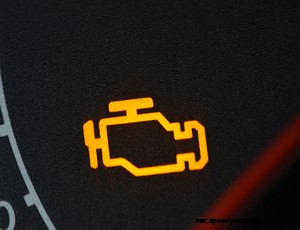
The key with any car trouble is to pay attention when dashboard warning lights illuminate. Warning lights each correspond with different systems of your car, so if you see one come on, pull out your owner’s manual and check what it might indicate. There can also be a lot of crossover with attributing a warning light with a specific cause, so a mechanic should run diagnostics and carry out an inspection, no matter which warning light you see.
While it may be tempting to act like that Check Engine light isn’t actually illuminated and carry on like normal, it’s a risky game to play. Your Check Engine light can mean a number of problems with your car, including transmission problems. Have a trusted mechanic run diagnostics to be sure any related auto repairs are taken care of.