
While your car battery is relatively inexpensive and perhaps the least complicated component in your vehicle, it offers a vital service. When your battery dies, your vehicle will be unable to move, and you’ll be grounded. Therefore, scheduling a routine car battery service as a preventive measure or maintaining it could save you a lot of trouble.
When your car is running, the battery continuously charges through the alternator. When it is idle for days, it slowly loses power going beyond the minimum level required to crank the engine. Over its lifespan, the battery undergoes temperature fluctuations. The heat produced during engine operation deteriorates your battery’s power capacity. It’s also important to note that, in cold weather, car batteries can last up to six years compared to hot weather regions where their lifespan reduces by close to three years. 
Most vehicles use a 12-volt battery that lasts up to 5 years. Knowing how old your battery is, helps you figure out how soon you need to have it repaired. It is, therefore, essential to keep a record of your car repair or car battery repair service. If you are unsure of the date, pop up your hood and check for a simple circular sticker on the battery for month and year of the sale, for example, 24/5. 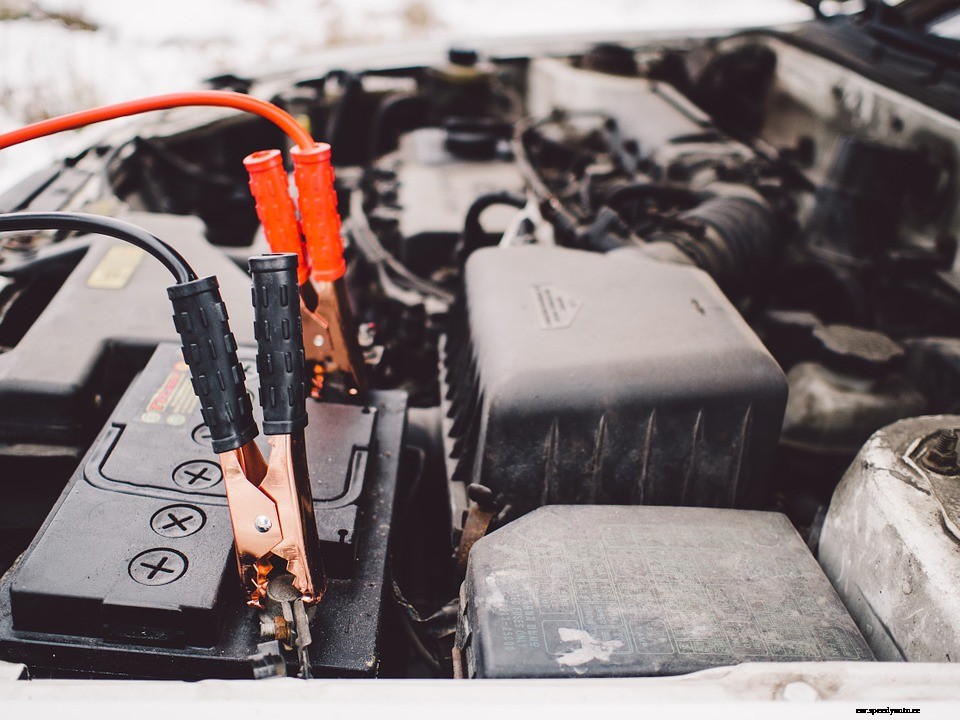
It’s hard to notice when you turn on your car and your engine cranks slowly. In most cases, this is a sign of a faulty battery. Another common symptom of a dying battery is turning on your headlights when your car is not running; if they are dim, your car battery could be on its way out. In some rare cases, the battery will not show any signs, but your vehicle will suddenly be unable to turn. After a jump start, it might work correctly but fail again shortly. When this happens, contact your local AAMCO Louisville mechanic for a battery replacement service.
If your vehicle has a lead battery, it will likely lose charge when the car is left idle or uncharged. A rule of thumb is to check your car battery voltage regularly or during regular car maintenance. A standard working battery needs to have a minimum of 12.7 volts. When your battery voltage drops below 12.5 volts, it is recommended that you charge it.
Regularly perform a visual check under your hood and look for corrosion around the battery terminals. If you can spot white chalky substances, you need to have them removed or cleaned since they can affect regular electric conduction. If possible, clean the terminals with a wire brush and coat it with grease to prevent corrosion.
Extreme heat harms your battery; it severely affects its lifespan and makes the fluid in your battery evaporate. This problem is possible even with the new service-free or sealed batteries. Therefore, to protect your car battery from excessive heat, park it under a shade during summer. Also, proper car maintenance will prevent overheating of your engine, which presents extreme heat conditions under the hood.
