
Do you want to customise your car? Maybe you’re worried a respray would be too expensive? If you want to put a unique stamp on your vehicle, car wrapping could be the way to go.
In this post, we’re taking a look at car wrapping, showing you what it is, how it works and the different options available. We’ll also weigh up the pros and cons of wrapping your car, so you can decide if it’s right for you, and take a look at some of the best and worst car wraps out there!
Car wrapping is when you cover a car, either fully or partially, in a special vinyl film. It’s designed to help people change the look of their car without having to pay through the nose for a full respray.
With vinyl wrapping, you can change how your car looks, either with a new colour, new design or a new texture, like matt or gloss. In fact, as wrapping has become more popular, there are now a huge range of options to choose from, allowing you to put a unique stamp on your car.
The great thing about car wrapping is that a lot of the colours, textures and designs couldn’t be replicated with a traditional respray. Or they could, but at an eye-watering cost beyond the reach of the average car owner.
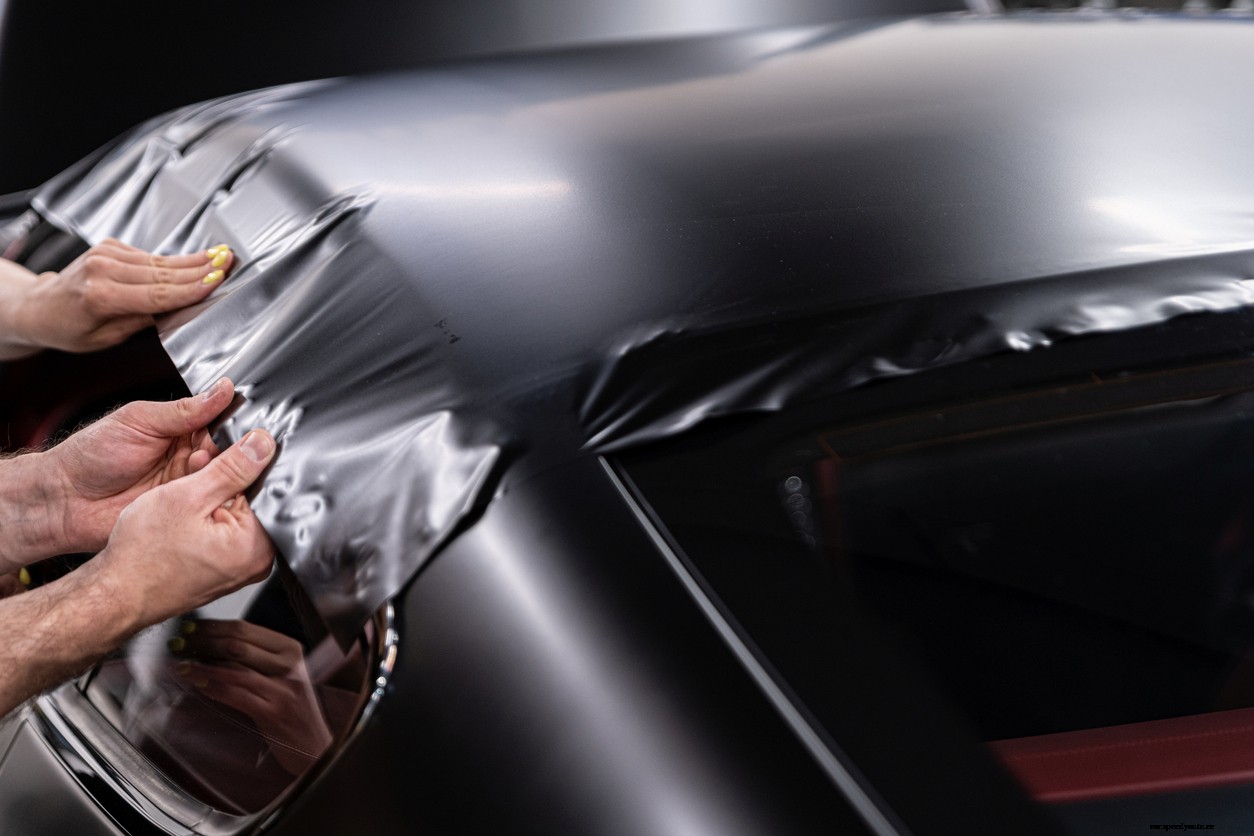
Car wrapping can be a tricky and fiddly job, so it’s best left to the pros. While you can order car wraps online, be aware that they can look awful if they’re not fitted properly, so you may want to pay extra to have a professional do the hard work for you.
So, how do car wraps work?
It’s pretty simple. First, you choose the colour, design, texture and style of wrap that you want, and whether you want a full or partial wrap.
A full wrap is applied to the entire car, covering every inch of paintwork to give it a completely new look. A partial wrap is designed to cover one or more panels, like the roof or the bonnet, leaving most of the original paintwork on show.
Next, super-accurate measurements are taken of your car, so that the wraps can be made to the exact spec of your make and model. Some car wrap suppliers base measurements on your reg number only, but we think it’s worth double-checking the measurements, as sizes differ from one model to the next.
When you’ve chosen your wrap, the manufacturer will print it before laminating it. A special coating is used to maximise scratch and UV protection, ensuring that your car’s bodywork is protected and that the wrap doesn’t start to fade when exposed to the elements.
From there, it’s a case of applying the wrap to your car. As mentioned, you can do this yourself, but a professional will have the tools and expertise to do a much better job.
When applying a car wrap, the first step is to prepare the paintwork. The car should be thoroughly cleaned and dried before application. Then, the surface is sprayed with water and a special solvent, ready for the wrap.
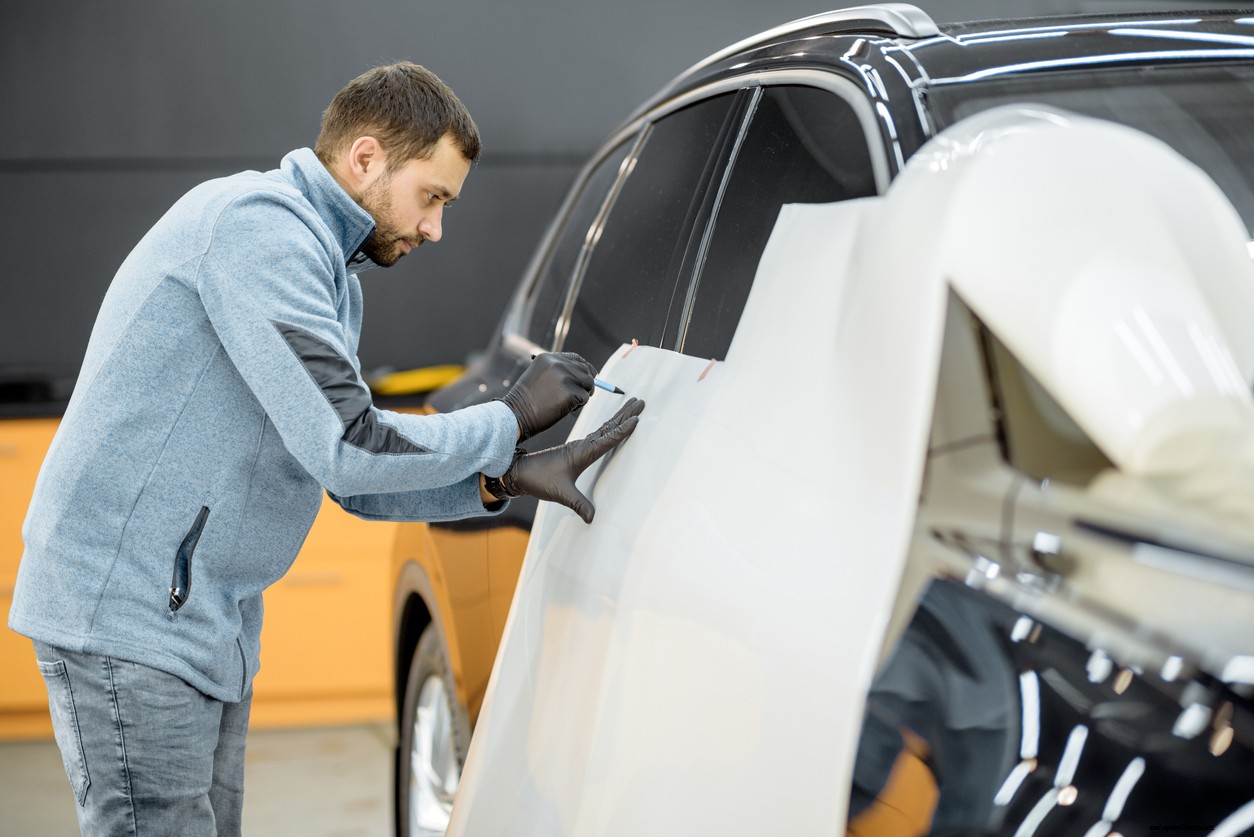
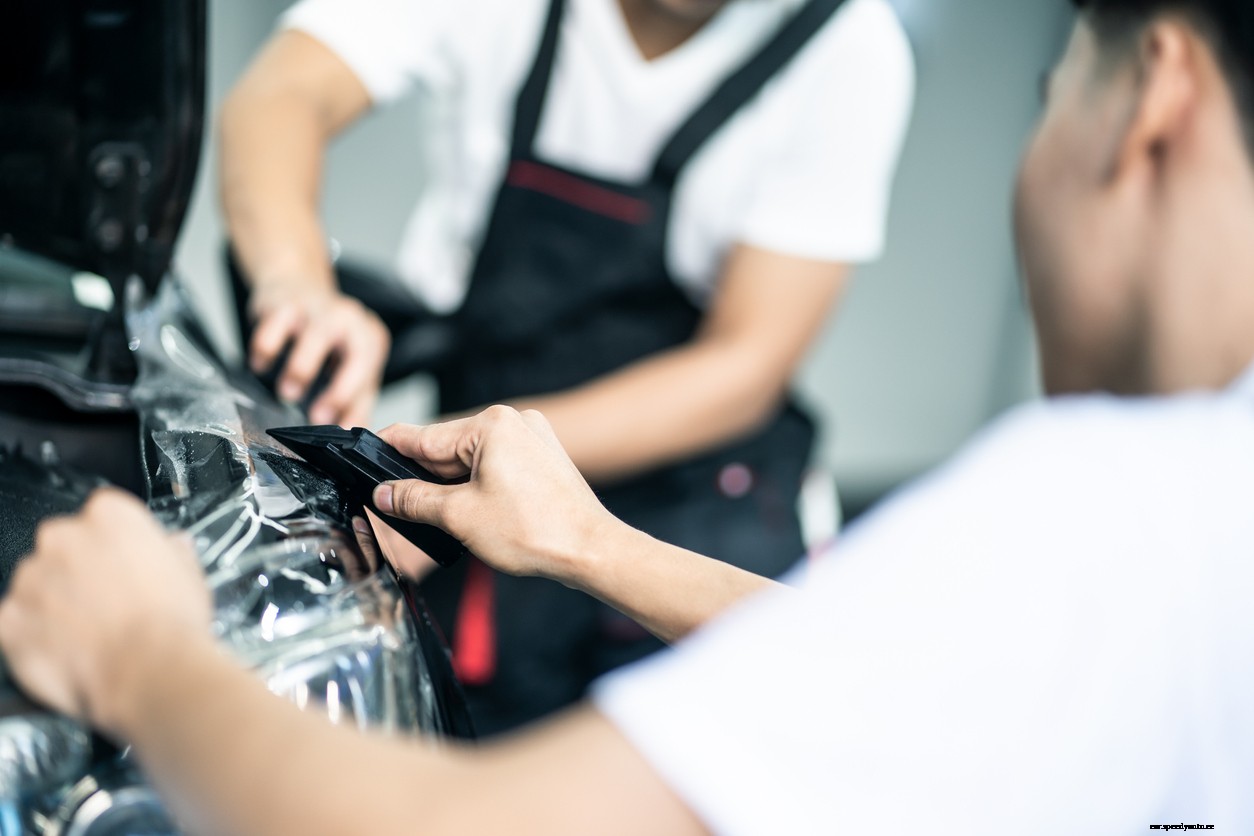
This is where things get fiddly. The backing from the wrap is removed, revealing the adhesive side, and a second application fluid applied to the vinyl. Then it’s just a case of aligning the wrap with the right panel and pressing it into place, using a rubber-edged plastic blade to smooth it out and remove air bubbles.
Fancy giving car wrapping a go? Here are some tips that could help:
So, should you wrap your car? It depends what you’re looking for and how much of a stamp you want to put on your vehicle. Here are some of the pros and cons to consider.
There are four main types of car wrapping:
Struggling to picture what a car wrap looks like in reality? We’ve scoured the internet to find some of the best and worst examples of car wrapping, so you can see what works and what doesn’t when it comes to personalising your car.
From boring black to statement purple, this is a great example of how you can completely transform the colour of a car with a full-body wrap. It also illustrates the painstaking work involved, giving you an idea of the complete process.
While chrome car wraps aren’t for everyone, if you’re lucky enough to own a Lamborghini Aventador, we say, why not? From the colour to the finish, this wrap adds some serious impact, making the overall car a real head-turner.
As we mentioned above, there really are limitless options when it comes to wrapping a car, with thousands of colours, finishes and textures to choose from. Here’s an example of a truly unique wrap finish, with the owner wrapping their Dodge Charger in you-can’t-miss-it orange, glow-in-the-dark vinyl.
It’s hard not to feel for this unlucky car owner. After trusting in a ‘professional’ to apply a partial wrap to his Subaru WRX, the results were far from perfect, with bubbles, scratches and damage all over the car. Lesson? Do lots of research before trusting your pride and joy to a customisation specialist.
More proof that you need to be careful about who you trust car wrapping to; this video of a bodged Bentley car wrap left us wincing. As the presenter rightly says “it’s not that easy to wrap a car”, so make sure you’ve weighed up the pros and cons before you commit.
Another unfortunate Subaru driver; this bad car wrap shows that the minor details and finishing touches really do matter when it comes to wrapping a car. Knife marks, bubbles and bad cuts make this one of the worst car wraps on the web.
We hope this quick course in car wrapping helps you decide if it’s right for your car. Wrapped or not, the Simoniz car care range can help you look after your vehicle inside and out. For more information and our complete product range, visit the homepage.
