
The blower motor resistor is an important component of the heating and cooling system of your car. As you turn on the heater or the AC, the fan starts and air will start to get out of the vents. This fan will run because of the blower motor resistor. Therefore, when the latter is damaged, expect that you will experience discomfort in your car.
It is inevitable that this part will experience a serious problem and will ask for a replacement. If you do not know how to do this, keep on reading the rest of this post and we will let you know how to replace a blower motor resistor. You will realize that it is actually an easy task that can be accomplished even without being a trained mechanic.
How to Replace a Blower Motor Resistor: A Short Guide for Beginners What You Will Need to Follow this TutorialStep-by-Step Guide on How to Replace a Blower Motor Resistor1. Locate the Blower Motor Resistor2. Take out the Blower Motor Resistor3. Disconnect the Wires4. Install the New Blower Resistor5. Wire the PigtailPro TipsKnowing If It is BadTips for Replacing a Blower Motor ResistorConclusionFirst, gather the tools and materials that will be needed for the replacement of the blower motor resistor, which will include the following:
Here are the simple steps that you have to follow for the easy replacement of a blower motor resistor:
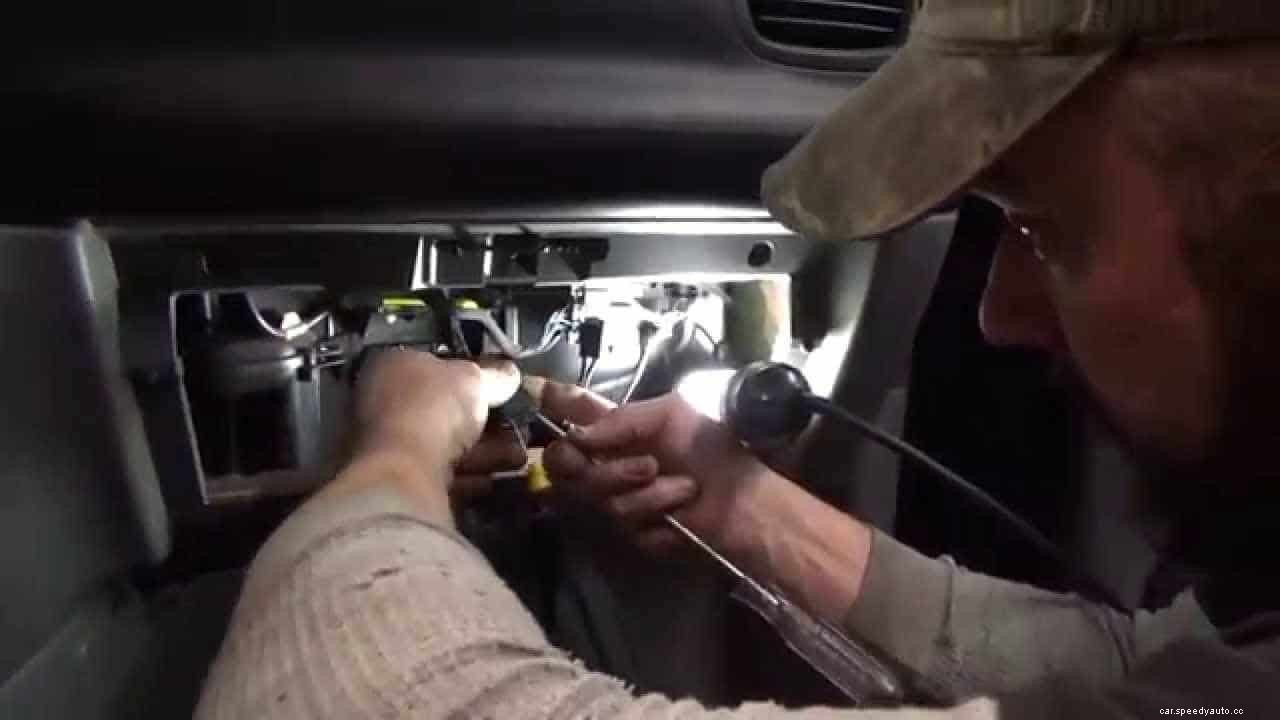
Via: https://www.youtube.com/watch?v=rDGWQ4m-sdU
Obviously, the first thing that you have to do is to determine the location of the blower motor resistor so that you know which component will be removed. It is located right next to the blower motor. The latter, on the other hand, can be commonly found underneath the dash on the passenger side or in the engine compartment.
Now that you know the location of the blower motor resistor, remove it. You will need to first remove the components around the blower motor resistor, which include the pigtail connected to the AC and the blower motor cooling duct. At this point, you can now have easy access to the blower motor resistor.
Now, all that you have to do is to unscrew the bolts that secure the blower motor resistor in place. Use a ratchet with a short extension. Once the bolts are out, all that you have to do is to pull the blower motor resistor.
After pulling the blower motor resistor, you have to cut off the wires that are connected to the component. Cut the wires using the stripper or scissors that are made specifically to cut through wires.
Before you proceed with the installation, apply dielectric grease to the housing of the blower motor resistor. This will prevent water from getting inside, which is a common problem when you are off-road driving. Apply coating around the plastic, which will provide a sort of sealing to protect the component.
Place the blower motor resistor on the exact same place where it has been earlier removed. Use new screws to have it secured in its position. Connect the pigtail and at this point you are done with the job. However, there are also some instances wherein the pigtail has already worn out. If this is the case, proceed to the next step.
Cut down the old wires and connect the new ones. This should be easy as the wires are probably color-coded. Use the connectors to connect the new wires. Put the pigtail in its original position, and at this point you are already done with the task.
To make the steps mentioned above clearer, refer to the short video that is shown below:
Aside from knowing the steps that are involved, you also need to keep in mind the tips that will be briefly mentioned in this section.
How would you know if the blower motor resistor is asking for a replacement? This is not one thing that can be answered with a simple guesswork. There are signs and symptoms that you should watch out for, including the following:
From the steps and tips mentioned above on how to replace a blower motor resistor, it is apparent that the task is pretty much straightforward. You will need basic tools to complete the task. There is no need for extensive technical knowledge or a lot of time and effort to spare. You do not have to call a trained mechanic to do the removal and replacement for you.
