
The blower motor resistor is an electrical component that controls the fan speed of the blower by sending an alternating current from the fan speed control switch on your dashboard to the blower motor fan located in the HVAC housing. Knowing how to replace a blower motor resistor isn’t difficult since the resistor is generally found in close proximity to the air cabin filter and blower motor.
The blower motor is what sends air through the vents of your HVAC system whether it’s for the heat or air conditioning. The HVAC housing of most modern vehicles is located inside the vehicle behind the passenger side of the dashboard. This repair was performed on a 2010 Toyota Tacoma, but the exact location of your blower motor resistor could vary.
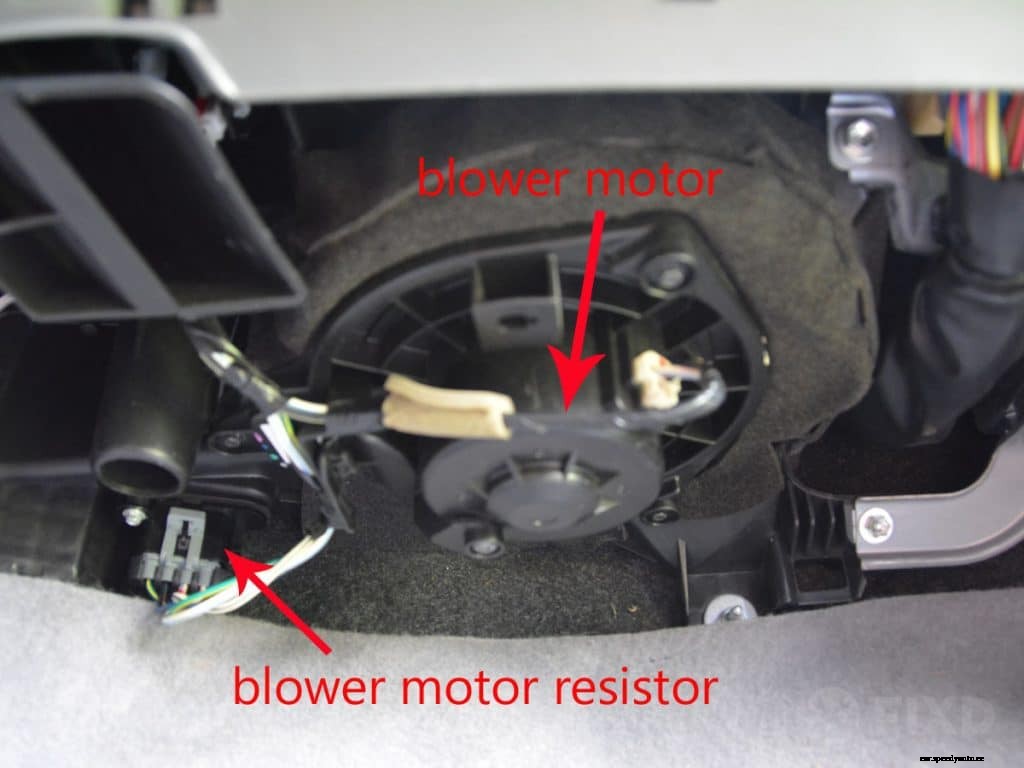
The average cost to replace the blower motor resistor at a repair shop is between $44 and $55 in parts and $70 in labor costs, for a total cost of around $114 to $125.
On the other hand, you can easily fix the blower motor resistor at home in about an hour (even if you’re a beginner) and for around $70.
If the blower motor isn’t working at all, you should first double check any applicable fuses or relays under the hood or in the cabin. There is still a chance that the blower motor control could be faulty, but if the control knob feels good and all the fuses and relays are good, chances are you need to replace the blower motor resistor. The most common symptom of a faulty resistor is that the blower motor only works on one speed with the HVAC controls and it’s inoperative on all other speeds.
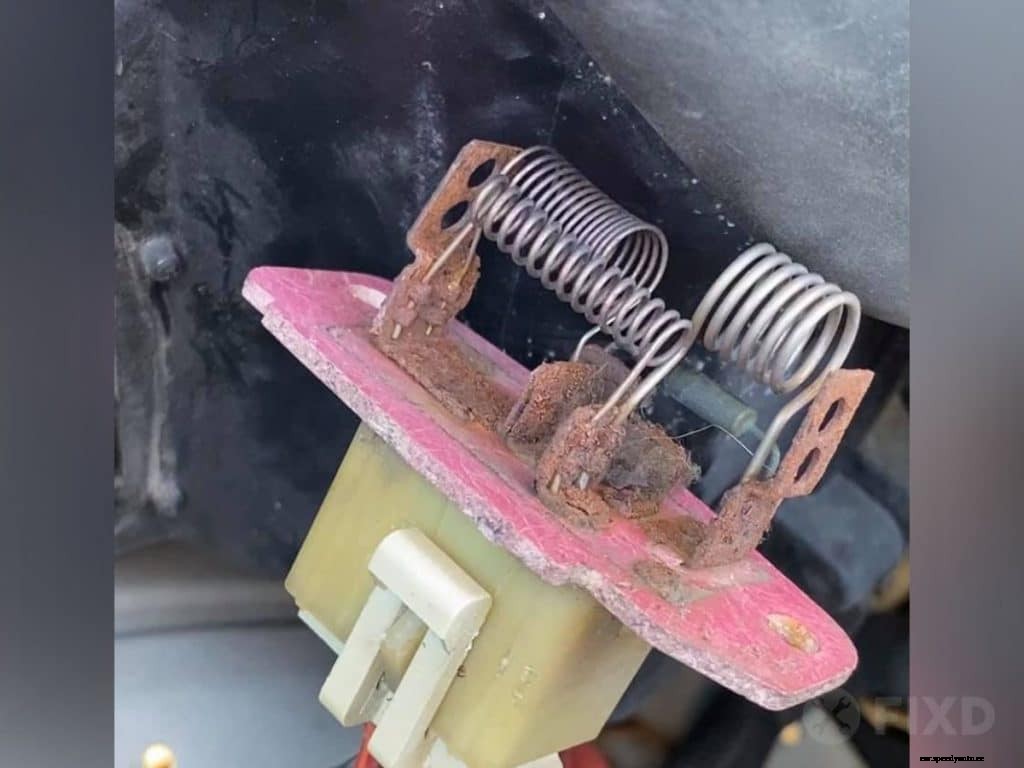
Upon removal of the blower motor resistor, a quick visual inspection can sometimes verify that the part is faulty as it will have a dark spot (resembling a burn) on the resistor. This visual damage isn’t always present, though, as we found out during this repair on a 2010 Tacoma.
While you’re under the dash working around the HVAC housing, here are some related items that you should perform for preventative maintenance or to prevent the need for future issues with your HVAC system.
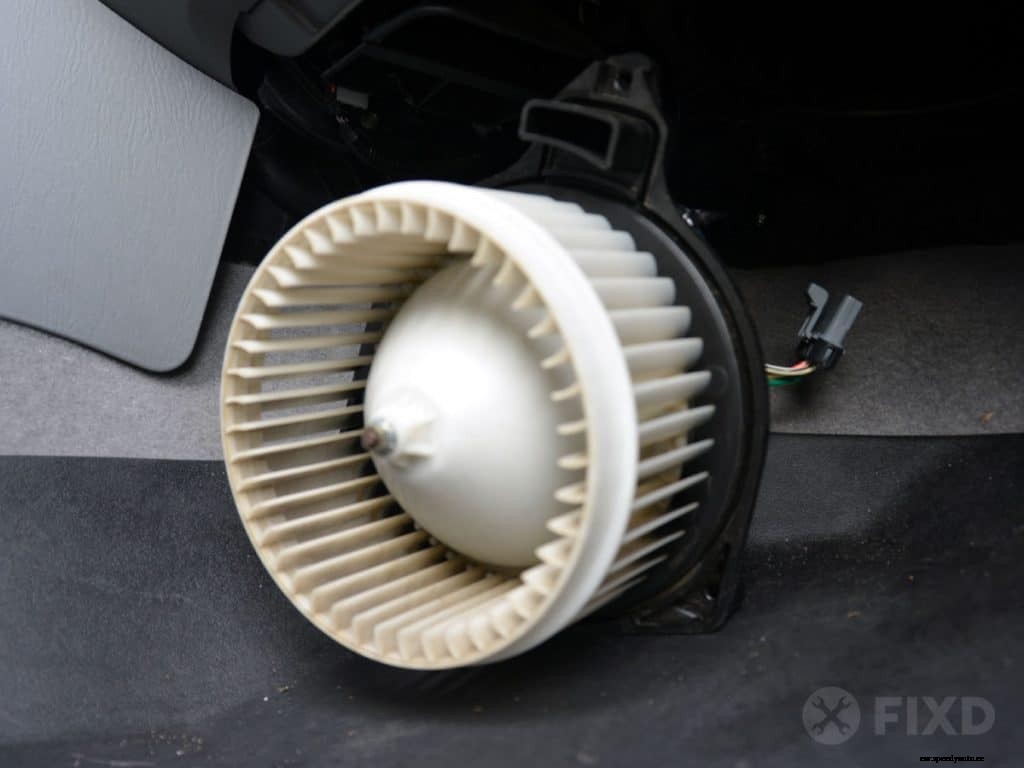
The blower motor resistor is usually extremely easy to access, but the hard part can be positioning your body inside the car to remove the part. The resistor is at the bottom of the HVAC housing or just behind the glove compartment.
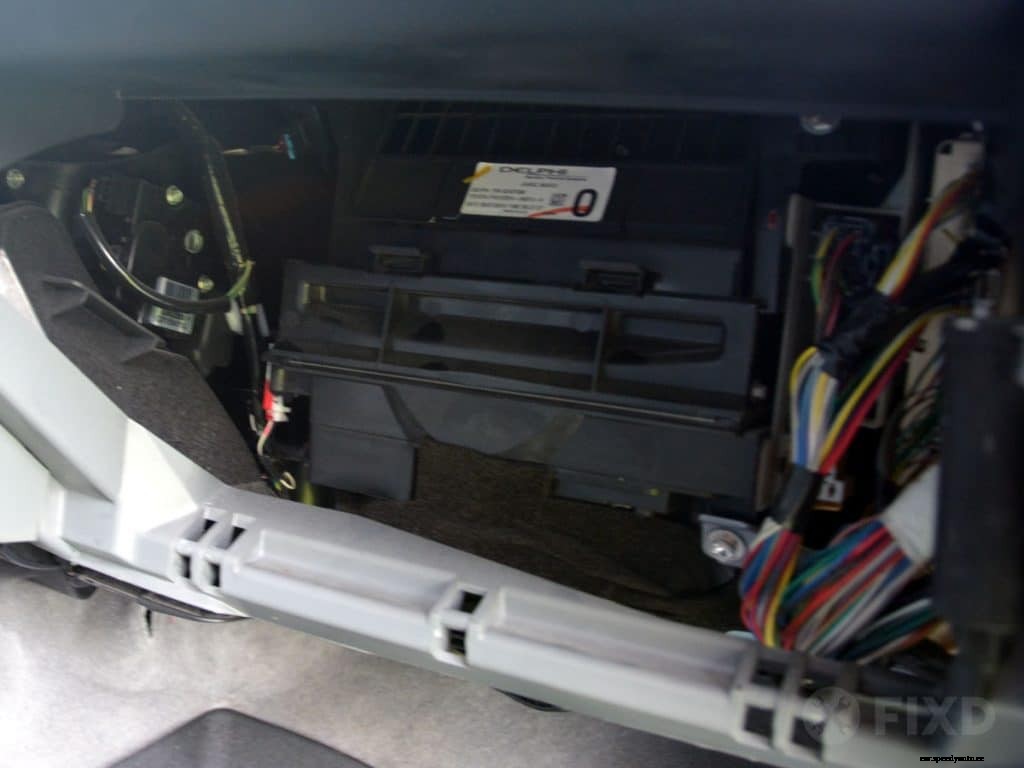
Removal of the glove compartment usually doesn’t require any tools as you can just push in on the sides and lower the door away from the dashboard. Some vehicles might require tools to remove this part, while others, like this 2010 Tacoma, don’t require the glove compartment to be removed at all in order to gain access to the blower motor resistor.
Depending on the location of the blower motor resistor, it is sometimes easier to remove the harness first. On other cars, it’s easier to remove the resistor from the housing and then disconnect the harness.
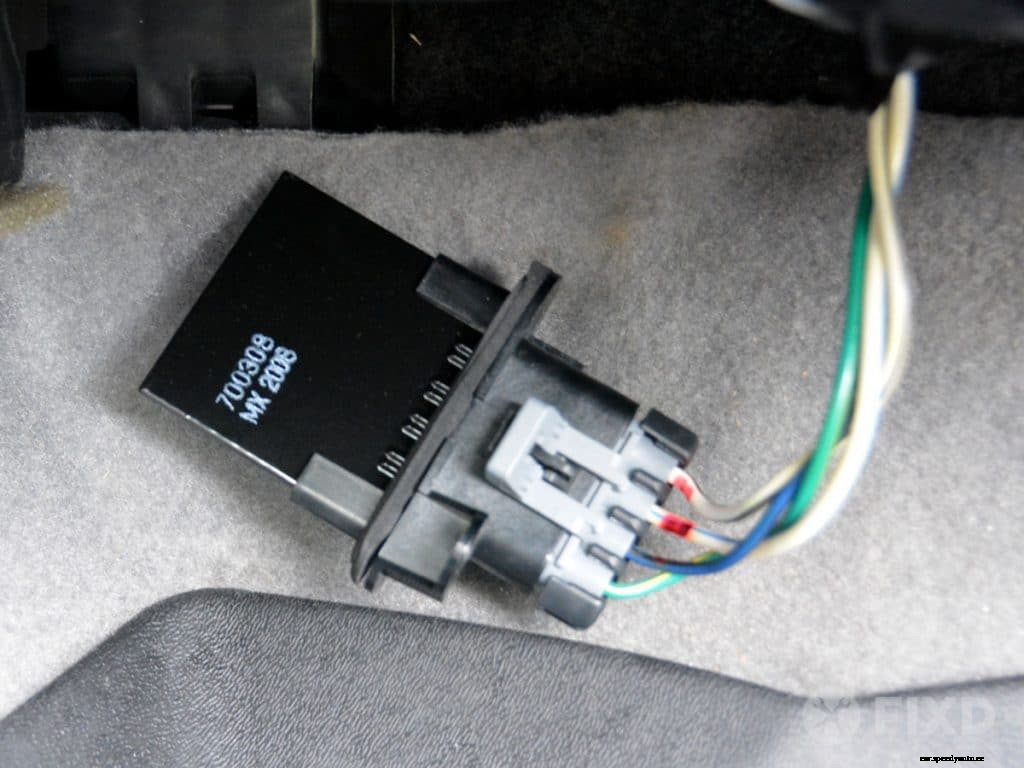
Once the screws have been removed and the wiring harness has been disconnected, the blower motor resistor just slides right out of the HVAC housing. If the new resistor comes with a rubber or foam gasket material around the outside edge, then be sure to remove the old gasket as well. It’s possible that some resistors do not have any type of gasket.
Before completing the full installation of a new blower motor resistor, you can check the proper operation by loosely fitting the new resistor in place and checking to verify that all blower motor fan speeds operate as designed.
Once you’ve confirmed that the blower motor is functioning properly, it’s time to tighten the screws and reattach the wiring harness in reverse order that you removed them in Step 2.
If it was necessary to remove the glove box to access the blower motor resistor, the final step in this DIY repair will be reinstalling this door.
With summer heat in full effect, don’t sweat an inoperable blower motor! Follow these easy steps for how to replace a blower motor, and have your car’s HVAC system working as designed to keep you comfortable while driving year round. To keep your car running as smoothly as possible, don’t forget to plug in the FIXD Sensor and app to monitor car health in real time, diagnose the check engine light, and get maintenance alerts to your phone.
