
There could be several reasons why your car is experiencing transmission shifting problems. Your vehicle might be shifting poorly because of low or dark transmission fluid, you can hear loud grinding noises, your car is not shifting from one to another gear, or your car jerks while you are changing gears. Whatever the reason may be, we are here to help you.
In this post, we are going to teach you how to fix these problems. Not only that, we have also rounded up all the materials you will need for you to be able to do this task properly. To add, we have some tips so you can do this job right the first time. By the end of this article, you might realize that you no longer should go to a repair shop anymore, as you can do this by yourself.
How to Fix Transmission Shifting Problems in your Car: Learn to Fix it on your Own What You Will Need to Follow This TutorialStep-by-Step Guide on How to Fix Transmission Shifting Problems in your Car1. Check the fluid2. Drain the transmission fluid into a drain pan3. Remove the whole pan4. Check the transmission fluid in the drain pan5. Replace the filter6. Fill the transmission with the correct fluidPro TipsConclusionBefore we start this tutorial, you must gather all the materials that you will need to fix the transmission shifting problems in your vehicle, which includes the following:
You might notice that in your dashboard, the check engine light is on. It could be because the shifting has reached its maximum adaptation and has now surpassed it, which is why it is shifting too late and poorly, for that matter. Here’s how to fix this problem:
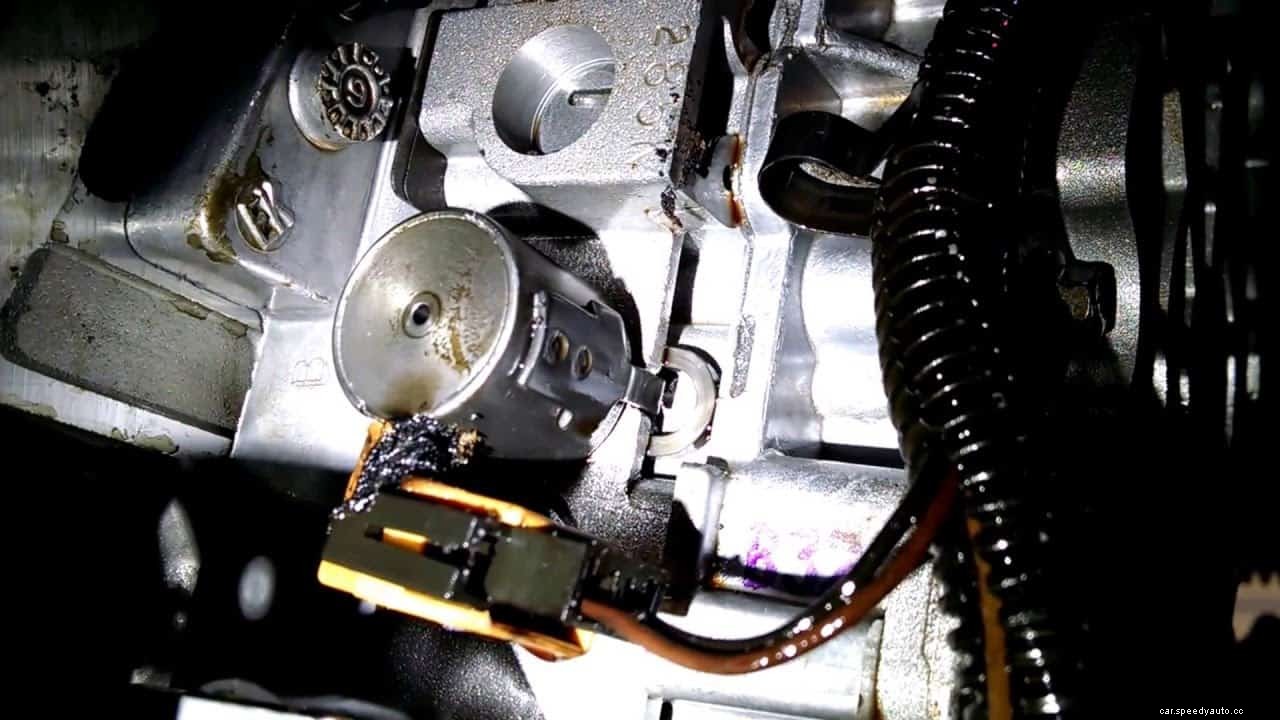
Via: https://www.youtube.com/watch?v=0Gyjb7kj0S4
The first thing that you need to do is to check the fluid. To do that, pull off the dipstick. When you see that it has gone black instead of red, it should mean that it is now dirty and you need to replace the filter and the transmission fluid. A lot of times this method will fix the transmission problems in your car.
To do the next step, you must get under your car and prepare the transmission drain pan. Just remember to be very careful when crawling under, as your head or other limbs might catch into something sharp. Now, you may take the bolts off.
Here’s a tip: some vehicles don’t use drains plugs anymore. So, if your vehicle does not have plugs in it, you can just jack at an angle wherein the fluid will flow on a lower end. Remove the bolts and the transmission fluid starts to drip off. The fluid should go into your container instead of all over the place, making it very difficult to clean up afterwards.
You might want to wait before the transmissions fluid drips out fully before taking out another bolt. Doing so will prevent you from getting all full of fluid.
Once you have unscrewed the very last bolt, the whole pan comes right off. You need to tilt it to drain it. Other models’ filters just snap out of place, where you can find a hole that has a bushing that pops out.
When you have successfully drained out the transmission fluid, check if there are any metal pieces. If there are not, this may be a good sign. However, you might want to also check the magnet, where you may see a lot of blackened dirt. Since we do not really see what’s going in there, changing the transmission fluid might just be the solution we are looking for.
Now, let’s hope that it is indeed the dirt that is making your vehicle shift very poorly. It would be bad, however, if you see any metal filings in the fluid, as it would mean that there is something wrong and worn inside the transmission.
The filter will snap right back into the hole and with a gasket, you just need to tap it and it snaps right back in. Obviously, you need to clean the inside of the pan and put a new gasket on it before you put the pan back in. You may now put the bolt back by tightening it all the way around. You may also use a ratchet to get them sealed; thus, preventing leaks.
You may now fill the transmission with the right fluid, which you can refer to your owner’s manual to check the compatibility. Before you drive off, you might want to get down under again to check if there is still leaking. If there is none, you can now take your car for a drive and you will notice that it can now shift properly.
If you want to check a video on how to do this job right, click the video link below:
Fixing your vehicle’s transmission shifting problems has never been this easy. It is a relief that you no longer need to pay dollars to have your car tested by a mechanic, as you can do it on your own. With this guide, we are confident that you will be able to do this correctly. You just need to follow this guide and prepare all the necessary equipment.
