
In reality, a working brake pedal will feel firm under your foot when you press it. The term mushy or spongy brakes indicates the condition when the brake pedal loses that firmness and the brakes don’t feel stable.
Such a soft brake pedal problem can occur due to various reasons such as air in the line, holes in the brake lines or worn calipers. If the brakes feel spongy, you should immediately have the car’s braking system diagnosed and take necessary actions because it creates a potentially unsafe condition when you are driving.
There could be many reasons for squishy brakes. Learn what causes spongy brakes and how we can help solve it.
Rust from road salt and moisture can corrode a brake and create holes causing the internal fluid to leak out of the line. If such a thing happens, the fluid level will get lower, resulting in a loss of the hydraulic pressure. If your brakes feel soft, check the lines and replace them as soon as possible if you find any leak which usually leads to spongy brakes. In case you find a leak, you should replace the brake line as soon as possible.
SEE MORE:
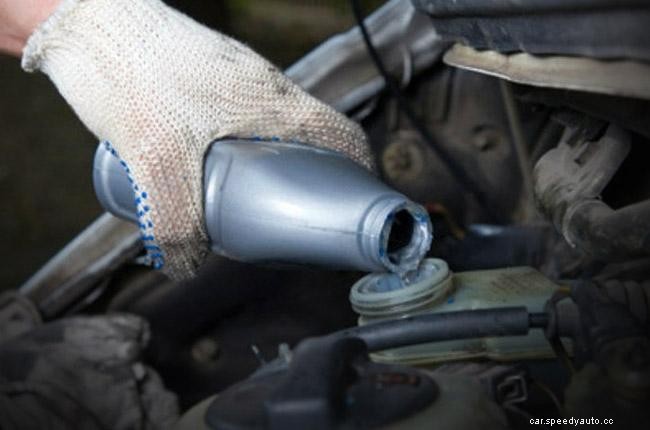
If the level of the brake fluid is low or drained up, it can make the spongy brakes. Open your car’s hood and remove the cap from the brake’s master cylinder. Now, check the fluid level. If the level is low, refill and recheck brakes.
It’s the most common spongy brakes cause. To bring vehicles to a halt, braking systems depend on evenly distributed hydraulic pressure. The brake lines of the car should have only the brake fluid. However, because the air gets into the lines, it hampers the flow of the liquid, which can cause mushy brakes. Bleeding the brakes is the only solution to get rid if that air.
Just like the brake lines, the disc brake calipers can also collect rust and get corroded. The brake fluid can leak through the damaged spots, causing the loss of hydraulic pressure. If your brakes are feeling soft lately, you should check the calipers.
Any problem in the wheel cylinder should be given utmost importance because it may require you to change some brake components. A bad wheel cylinder is another cause of soft brake pedal. Rust can corrode it and create holes for brake fluid to come out. As you have already known, the loss of brake fluid results in the loss of hydraulic pressure, which in turn, causes the spongy brake problem.
The rear shoes are not being adjusted as they wear if the pumping the brake pedal in your vehicle improves the brake pedal. Shoes should be checked for wear and adjusted as needed. It is advisable that you should use the parking brake occasionally. The engagement of parking brake leads to an automatic adjustment of the brake shoes.
Remove the front and rear wheels to inspect if there’s excessive wear on the brake pads. The sad news is, brake pads are the car parts that responsible for the whole braking system. It helps the car to stop instantly while you press the brakes. For that reason, it is necessary to replace them if they look extremely worn out for your own safety.
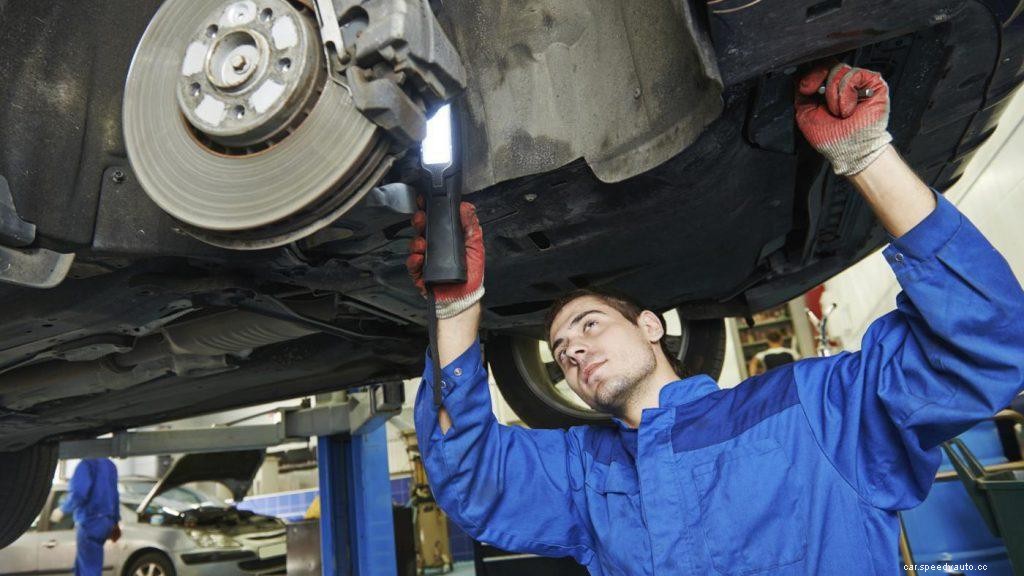
If you experience a squishy brake, it is recommended that you should let your car inspected by the mechanic as soon as possible. In other case, you can apply these tips for addressing a spongy brake as safely as possible.
Because a loss of brake pressure or other mentioned causes drive the brake being spongy, your first reaction should be to rapidly and constantly pump the brake pedal with your foot. Even if there is a defect in your braking system, this can usually generate enough pressure to stop safety on the side of the road. Additionally, check out all maintenance tips from our experts for more information on dealing with soft brakes and routine maintenance and repairs.
Check signs of leaking fluid in the area behind each of your car’s wheels. Also, you should look under your hood to see if your master cylinder is leaking or damp. Then, check the master cylinder to see if it’s filled up to the indicator line on the side of the reservoir. It the fluid is low, try adding some and pumping the pedal to regain pressure in the system. It goes without saying that any leaking brake fluid represents a problem that you should send your vehicle for repair.
Another method is bleeding you brakes to remove excess air that might have entered into the system. If you have overheated your brakes during spirited driving or towing, the fluid can boil and create gas that will make your pedal feel spongy which is because gas is compressed, unlike fluid. Each of your brake calipers or brake drum wheel cylinders will have a bleeding screw that will allow you to force air out of the lines using the brake pedal and the proper bleeding procedure for your vehicle. You can see this video to know more about how to fix soft brake pedal by bleeding system.
>> Find a second-hand car from Japan at best deal here <<
Any problem with the brakes can cause minor to major accidents on the road. So, if you feel your brakes are not as firm as they should be, check the brake system immediately to find out the source of the problem.
