
Fuel stabilizers are an essential part of any vehicle owner’s maintenance routine. The product extends the life of fuel and helps to prevent clogs and engine issues. It also keeps gasoline from deteriorating as quickly as it normally would in storage or during transit. If you are a car owner, you should know about this engine treatment and how to use it correctly.
Let’s explore why cars need a fuel stabilizer and what steps you can take to successfully treat your gas tank with this important additive.
Fuel stabilizers are designed to keep gasoline fresh and stable by removing water from the gas tank. This is critical because water can cause rusting of metal parts in the engine, which leads to corrosion and decreased performance.
A good-quality stabilizer prevents fuel deterioration over long-term inactivity. It also stops gumming of carburetors and fuel injectors. It happens due to the accumulation of ethanol-water emulsions during periods without use, such as seasonal storage.
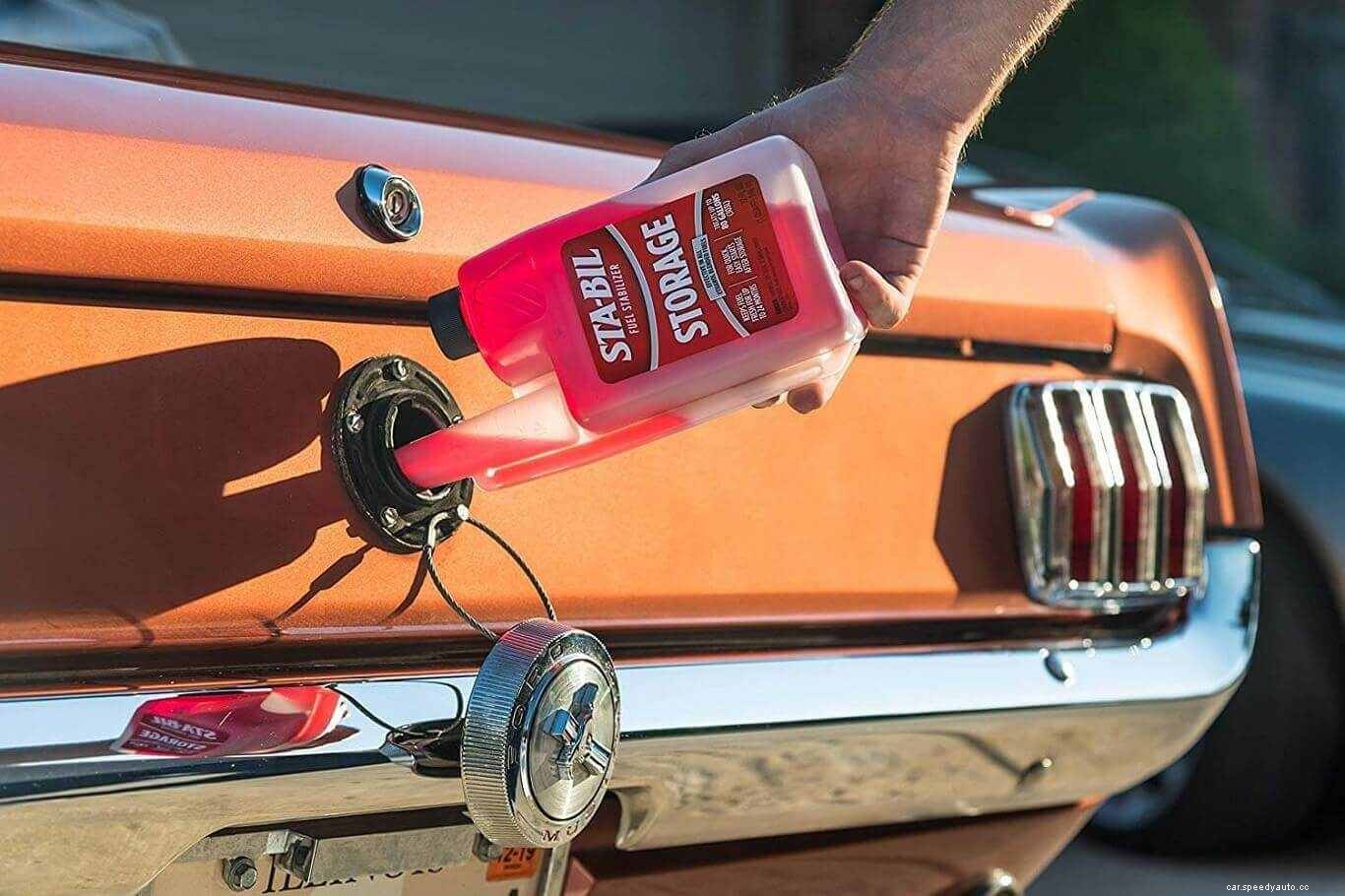
However, the perks of the stabilizer do not stop there. It can seal off small leaks in tanks and work against condensation formation. The biggest advantage of using this additive is minimizing the harmful effects of low temperatures on gasoline. This feature alone is the reason enough to use a stabilizer as a winterizing agent.
Fuel stabilizers should be used anytime your car will not be driven for an extended period of time. Generally speaking, this means any time the car is going to stay in the garage for weeks, a fuel stabilizer should be part of the preparation for storing the vehicle.
If you want to make sure your gasoline is fresh and stable for the entire year, here’s how it should go down:
Treating your car’s fuel tank with a proper stabilizer is one of the best things to do if you want to make sure it will be in good shape for as long as possible. Just remember to follow the instructions carefully, use a high-quality stabilizer, and always top off your tank with fresh gasoline before storage. If you do all these things diligently, it will pay off in less money spent on maintenance during next year’s spring tune-up.
