
Driving in snow is no layman’s work! You ought to be a skilled driver who knows how to maneuver the slippery lands. The other thing that matters is whether your vehicle is an FWD, i.e., front-wheel drive, or an AWD, i.e., all-wheel drive. Before you choose your drive system, here’s a detailed analysis of FWD vs AWD in snow.
Front-wheel drive or FWD is a system where the engine’s power is concentrated on the front wheels. On the other hand, an AWD is a system where the engine’s power is concentrated on all the four wheels equally. The question here is, which one would perform better in snow? Let’s evaluate drive performance based on front wheel drive vs all wheel drive in snow.
To start your car in a puddle of snow is one of the most challenging tasks at hand. If the tires are depressed down in the snow, it will take a lot of efforts to pull down the stuck tires. It is an AWD or the all-wheel drive that could save the day. The only thing to keep in mind is the AWD should be supported by limited slip differential (diffs) and transfer case.
Comparing the success rate of an AWD, it promises to take you where you need to be 95 percent of times. The success rate becomes 100 percent with added snow 4X4 tires. The AWD vehicles that have been popular for snow driving are Chev Trailblazer or a Tahoe LTZ. This is just one facet of FWD vs AWD in snow. Let’s see how FWD helps in the harsh winters.
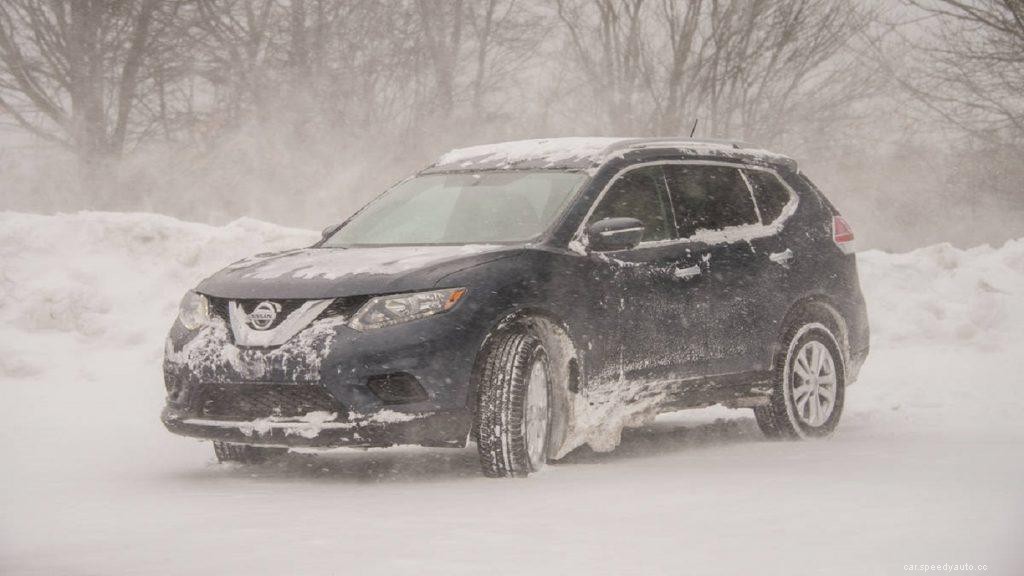
SEE MORE:
If you have a FWD vehicle to drive your way through the snow, you will surely have an advantage of shorter brake distance. Moreover, almost all passenger vehicles on the road are front-wheel drive. If you wish to make your FWD a fairly suitable vehicle in the snow, make sure you have snow tires.
FWD also offers better traction when climbing up a hill. This is due to the engine’s weight being concentrated on the front wheels. The added advantage of driving an FWD reflects in the low cost of snow tires. When you have to choose FWD or AWD for snow though, the latter is the best with snow tires. You can also go through our driving tips here for the right way to drive your RWD in snow.
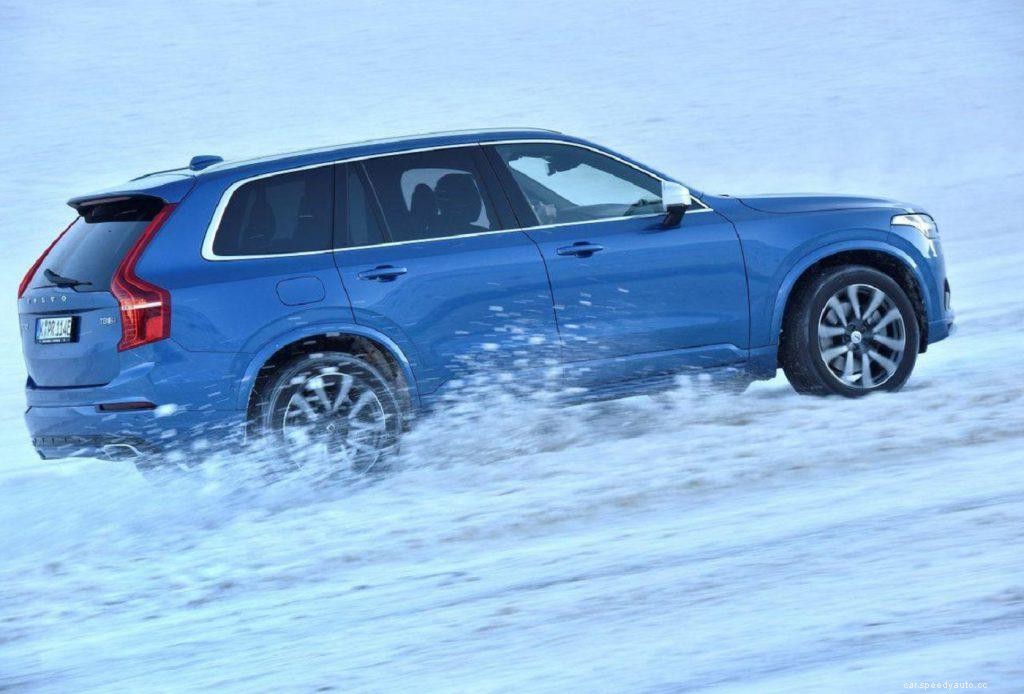
Here’s a comparison chart for your better understanding:
Parameter
All-Wheel Drive System
Front-Wheel Drive System
Definition
Power is distributed equally in the front and rear wheels
Power is only concentrated on the front wheels
Good For
Seamless traction on slippery surfaces
No driver involvement required for engaging
Good traction
Cheaper than AWD
Bad For
Problem while braking or cornering in snow
Poor towing capability
Low fuel economy
Not suitable for heavy snow
What Works
Best: AWD with winter tires
Better: FWD with winter tires
What Does Not Work
OK: AWD with summer tires
Poor: FWD with summer tires
>> We have used Japanese cars that excel at snow handling, click here!!! <<
This is all about FWD vs AWD in snow! Always remember, no matter what drive system you choose whether it is AWD or FWD, snow tires are a must. If looking for a reliable drive experience in the snow season, relying on AWD with snow tires would be an all-time best. Your safety is a priority; make sure you get back home where your loved ones wait for you eagerly!
