
Digital Vehicle Inspections (DVIs) provide a transparent, photo-documented overview of an automobile’s health. Unlike traditional paper inspections, DVIs use mobile technology to share real-time images and technician notes directly with vehicle owners. This process ensures clarity on necessary repairs, enhances maintenance tracking, and builds trust through visual evidence of a vehicle’s condition.
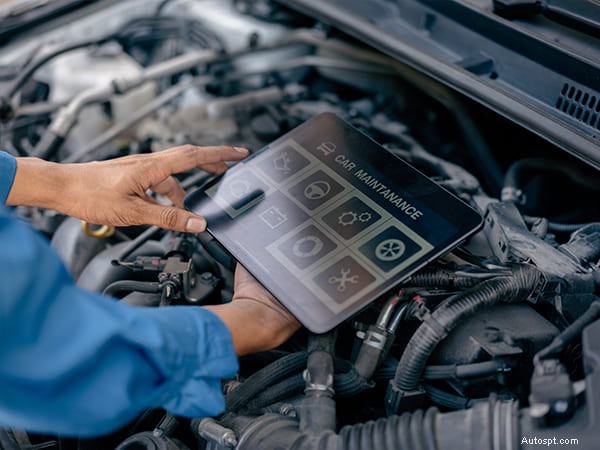
For decades, the “mechanic’s word” was the only thing a driver had to rely on. You would drop off your car at a shop in Allen, receive a phone call an hour later, and listen to a list of parts that allegedly needed replacing. It required a high level of blind faith.
Digital Vehicle Inspections (DVIs) have effectively removed that mystery. By using tablets and specialized software, technicians now perform a comprehensive walkthrough of your vehicle, capturing high-resolution photos and videos of exactly what they see. In a climate like North Texas, where heat and stop-and-go traffic on US-75 take a toll on vehicles, this level of transparency is becoming the new standard for responsible car ownership.
When you receive a DVI report, you aren’t just getting a receipt; you’re getting a visual health chart of your vehicle. Here is a breakdown of the specific samples and categories you should expect to see in a professional report.
Expect to see actual photos of your car’s components. If a technician says your engine air filter is clogged with North Texas dust, they will include a side-by-side photo of your current filter next to a brand-new one.
Most reports use a “traffic light” system to help you prioritize:
Instead of “your brakes are low,” expect to see a photo of a digital gauge showing the exact remaining thickness (e.g., 3mm). This allows you to track the wear rate between visits.
Expect photos of your vehicle’s vital fluids. For example, a technician might photograph your brake fluid next to a chemical test strip that reveals copper or moisture contamination, proving it’s time for a flush.
A DVI will often include photos of the “wear bars” on your tires or a screenshot from an alignment machine. This is crucial in Allen, where the heat can cause tire rubber to degrade faster than in cooler climates.
If your car has a “clunk” or a “squeal,” expect a short video clip. Seeing a pulley wobble or hearing a suspension bushing creak provides clarity that a static photo cannot.
Technicians often use voice-to-text to leave detailed, plain-English notes. You’ll see specific observations like, “Small oil leak starting at the valve cover; monitor for now, no immediate action needed.”
In Allen and the surrounding Collin County area, we see a specific pattern of wear that makes DVIs particularly valuable. The extreme summer temperatures often exceed 100°F, which causes rubber components—like belts, hoses, and wiper blades—to dry out and crack prematurely.
We recently had a client come in for a routine oil change. During the DVI, our technician photographed a “swelling” coolant hose—a classic victim of North Texas heat cycles. On paper, “swelling hose” might sound like an upsell. However, when the client saw the high-definition photo of the bulging rubber, they immediately understood the risk of a roadside breakdown. This proactive catch saved them from an overheated engine on a July afternoon.
“It’s just a way to find more things to fix.”
A DVI is about documentation, not solicitation. A digital record actually protects you. If a shop notes your brakes are at 6mm (Yellow) in January and 4mm in June, you have a documented wear rate. This helps you budget for future repairs rather than being surprised later.
“It takes too much time.”
Taking photos adds a few minutes to the inspection, but it saves time overall. There is no back-and-forth trying to describe a part over the phone. You see it, you understand it, and you can approve or decline work with a single tap.
If you are looking for a clear, visual understanding of your vehicle’s condition, the team at Craig’s Car Care is here to help. We believe an informed driver is a safer driver, and our digital inspection process is designed to give you total confidence on Texas roads. Reach out to us to see how a transparent, photo-based report can change the way you maintain your car.
No. Most modern shops in Allen include the DVI as part of their standard courtesy check. It is a communication tool, not an added premium.
Yes. Since the report is a web link, you can easily forward the text or email to a spouse or co-owner. This is helpful for families managing multiple vehicles.
Professional DVI software tags images with the vehicle’s VIN and a timestamp. Most reports also include a photo of your license plate and odometer for accuracy.
That is normal. The DVI is a starting point. You can call your service advisor, and they can walk through the report with you simultaneously, explaining the technical details.
The shift toward digital inspections is a commitment to transparency. By documenting the “why” behind every service recommendation, we move away from reactive repairs and toward proactive health management. Keeping your car in peak condition in the Allen area requires staying ahead of the heat and the miles—and there is no better way to do that than with a clear, visual roadmap of your car’s health.
About the Author
Craig Zale is the President and founder of Craig’s Car Care and has been serving the Allen area since 1996. As an ASE Master Technician (A1–A9 and G1) with decades of experience in diagnostics and shop management, Craig’s expertise ensures that all content reflects real-world automotive knowledge and a deep commitment to the local community.

Craig Zale is the President and founder of Craig’s Car Care in Allen, Texas, where he’s been leading the way since 1996. As an ASE Master Technician certified in all major areas (A1–A9 with G1), Craig doesn’t just run the shop—he lives and breathes the work. Before opening his doors, he built a strong foundation as both a technician and manager at service centers across Texas, gaining hands-on experience in diagnostics, complex repairs, and shop operations. Today, he uses that experience to guide a team committed to doing things right the first time and helping drivers feel confident every mile of the way.
