
Winter isn’t the only season with dangerous driving conditions. Driving in the rain is hazardous as well, particularly in the spring when showers are common.
Three-quarters of all weather-related crashes occur on wet pavement, according to the Federal Highway Administration, and nearly half happen during rainfall.
“A wet road is a treacherous road, even after a gentle sprinkle,” said Jillian Young, Director of Public Relations for AAA Northeast. “As little as 1/12 of an inch of water can cause new tires to lose traction with the road at speeds as low as 35 mph. When it rains, slow down and give yourself extra room to stop.”
Here is a closer look at driving in the rain and other spring-related driving challenges, with tips from AAA traffic safety experts on how to stay safe.
Hydroplaning – when a layer of water separates a vehicle’s tires from the ground and causes loss of traction, is one of the most dangerous situations caused by driving in the rain.
“When hydroplaning, you are literally riding on top of water without any control of your vehicle,” said AAA Car Doctor John Paul.
The first 10 minutes of a downpour present the highest risk for hydroplaning, which occurs when tires can’t displace enough water from their treads. Though it can happen with any tire and at any speed, it’s best to avoid driving on worn tires and to go slower in wet conditions to decrease your risk.
Follow these tips to avoid hydroplaning and maintain control of your car.
Potholes are another spring danger, the result of winter’s wrath on local roads. What’s worse, heavy rain can sometimes fill potholes, hiding them from view.
Striking potholes, even at low speeds, can be dangerous and expensive. A survey from AAA found that 1 in 10 drivers sustained vehicle damage significant enough to warrant a repair after hitting a pothole. With an average price tag of almost $600 per repair, damage caused by potholes cost drivers a staggering $26.5 billion.
“Snow, ice, sand and salt can leave roads in pretty bad shape, and the repeated freezing and thawing of moisture seeps through road surfaces and causes potholes,” said Barbara Ward, a traffic safety specialist with AAA Northeast. “Keep your eyes peeled for bad road conditions, but if you can’t avoid hitting a pothole, don’t brake during the pothole impact. Instead, apply the brakes just before hitting the pothole and release them just prior to impact. Less severe damage occurs when a tire is rolling than when it’s skidding over a hole during braking.”
The harder it’s raining, the harder it is to see lane markings, signage and other vehicles. The situation can be even worse for drivers who neglect basic car care.
Remember these maintenance tips to keep your sight line clear while driving in the rain.
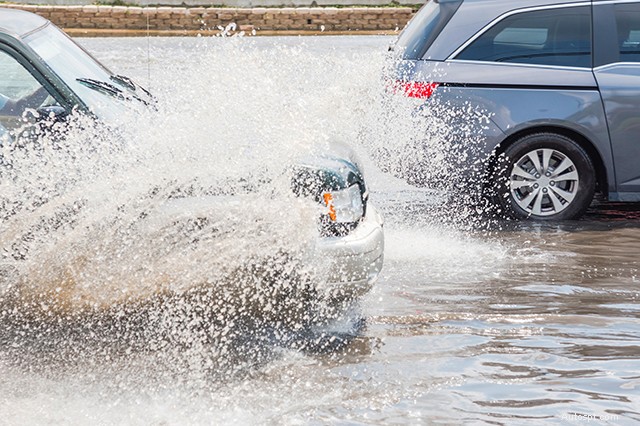
If you’re facing a storm that brings several inches of rain, it’s best to stay off the road when possible, and not just for your personal safety.
Vehicles traveling through water that’s deep enough to be pulled into the engine can suffer from hydrostatic lockup. In layman’s terms, that means the end of your engine, and even the most novice mechanic knows getting a new engine isn’t cheap.
If you have to traverse a deep puddle, do it as slowly as possible.
Symptoms of sleepiness behind the wheel include not being able to keep your eyes open or focused, having trouble keeping your head up, daydreaming, having wandering thoughts, drifting among lanes or tailgating, yawning frequently, rubbing your eyes repeatedly, missing street signs or exits and feeling irritable or restless.
If you feel drowsy, find a safe place to park and take a break or a power nap. A quick bit of exercise and some caffeine can be helpful as well, according to the AAA Foundation for Traffic Safety.

Longer days mean more sun, and greater chances of driving toward blinding light. Always slow down and use caution when dealing with strong sunlight.
Keep a pair of polarized sunglasses in the car to help reduce glare and use your car’s sun visors when needed. Regularly cleaning your windshield will also improve your view of the road, as streaks can be especially pronounced under strong sunlight.
Make sure to leave extra room between your vehicle and the one in front of it, especially during sunrise and sunset hours when the sun’s rays can make it harder to see the car in front of you. And if you are having trouble looking straight ahead, use the line markings on the street as your guide.
Spring can be a tough time for people affected by seasonal allergies. If you turn to over-the-counter allergy meds or use any prescription medications, talk to your doctor or pharmacist about potential side effects before getting behind the wheel.
Warm weather means more traffic from pedestrians, bicycles and motorcycles. As you would any time of year, always share the road safely. Stay hyperaware of your surroundings and avoid distractions.
Winter can take a toll on vehicles, from reducing battery life to undercarriage corrosion caused by salt, sand and other road-cleaning chemicals. The first warm days of the season are a great time to inspect your vehicle, check its vitals and give it a good clean.
“While the application of de-icing salts and solutions is critical to keeping our nation’s roadways safe every winter, it’s important that drivers pay attention to warning signs that their vehicle may be suffering from rust-related damage,” Paul said. “This can be much more than a cosmetic issue; it can also create serious safety issues for drivers by impacting brake lines, exhaust systems, fuel tanks and electrical connections, as well as the structural integrity of some of these older vehicles on the road.”
You can limit damage by washing your vehicle throughout the winter. A spring clean and shine up will also make sure it is sparkling and well-protected.
If you have winter tires, replace them with all-season tires. Inspect the winter tires for any damage you’ll want to have repaired before next year.
Read more about how to get your car ready for the warmer months ahead.
Giving your car some TLC for spring? AAA members can save on automotive replacement parts and accessories at NAPA.
If you run into trouble on the road, due to rain or otherwise, call AAA Roadside Assistance or use your AAA Mobile app to get help.
This article has been updated and republished from a previous version.
Last updated on March 5, 2025 by AAA Staff
