
Aggressive driving, defined by AAA as engaging in deliberate and unsafe behaviors behind the wheel, is a bad habit — and a common one.
A recent study by the AAA Foundation for Traffic Safety found that 96% of drivers admitted to engaging in aggressive driving. The most common behaviors included: speeding up for a yellow light (82%), passing on the right (68%), glaring at another driver (65%), honking (66%) and driving 15 mph faster than the flow of traffic (58%).
Do you consider yourself an aggressive driver? Here are some indicators, as taught in the AAA Defensive Driving Course.
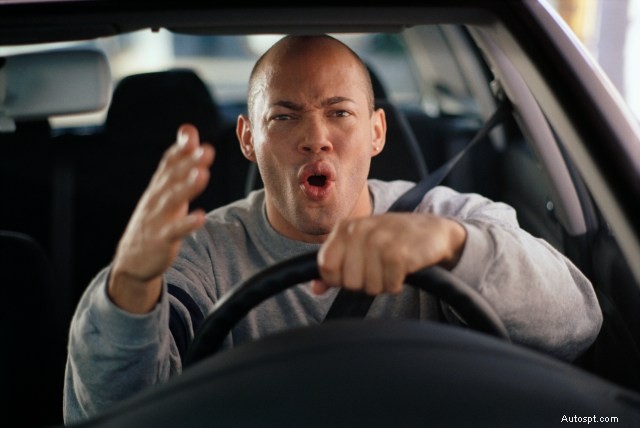
Road rage is the step up from aggressive driving. This involves even more dangerous behaviors drivers should never engage in. You likely have road rage if you ever have:
Road rage and aggressive driving are serious safety hazards, often contributing to crashes.
Driving while emotionally compromised, which includes being angry, sad, crying or emotionally agitated, raises the risk of a crash almost 10 times, according to one study. Furthermore, the error rate for angry drivers can be as much as 2 1/2 times more than that for emotionally stable drivers.
All that anger also takes a toll on your health. The stress and anxiety generated when driving aggressively increases your blood pressure and heart rate, which could increase your risk for heart attack or stroke.
To stay calm while driving, Brain Butterworth, senior manager of AAA Driving School, suggests leaving plenty of time to get where you’re going. This can help reduce any temptation to speed, or frustration you might feel if you get stuck in traffic. If you’re already upset, don’t drive until you’ve calmed down. And if you’re on a longer drive, take breaks. AAA recommends scheduling a break every two hours or every 100 miles. Keep your focus on safety and try be as courteous as possible to other drivers; say sorry, wave thank you and let other drivers merge into your lane .
Other drivers may do things that are inconsiderate, and even illegal. Don’t respond personally — most drivers aren’t thinking about others, they are simply in a rush, distracted or upset. Use these tips to prevent aggressive driving behaviors and to avoid becoming the target of a road rage driver.
For more ways to keep your cool and stay and safe while driving, check out our rules for dealing with a tailgater.
This article has been updated and republished from a previous version.
Last updated on February 16, 2026 by AAA Staff

Ellen is a content producer for AAA Northeast, covering automotive, finance, public affairs and electric vehicle news. She is a former newspaper reporter with experience writing for print and online publications about everything from higher education to sustainability. She recently returned to her native Long Island after living in Connecticut for 20-plus years, and has never met a beach she didn’t like.
