
Radiator hose failure is a common problem for most cars. The car's radiator system has a vacuum to cool down the engine, and it is this vacuum that makes sure there are no leaks in the cooling system. If any leak happens, you will have to replace your radiator hose as soon as possible because if not, you might end up with some serious problems like overheating or, even worse, a breakdown.
People don't know about this issue because they think it's an old-school problem that doesn't happen anymore, but in reality, it does! So be careful and keep an eye on your car's radiator hose!
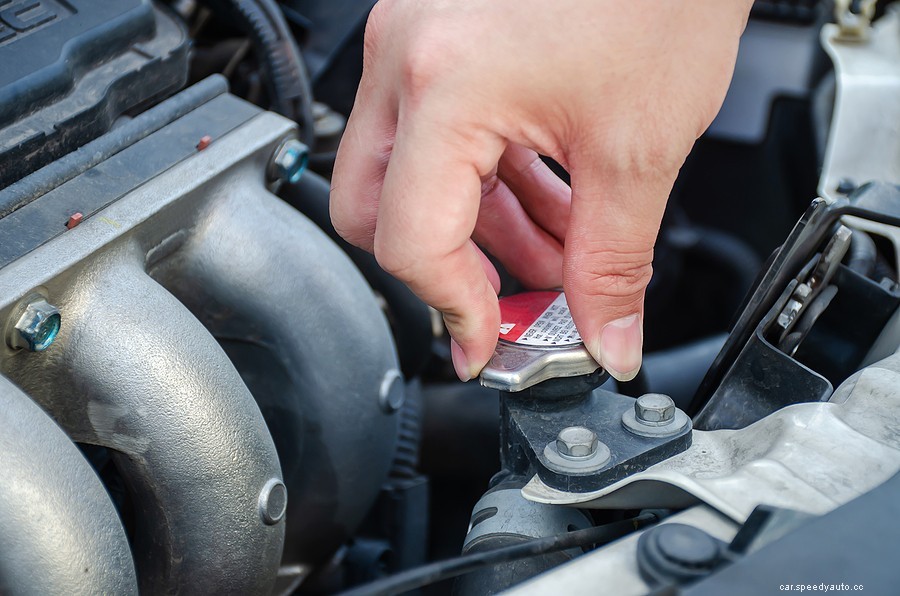
Radiator hoses are made of rubber, and they carry the coolant between the engine block and the radiator. You can find them in almost all engines, but these days, due to plastic manufacturing, automakers have started using plastic/rubber mix to make these hoses so that you will see a mix of both on your car's engine. This is more durable than rubber hoses.
The purpose of having radiator hoses is to transfer the coolant from the engine to the radiator, where it will be cooled before returning. Nowadays, some manufacturers equip their cars with plastic/rubber mix hoses which are more durable (and expensive) than regular ones. Still, these hoses have some cons. They get stiff, so you will have to replace them sooner than regular radiator hoses.
Now, if you see a leak in your car's radiator hose, then it is time for you to change it as soon as possible because even the smallest of leaks can damage your engine, and that will cost you some serious amount of money.
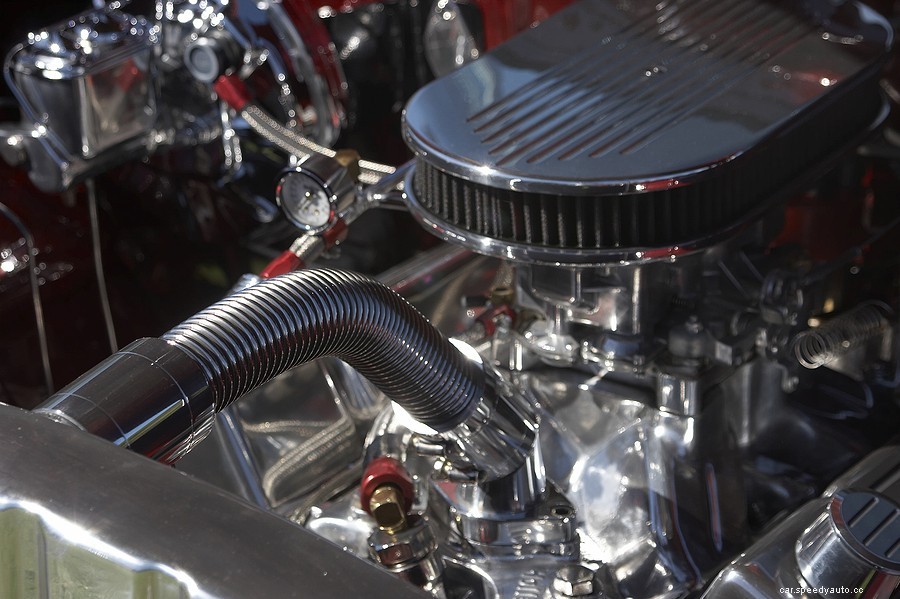
There are several causes for radiator failure that include:
If you ever replace your radiator hoses, then make sure that you tighten the hose clamps tightly. Even a small gap between the clamp and the radiator is enough to let air in, which will cause damage to your car's cooling system. Just tighten it until you see some cracks on its surface; that's good enough.
If you ever notice a leak in your car's radiator hose, it results from overheating. The reason for this is when the engine overheats, the coolant starts boiling, and when that happens, some part of the radiator will crack, making way for air to enter into it, causing a leak in your car's radiator hose.
Usually, radiator hoses last for about five years if they are made out of rubber, but if the hose is a mix of rubber and plastic, it will last around 7-8 years. So, after installing the radiator hose, you will need to check it every five years to see any cracks or leaks, etc.
If you ever replace your car's radiator hose, then make sure that you install it properly. You might be thinking that this doesn't even need to be mentioned, but trust me, if the radiator hose is not installed properly, there are high chances for leaks and cracks to appear, which will result in overheating or coolant leaking out of the system which, in turn, will make your engine fail.
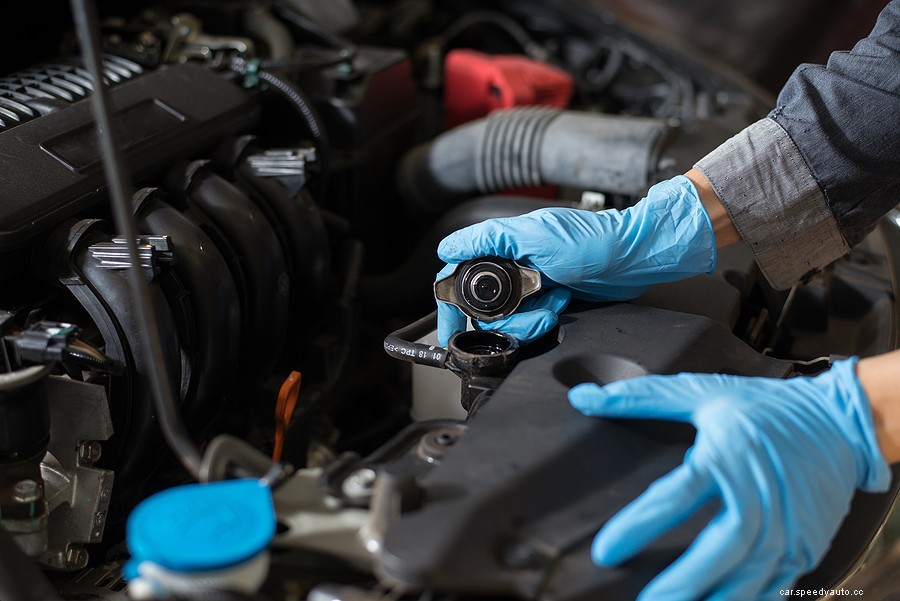 The signs of radiator hose failure
Well, the answer is – if you see cracks or fraying in your radiator hoses, then it is time to change them as soon as possible. You can easily replace these hoses with some cheap after-market parts made for your car model, but make sure that they are of good quality; otherwise, they will get stiff too, which means that you have to replace them sooner than later.
Some cars have only one radiator hose, but nowadays, most automakers have started using two or more hoses, so if you want an exact replacement part, then buy one for each hose and not just a single piece because the engine will work harder when all of its hoses are in good condition which not only increases its life but also helps it to perform better.
So that was all about radiator hose failure, now you know what it means for your car's health and how to prevent this problem from happening. First, pay attention to hoses and fix them if you see cracks because small problems can turn big if ignored, so try to keep an eye on your car's hoses and replace them as soon as possible!
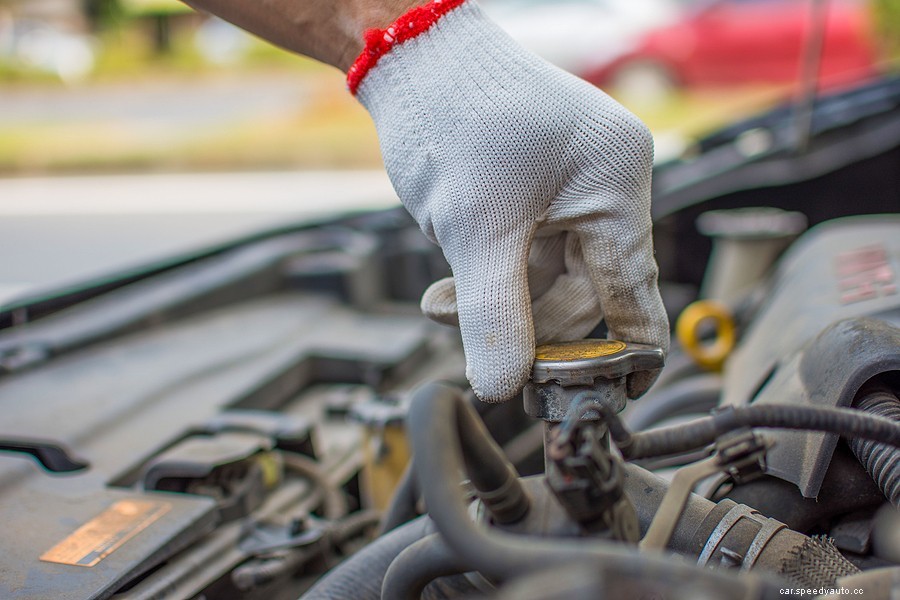
You can avoid your car's cooling system problems by keeping the coolant level normal. If you ever notice a leak in hoses, put off your car and fix it immediately because even small problems can turn big if not treated on time.
Small problems like this are easy to deal with, but they give birth to other issues which require much bigger repairing jobs that can cost you a good amount of money. So keep an eye on radiator hoses and fix them as soon as possible!
More specifically, here are ten tips to help prevent radiator hose failure:
By keeping an eye on the temperature of your car's engine, you can easily detect overheating, which is one of the main causes of radiator hose failure. So make sure that you always check it, and if you see a high reading, then shut off your car as soon as possible because overheating can damage other parts.
Never ignore leaking radiator hoses because they can cause serious problems if not fixed on time. Instead, replace the cracked radiator hose or has some signs of wear and tear. You can easily get replacement parts for your car model at an affordable price tag.
Lowering the coolant level in your car's radiator can cause internal corrosion and rust, which will lead to swelling in the coolant hoses. So keep an eye on your car's coolant level and fill it up if necessary because this way, you can prevent problems with your car's cooling system.
Using heavy-duty radiator hoses is a good option because they are quite sturdy and won't get stiff or crack that easily, so if you can replace them, then go for it; otherwise, make sure that you tighten them well enough to avoid any cracks because small cracks in the hose can allow air in which in turn will damage your car's cooling system.
Moisture inside the engine bay can cause corrosion, which will damage the radiator hose. So get rid of moisture from your car's engine bay and look for signs of corrosion, too, if any, because of this way, you can prevent problems with the cooling system.
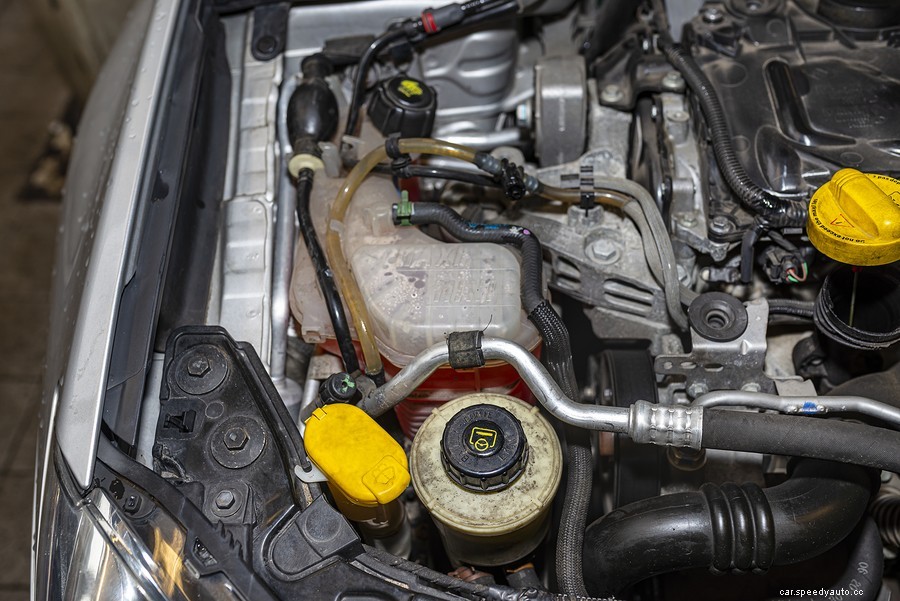
If you ever see that your car's temperature rises abnormally, it means there is a problem with its cooling system, so keep driving it until it cools down to avoid any major damage. However, keep an eye on the temperature gauge again to ensure that everything is fine now because continuing to drive in such conditions may lead to other issues like leaking fluids or severe damage to your car's engine.
While traveling uphill, you must keep the engine rpm low because if it is high, then your car will overheat, which will decrease the life of hoses, so every time you are about to travel up a hill, check your temperature gauge first.
If you ever have to stop at some traffic light or wait for someone for a short period, you can switch off the engine but keep it idling for too long damages hoses, so try not to leave it on idle more than necessary.
Driving under extreme weather conditions weakens radiator hoses and increases their chances of cracking or splitting apart, so avoid driving through waterlogged roads at high speeds.
If you can, keep the hoses away from hot engine bay parts like exhaust manifold because this will reduce the chances of hose failure due to heat. Also, do not pinch or kink them too because it will block the flow of coolant, which in turn will damage the hose.
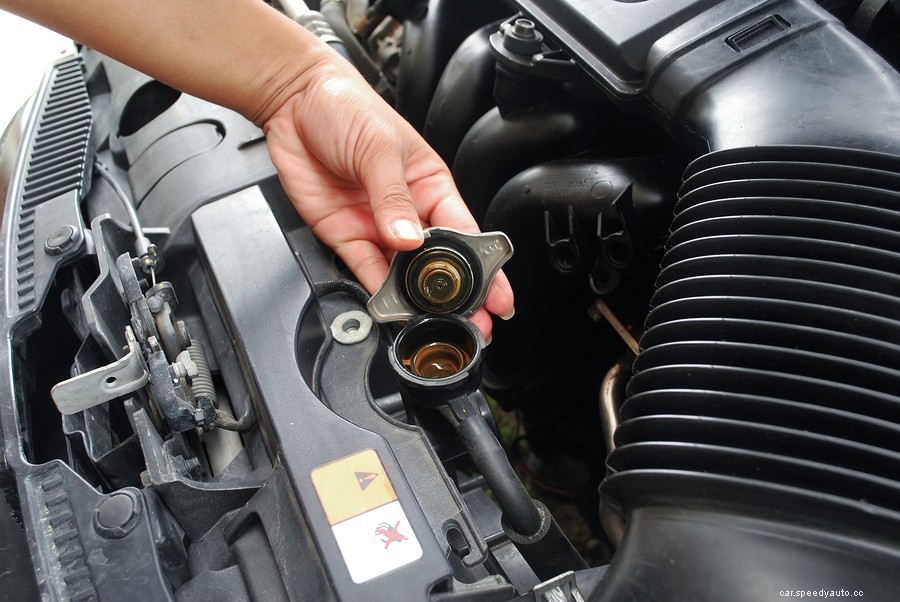
You can continue to drive your car with a bad radiator hose because it won't cause an immediate breakdown of the cooling system; however, any further issues may lead to overheating, which in turn will damage other components, so you must get the leak fixed immediately.
Repairing a radiator hose is not a very difficult task, but if you don't have any experience with car parts, I suggest taking your car to a mechanic.
Here's a step-by-step procedure to replace your radiator hose safely:

Choosing the right radiator hose for your car is quite difficult. Still, if you know important information about hoses like their length, diameter, and pressure rating, then it will be easy to buy the right part for your vehicle. Here are some factors that can influence your decision:

Radiator hose failure can have a serious impact on your car's long-term health, so it's important to be aware of the risks and take steps to prevent them.
We've outlined ten ways to keep your radiator hoses in good condition and avoid damage in this article. If you're ever experiencing problems with your cooling system, don't hesitate to get them fixed as soon as possible.
