
The brake pads are what you step on to stop your car. If these brake pads are not working properly, you will have a rough time braking and controlling your vehicle, and that's when you have to replace them.
Replacing your brake pads is a critical part of car maintenance. It's important to know when it's time for a new set of brake pads and be aware of the signs that indicate they need replacement.
This article will discuss the main signs that show you need new brake pads. We'll also provide tips on how to replace them yourself. Keep reading for more information!
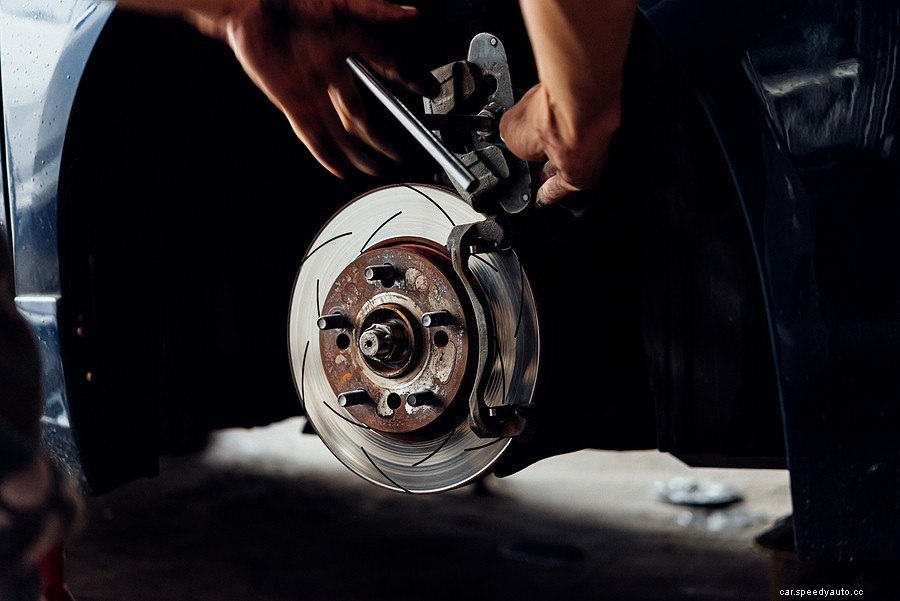
The brake pad is a thin piece of metal or ceramic that rubs against the rotors, causing your car to stop. While applying the brakes, force is transferred from your foot through the brake pads and the rotor. This causes friction between the pads and rotor, slowing down your vehicle.
Brake pads are not all the same; they come in different shapes and sizes, depending on the make and model of your car. Some cars have brake pads that sit right against the rotor; others don't.
It is highly recommended that drivers replace the brake pads before reaching the minimum thickness required for safe braking.
While some cars have a low-wear indicator, which starts blinking when it's time to change them, you will most likely need to learn about your car and how often you'll need to replace these pads by yourself. You can read the owner's manual or look up your vehicle on the Internet to figure out this information. If you don't, you might end up replacing them more often than necessary and wasting lots of money over time.
Here is a rule of thumb: If they're worn down by 1mm, it is time for new brake pads! Also, remember that your brake pads don't last forever. So if you notice rust on the pads, it means they've worn out and need to be replaced immediately.
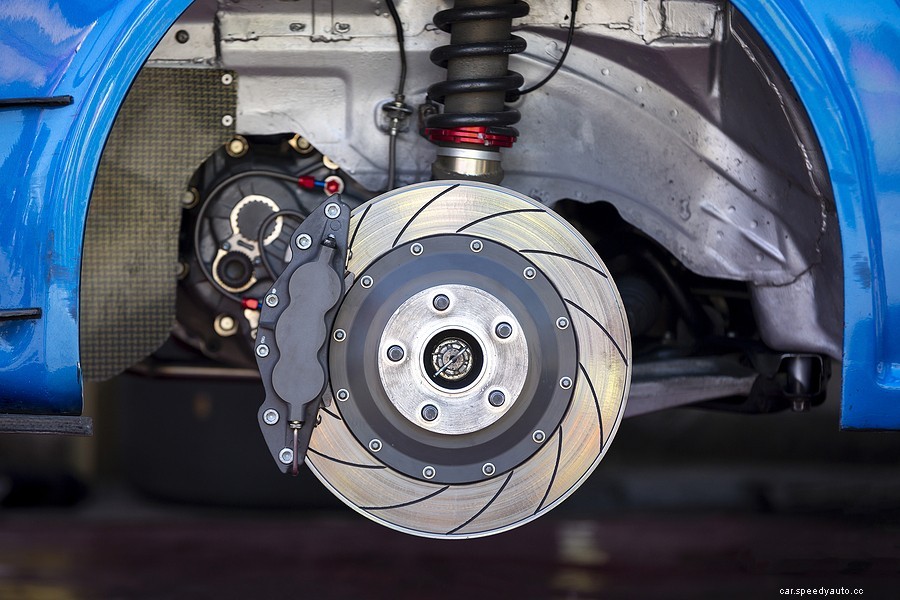
If your brakes are not working properly, they could get very dangerous. For example, you might get into an accident or lose control of the car while braking. So it's crucial to get them replaced whenever required.
More specifically, here are some of the negative consequences of ignoring replacing the brake pads on time:
– Your safety will be more at risk.
– Driving a car could become very dangerous.
– You will end up spending more money on services and repairs since you'll get more of them if you neglect to change brake pads regularly.
Brake pads are very important for your car, as you've learned so far. However, if they are worn out or not working properly, you must replace them immediately.
Here are the main signs that show you need new brake pads:
If you hear loud squeaking sounds when stepping on the brakes, it means that the pads are too thin, and it is time to change them.
In this case, avoid stepping on the brake pedal as much as possible since they cannot bear extensive use. You need to replace these old worn-out brake pads before you can drive your car again.
Suppose your car pulls to the side while braking; it could be due to worn-out brake pads. If this is happening, get them replaced immediately.
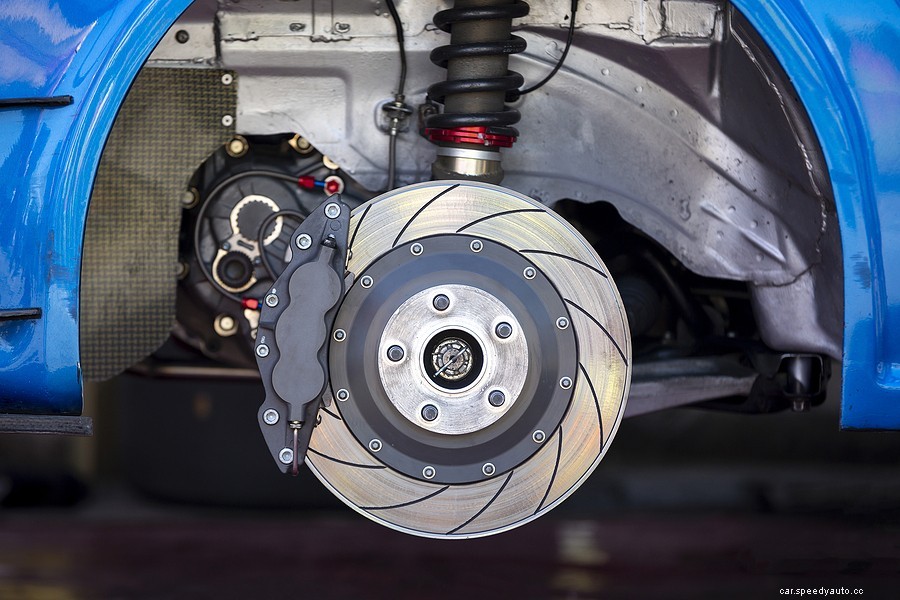
When braking, you should feel a firm and steady pressure on your foot; this means that the brakes are working properly.
However, if they do not stop your car in a straight line, it probably means that the brake pads are worn out. If this is happening to you, get new brake pads right away.
When applying the brakes, if you hear scraping or grinding sounds, it means there's too much rust on them. When this happens, your car could turn even when you don't want it to; braking performance will also be affected, and you may end up getting into an accident.
If your vehicle does not stop well when going uphill, it may mean that the brakes need to be replaced.
This is a clear sign of old brake pad material (dust) coming from the brakes. As such, it's time you had your car checked and got new brake pads installed if necessary.
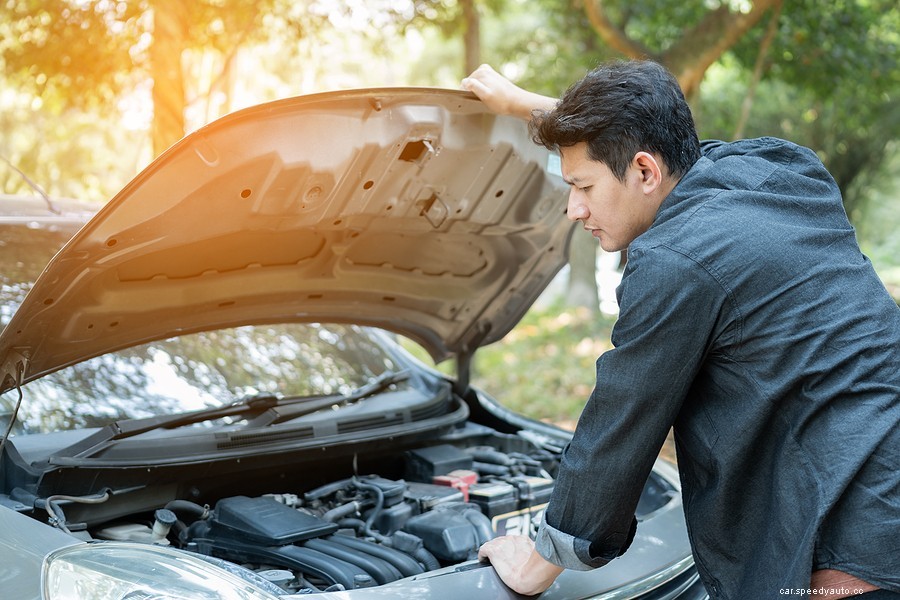
If your vehicle keeps swerving in one or another direction instead of keeping its straight line, it means that the mechanic needs to check the front wheels and replace worn-out brake pads if needed.
Oil spots under your car mean that there may be some wear on the brakes caused by rust or water. To prevent further damage, contact an auto repair service as soon as possible so they can fix this problem for you.
When there's too much rust on the brake rotors, it affects braking. Driving with old and rusted brakes can cause quite a dangerous situation.
Vibrations while worn-out brake pads or rusted rotors could cause driving. No matter what the reason is, if your car vibrates this way when you're on the road, it means that something is wrong and needs to be fixed right away for you and other drivers' safety not to be put at risk.
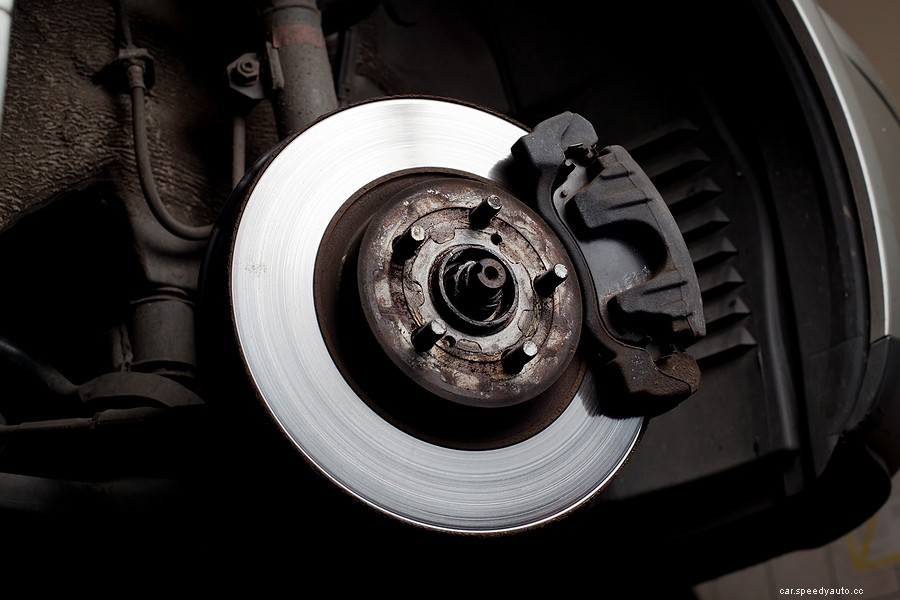
Brake pads wear out because of extensive use; they get thinner over time and lose their ability to stop the vehicle as they should. Eventually, there is not enough material left to operate properly, and they need replacement.
For example, using your brakes too much could speed up the process of wearing out your brake pads; driving fast downhill will also wear the pads faster than driving at normal speeds on a flat surface. Therefore you must drive carefully and avoid braking harshly whenever possible.
If brake pads are exposed to muddy conditions (while driving off-road), this can cause even more damage and shorten their lifespan. Driving in snowy or wet weather may mean lower visibility, but this does not mean that drivers can be careless when stepping on the brakes; use extreme care while braving such harsh weather conditions and make sure you keep a safe distance from the car in front of you.
Depending on the car's make and model, it will cost you $100 and $400 to replace your brake pads. Usually, front brake pads wear out faster than rear ones, so expect to spend a bit more money on getting them fixed if this applies to your vehicle.
You should also consider that replacing brake pads is a part of car maintenance, just like oil changes and tire rotations, and if you're a car owner, it's up to you whether you do this by yourself or get someone else to do it it it the job for you.
Brake pad replacement is not an expensive service, so don't let the cost of getting your vehicle fixed hold you back from having your brakes checked.
When you notice any of the Signs That Show, You Need New Brake Pads. It is time to get your brakes looked at by a professional mechanic. Save yourself from possible accidents and costly vehicle repairs by replacing your brake pads when necessary! We hope this article was useful for you and good luck!

there are tips and tricks to help you prevent damaging your brake pads prematurely, including:
You mustn't exceed the car's maximum working speed because this will increase wear on your brake pads and require more frequent replacements. To calculate how fast your vehicle can go, check the manufacturer's suggestions in the owner's manual or look for it online.
When you press on the brake pedal too hard while slowing down, this puts extra strain on them, which may result in wearing out your brake pads faster than necessary. To avoid unnecessary braking, release pressure from the pedals slowly so you won't have to replace worn-out pads soon after getting them fixed.
Driving off-road increases the risk of damaging car parts such as brake pads. If you like to go offroading (on sand, mud, dirt roads, etc.), make sure that your vehicle is in top shape before doing so; get new tires and brakes checked by a professional mechanic before going on any adventurous trips.
Low engine oil levels affect your car's ability to run smoothly and may put it at risk of getting into an accident. However, suppose you don't check your oil level often enough. In that case, this could lead to premature brake pad damage and potentially dangerous situations while driving – so remember to add more oil when necessary!
Wet road conditions and icy weather may be hard to detect, but they can make braking more difficult. So if you find yourself in a situation when it's snowing, raining, or you're going through a slippery surface while driving – ease off on the brake pedal and slow down gradually because braking too harshly can damage your car's brakes even further!
Whether you choose to do the job by yourself or let an expert mechanic take care of this for you, replacing worn-out brake pads when necessary is crucial for allowing them to function properly and avoid such issues such as low breaking power, which can cause accidents, loss of control over your vehicle and so on.
If you feel comfortable replacing the brake pads yourself, you can follow this step-by-step procedure:
Once you know how to replace brake pads yourself, keep an eye out for any signs that indicate they need replacement and promptly take care of this task. Although replacing brake pads might seem like a daunting job at first (depending on experience and confidence), you will see that doing it by yourself can save you a lot of cash, and it's not as difficult as you might think. Good luck!
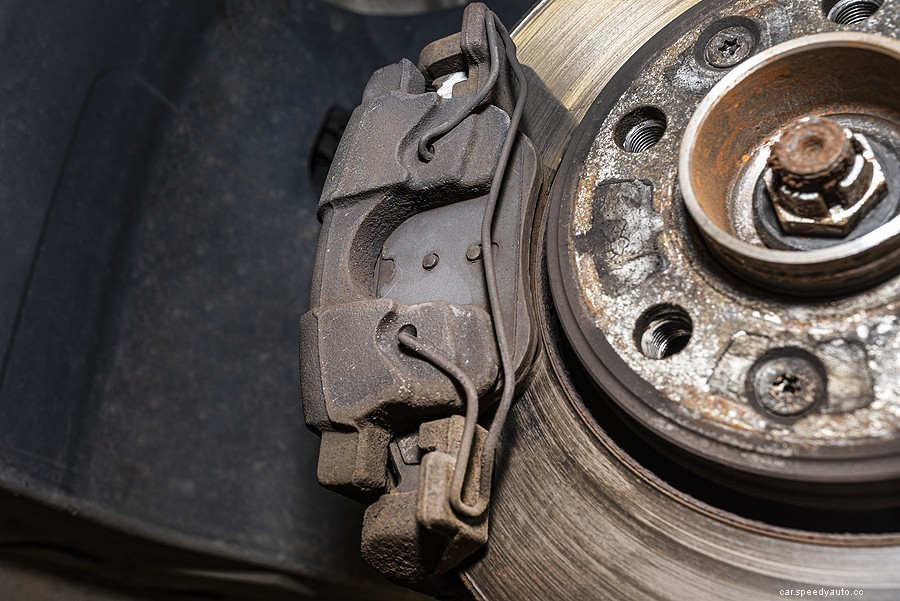
Brake pads are one of the most important parts of your car, and they do more than bring you to a stop. They also help with steering, acceleration, and even fuel efficiency, so you must get them checked regularly for any signs that show their wear or tear is too much.
If you notice anything out of the ordinary when driving your vehicle (such as strange sounds), then take care of this immediately because worn brake pads can result in an accident that will cost time and money!
It may seem like replacing these items isn't enough work – especially if you're unfamiliar with how to go about doing it yourself- but once you know what to look for, it should be easy peasy lemon squeezy.
Just make sure to replace them as soon as you notice bad signs, and your vehicle will last a lot longer.
