
Nissan Altima is a superb vehicle, and people purchase it every year for many amazing features, including its speed and durability. It is comfortable to drive, but this vehicle usually faces certain problems.
However, there are several things to keep in mind before purchasing a Nissan Altima, including the commonly reported problems with the transmission.
Transmission problems can be one of the most problematic issues that damaged Nissan Altima because it harms the car's performance to a great extent. However, with proper care, you can protect your car from these problems. Here are some transmission repairs for
If you are a Nissan Altima driver, you should be aware of the transmission problems reported with this car. This article will discuss the repair options and costs for those problems.
Nissan Altima is a car that has been manufactured and sold by Nissan Motors since 1992. The car model was first released as a compact car designed to replace the Nissan Stanza. It was built on Nissan's A platform under its “Nissan N engine.” The car quickly became the top-selling model after introducing it in Japan and North America.
In 1998, Nissan had to recall some of the Nissan Altima because a manufacturing issue caused the cruise control not to work properly at high speeds. In 2005, it was made to it including powertrain and suspension tuning for better performance.
In 2007, Nissan released the car under another name called “Nissan Maxima,” but it is still sold as Nissan Altima, mainly in North America.
Here are some of the unique features of Nissan Altima:
Except for the base model, all Nissan Altima models have an automatic transmission. They either come with a CVT or four-speed automatic transmission. A continuously variable transmission offers you better acceleration when compared to a four-speed automatic.
Although Nissan Altima has gained immense popularity among customers, it has faced severe issues with transmission problems.
Transmission slipping is one of the most common problems that Nissan Altima users face. This problem occurs when the transmission fails to engage into gear properly. There are several reasons behind this problem, including incorrect gear ratio, dry/stuck motor oil causing clutch failure, defective solenoid switch, or transmission sensor malfunctioning. As the transmission slips, the car loses power and slows down. You need to immediately take your car to a nearby service center as the problem can worsen if left unaddressed for too long.
Troubleshooting: The easiest way is to ask a friend or family member to drive the car while you check for transmission slip issues by keeping an eye on the RPM gauge. If you find no change in RPM even though your friend is driving at high speed (without applying accelerator), then it might be an issue with your transmission.
Repair Cost: A new solenoid switch costs around $190, but labor will cost extra.
As the name suggests, this problem is observed when your car starts leaking transmission fluid. The fluid might start leaking from anywhere in and around the gearbox and hydraulic system area, which requires proper attention to repair this issue. Most of the time, it can also be observed that there is a loss of power while driving.
Troubleshooting: If you experience any such issues with your car, you need to immediately take your car to an authorized service center for further inspection.
Repair costs: Repair costs may vary depending on the extent of leakage damage; however, it will average around $500 -$1120 per axle or four-wheel drive.
#3 Transmission Clutch Replacement
The clutch system in Nissan Altima allows smooth engagement of transmission into gear. When the clutch wears out or fails to engage, severe issues include slipping gears, noisy shifting, or permanent damage.
Repair costs: The repair cost for replacing a single-clutch is around $1120 -$3200 depending on the model and type of transmission your car has.
Over time, the control module may stop responding properly, which stops communication between other parts of your transmission system, leading to problems with shifting gears.
The common issue reported with Nissan Altima transmissions is a failure of control modules, which should be immediately replaced as soon as any such problem is observed.
After replacement, you need to make sure that there are no other problems with sensors or solenoids to avoid further damage.
Repair costs: The repair cost for replacing the control module is around $300 -$1120, depending on the model and type of transmission your car has.
The solenoids are the electrical switches that play an important role in controlling different functions of your car's transmission system, which includes shifting gears between reverse, drive, and park models.
When solenoids or sensors fail to start working, several problems with shifting gears can be solved. However, if left untreated, it may also lead to permanent damage.
Repair costs: The repair cost for replacement will average around $400 -$1175 per axle or four-wheel drive.
The transfer case keeps all four wheels of your vehicle powered and works with the transmission for smooth operation.
When there is any problem with the clutch, it may result in difficult shifting of gears. If left untreated, this can also lead to permanent damage.
Repair costs: Repair costs for replacement will average around $1425 -$1720 per axle or four-wheel drive.
Temperature sensor helps your car's computer system automatically adjust torque and gear ratios based on the engine temperature; however, if it fails to recognize proper engine heat changes, you may face issues like harsh shifting and slipping gears between reverse and reverse drive mode.
Repair costs: The repair cost for replacement averages around $350 -$1175, depending on the model and type of transmission your car has.
TCCM stands for Transmission Control Computer Module. It controls transmission speed by checking solenoids, sensors, and valves to ensure smooth operation.
If it fails to function properly, you may face issues like harsh shifting or slipping gears between drive and reverse mode.
Repair costs: Repair costs for replacement average around $700 -$1720 depending on the model and type of transmission your car has.
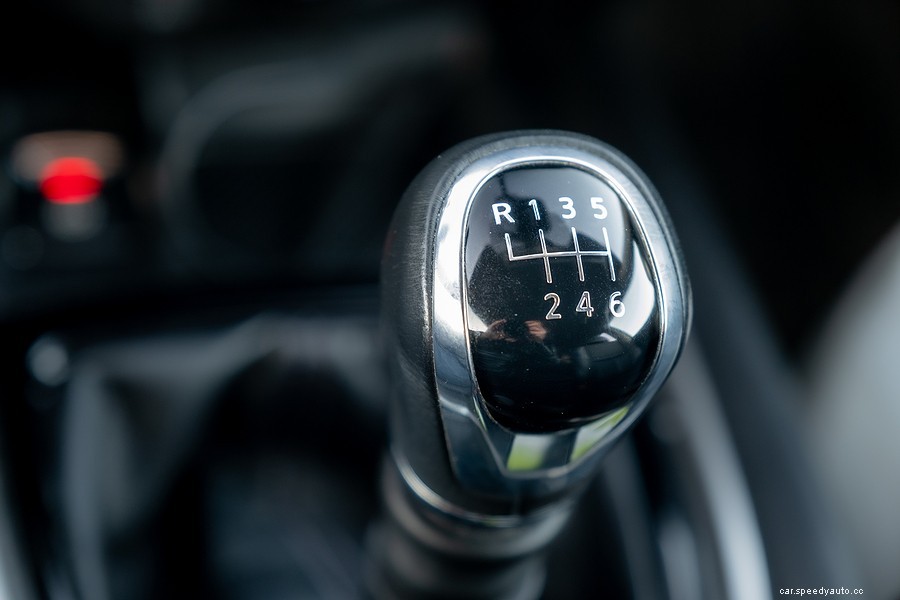
A shift lever is a mechanical switch that operates the gear shifter inside the vehicle's cabin to allow the driver to select different gear positions.
If it gets worn out due to extensive use or problems with surrounding levers or cables, you may face such issues as failure in getting into higher gears or abnormal noise while shifting between gears.
Repair costs: Repair costs for replacement average around $200 -$700 depending on the model and type of transmission your car has.
Nissan Altima vehicles use automatic transmissions which only require regular changes of fluid every 30,000 miles to function properly; however, if you notice an oil leak in some specific areas like underneath your car near gearbox or transmission pan gasket, then it is a clear indication that there is some problem with transmission seal or failure of some o-rings rendering them useless.
Repair costs: The repair cost for such problems will average around $300 -$850 depending on the model and type of transmission your car has.
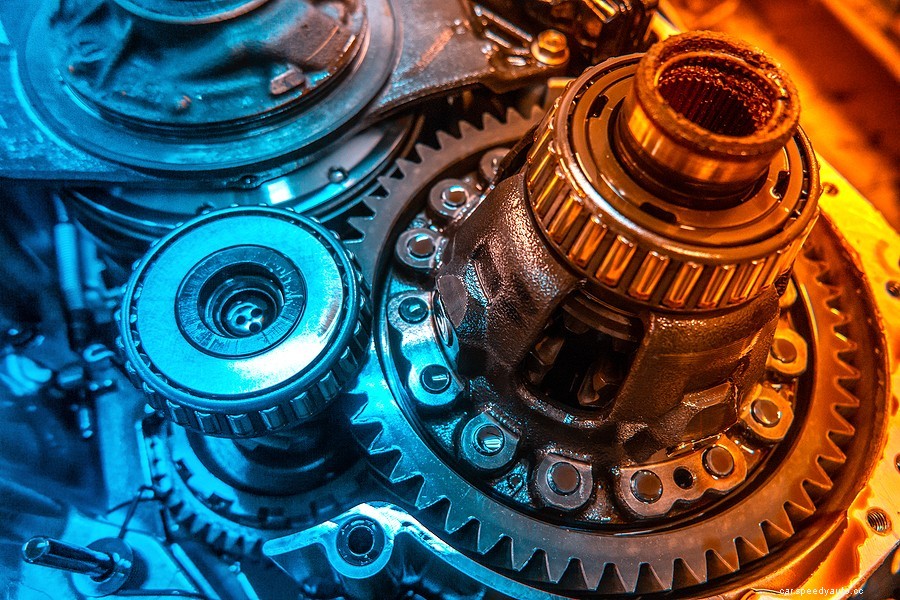
The worst Nissan Altima model years to avoid are those with some transmission problems with some noticeable problems like harsh shifting between gears and slipping of gears.
The model Year 2003 is another year where you need to watch for certain models having problems with their transmissions.
On the other hand, some of the Nissan Altima models from 2005 – 2007 were also affected by certain problems.
If you would like to know more about specific model years and models that came with problematic transmissions, then continue reading on.
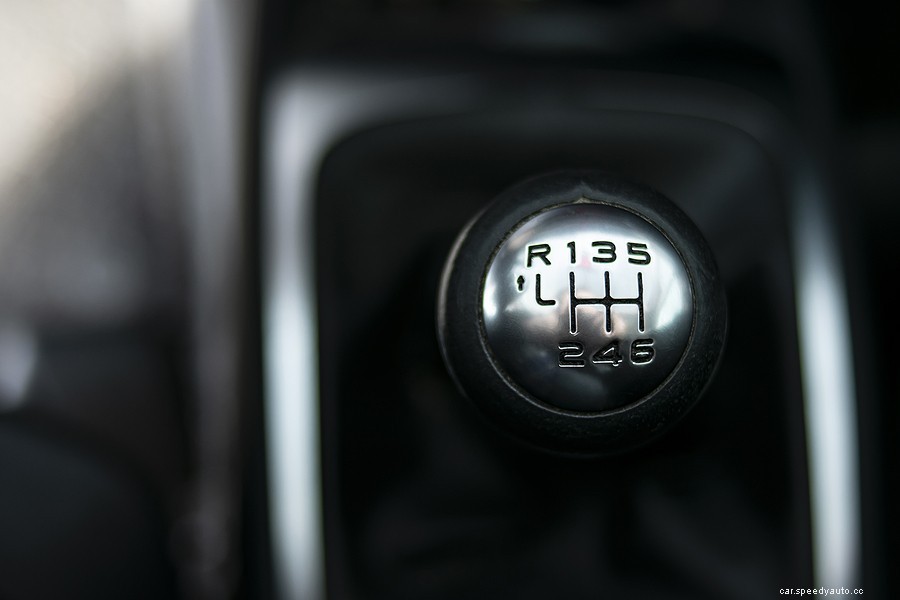
There are no Nissan Altima recalls for its transmissions as it is not prone to any major issues.
Most of the other problems could be related to engines or air conditioning. For example, some Nissan Altima cars were recalled in 2010 to replace their faulty radiator hoses, leading to engine overheating.
If you know some specific model years and models that had some problems related to transmission, then it is better to avoid buying such cars.
For example, if you are looking for a used Nissan Altima from 2013 but want to avoid any transmission problem, get one of the later model years like 2014, 2015, or 2016 depending on your budget and preference.
This way, you will avoid the problems experienced in 2013.
In 2012, there were two known model years with some transmission problems, with the model year 2007 being one of them.
On the other hand, the model year 2006 was a better option as it came with much fewer issues related to its transmissions.
In 2007, particular models came with problems of transmissions not being able to shift between gears smoothly enough. Some of the major issues reported from the model year 2006 include lack of engagement, slipping of gears, and harsh shifting between gears.
More specifically, here is a step-by-step procedure on how to prevent buying a Nissan Altima with transmission problems:

To avoid transmission problems in Nissan Altima, you have to check fluid level and condition regularly.
Ensure no signs of leaks or unusual noises while shifting gears between drive and reverse mode. Also, get the entire system inspected thoroughly every 30,000 miles for any possible problem with a higher risk of causing extensive damage when left unattended for a long time.
More specifically, here are some tips to prevent transmission problems with the Nissan Altima:
● First, keep the transmission fluid level between the minimum and maximum range indicated on the dipstick.
● Ensure no signs of leaks or unusual noises while shifting gears between drive and reverse mode.
● Third, get the entire system inspected thoroughly every 30,000-60,000 miles for any possible problem with a higher risk of causing extensive damage when left unattended for a long time.
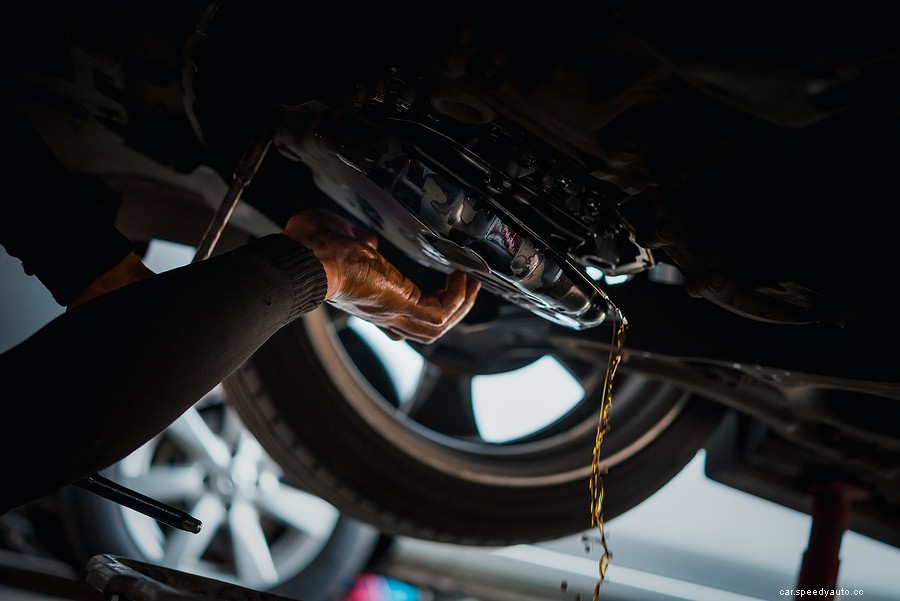
Nissan Altima is equipped with highly efficient automatic transmissions which require regular changes of fluid; however; if you notice an oil leak in some specific areas like underneath your car, then it is a clear indication that there is some problem with the gearbox seal or failure of o-rings rendering them useless.
If ignored for a longer period, this may even lead to complete failure of transmission components resulting in large repair costs. So, if you are facing issues with your vehicle, take it to the nearby service center for inspection.
