
Nissan Altima drivers know that their car is a reliable workhorse. But even the most dependable car can experience problems from time to time. Here are the five most common transmission problems with the Nissan Altima and how to fix them.
A transmission problem is the failure of your car's engine to transfer power from the drive train to the wheels. This happens in several ways, and it can be mild or severe. For example, a bad or slipping clutch will cause a Nissan Altima to stall when trying to take off.
A transmission problem with your Nissan Altima might not mean that you have to take your car into the shop. A good driver will be able to fix many of the most common problems on their own using these step-by-step instructions.
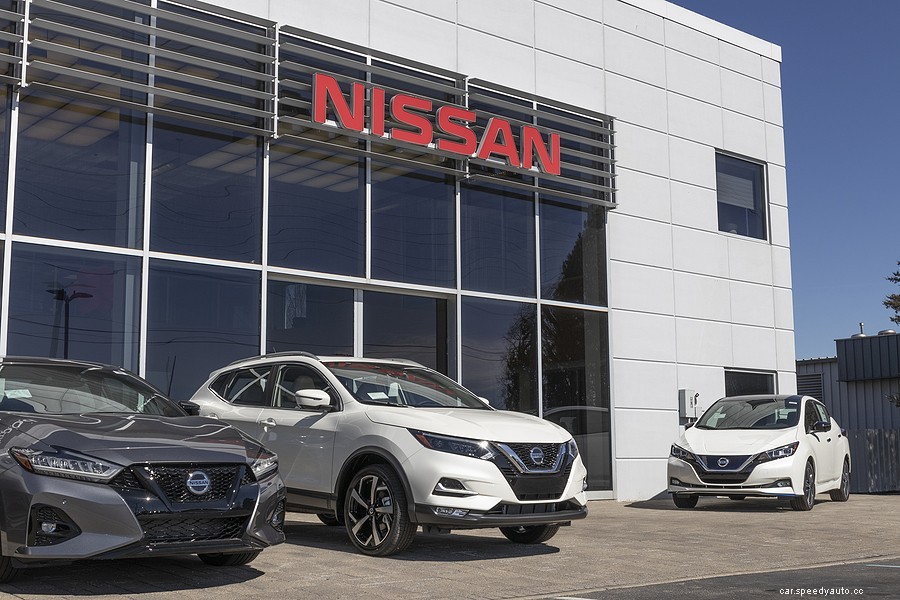
While several reported complaints about Nissan Altima transmission problems, it is often difficult to tell if the common problems are actually with the transmission or somewhere else.
Some of the most common complaints about Nissan Altima transmissions include:
One of the most common complaints about Nissan Altima transmissions is slipping clutches. If your clutch is slipping, it means that there is too much play in the clutch, so it doesn't engage properly. Because this makes your car very difficult to drive, it is especially dangerous if you are driving on a wet or icy road.
The most common sign of a slipping Nissan Altima transmission is jerking when trying to accelerate. If you notice this problem with your car, immediately take it into the shop. It will cost less to fix a problem before it worsens, including replacing your clutch.
Leaks are often more obvious than other problems, but they can still be difficult to diagnose. A leak means that some of the transmission fluid is draining from the car, which means that there is likely a bigger issue with your transmission's seals or gaskets.
Anywhere you see fluid leaking, have your car brought into the shop to assess what is wrong and how much it will cost to repair. The longer you wait, the larger of an issue you'll end up having if left unfixed for too long.
If your car vibrates when you are accelerating, it means that the transmission is slipping. Sometimes this can be fixed by removing debris built up in your Nissan transmission.
Another possible cause of vibrations while accelerating is a problem with your torque converter. This could mean that the bolts attaching the converter to other driveshaft parts have come loose or fallen off completely. It might need to be replaced entirely for this concern to go away.
If you are experiencing problems shifting gears, your transmission might not properly engage or disengage gears during acceleration and deceleration. If you notice pulling, grinding, or any other unusual noises when shifting gears, it is probably time to bring your car into the shop for a diagnosis.
If your car is moving during the drive, the transmission isn't engaging properly with the engine. There could be several reasons why this is happening, including debris buildup or problems with the linkage system. It's also possible that there are issues with your transmission fluid levels. Some of these problems can be fixed without taking your car into the shop. However, if you have experienced any of this trouble more than once or twice, take it to a professional so they can check for more serious problems inside the box.
If you get to a point where you're dealing with one of the problems on the list, you have to check your transmission fluid. You can try checking it yourself or taking it to a shop where they will do it for you. If there's not enough in there and your car is in dire need of a change, bring it to the shop, and they will change it for you.
Let's take a closer look at the possible solutions for these problems:
If your clutch is slipping, it means that there is too much play in the clutch, so it doesn't engage properly. Because this makes your car very difficult to drive, it is especially dangerous if you are driving on a wet or icy road.
The most common sign of a slipping Nissan Altima transmission is jerking when trying to accelerate. If you notice this problem with your car, immediately take it into the shop. It will cost less to fix a problem before it worsens, including replacing your clutch.
Anywhere you see fluid leaking, have your car brought into the shop to assess what is wrong and how much it will cost to repair.
If your car vibrates when you are accelerating, it means that the transmission is slipping. Sometimes this can be fixed by removing debris built up in your Nissan transmission.
Another possible cause of vibrations while accelerating is a problem with your torque converter. This could mean that the bolts attaching the converter to other driveshaft parts have come loose or fallen off completely. It might need to be replaced entirely for this concern to go away…
If you are experiencing problems shifting gears, your transmission might not properly engage or disengage gears during acceleration and deceleration. If you notice pulling, grinding, or any other unusual noises when shifting gears, it is probably time to bring your car into the shop for a diagnosis.
If your car is moving during the drive, the transmission isn't engaging properly with the engine. There could be several reasons why this is happening, including debris buildup or problems with the linkage system. It's also possible that there are issues with your transmission fluid levels. Some of these problems can be fixed without taking your car into the shop…
As you can see in all five problem descriptions, Nissan Altima Transmission Repair Cost needs to be taken seriously and fixed ASAP, so your vehicle doesn't go into a worse state of repair or bad transmission trouble. If you are experiencing any Nissan Altima shifting problems or want to have your car checked out, visit a transmission repair shop to have a professional diagnose the issue. It is always cheaper and better to take it to a mechanic to check before the problem worsens.
The best way to avoid transmission problems with your Nissan Altima is to have regular check-ups done at a shop you trust. This will allow professionals to find and fix any potential issues before they happen.
Here are some tips you can implement to prevent Nissan Altima transmission problems:
These are just some useful tips that will help keep your car in tip-top shape and out of potential trouble spots down the line. Remember, prevention is always better than cure.
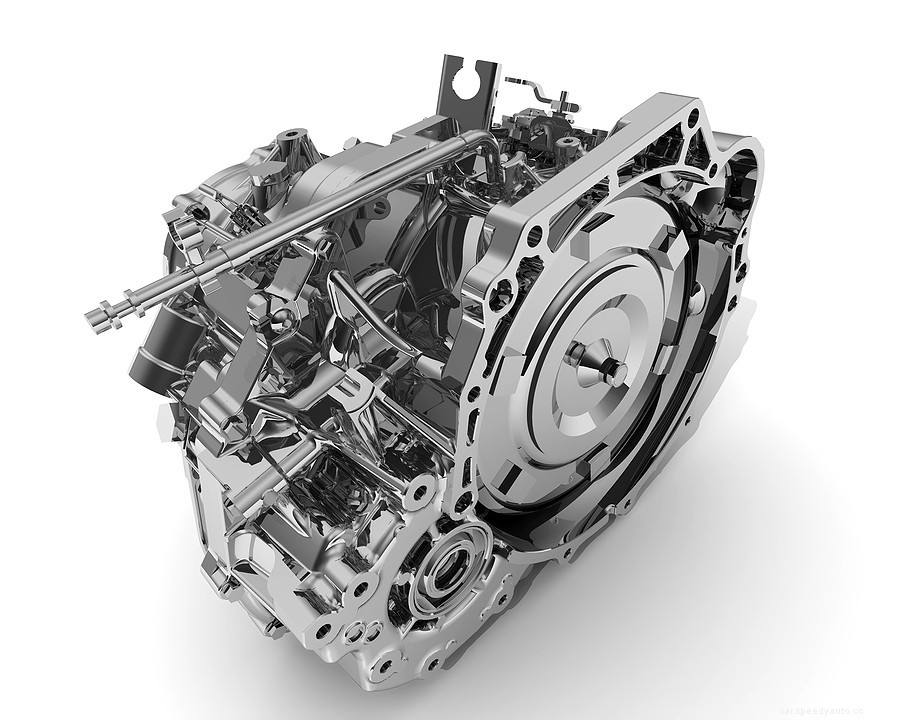
There have been a few transmission-related recalls for the Nissan Altima. In late 2016, some reports of the CVT (Continuously Variable Transmission) failed in models built between 2013 and 2016. If your car is affected, you'll likely hear a loud noise when the transmission fails. The recall includes over 1 million vehicles, so it's important to check if your car is included.
Another recall was issued in 2013 for the Nissan Altima's transmission system. This one involved problems with the linkage system that could cause the car to not move during the drive. If your car is affected, you'll likely notice a grinding noise when shifting gears.
It's important to keep an eye on any potential recalls for your Nissan Altima to avoid future problems and save yourself money in the long run.
answer the most frequently asked questions about Nissan Altima transmission problems.
If your car doesn't start or makes loud noises when starting, you might have a bad Nissan Altima transmission. Other signs include grinding sounds when shifting gears, or your car won't accelerate.
The average life expectancy for a Nissan Altima transmission is around 100,000 miles. It all comes down to the quality of the parts you use and how often you change your Nissan's transmission fluid. The more you maintain your vehicle, the longer you'll have your Nissan Altima transmission.
A brand-new, factory-made Nissan Altima transmission costs around $4,000 – $7,000 depending on the type of model you have and who you purchase it from. A good aftermarket replacement will be less than $1,000. You can choose to buy your transmission online or at a local auto parts store near you.
Some common signs of knowing if your car needs a new Nissan Altima transmission include not shifting gears properly, refusing to start completely, making abnormal noises or grinding, and overheating.
Yes! Using the right Nissan Altima transmission fluid can keep your car running smoothly for longer. Make sure you check what type of transmission fluid your car needs before buying any fluids or changing oil. You can usually find this information in the owner's manual or the hood compartment.
It's possible to rebuild a Nissan Altima transmission, but it's not recommended for non-professionals. If you're not experienced with car repairs, you can most likely outsource this job to a professional.
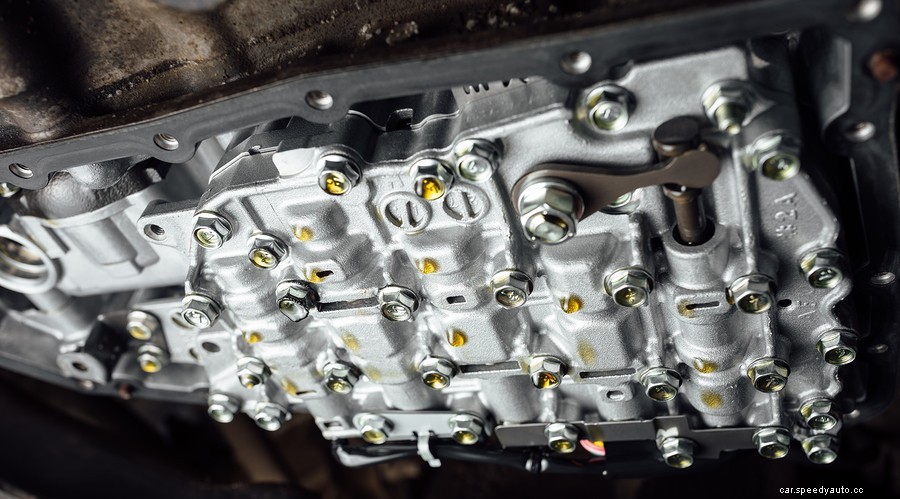
The Nissan Altima is a popular car, but it can experience transmission problems like all vehicles. In this article, we've listed the five most common issues with the Altima's transmission and how to prevent them. We also list any recalls that have been issued for Altima's transmission system. If you're experiencing any of these problems, take your car to a mechanic as soon as possible to avoid further damage.
