
If you take a road trip this summer, you will not be alone. Rising inflation and higher fuel costs will not stop Americans from road travel during the Fourth of July weekend. Driving ranks higher in popularity than flying.
According to AAA, an estimated 42 million people will hit America’s roads for the holiday weekend, a new record surpassing pre-pandemic levels by 1.1%. That’s slightly more than 2021 and it represents 87.6% of all travelers during the holiday period from Thursday, June 30 to Monday, July 4.
Before you pack your bags, some vehicle preparation is in order. Check out our tips for a safe and enjoyable road trip.
Before setting out, you’ll want to prepare the vehicle for the distance ahead. The National Highway Traffic Safety Administration (NHTSA) recommends that drivers take these steps in the days leading up to a road trip:
Routine maintenance is a must, and keeping up with your car’s maintenance schedule can help prevent costly breakdowns. Perform a basic safety check of your vehicle’s tire pressure, wiper blades, fluid levels, lights, and air conditioning. You shouldn’t defer regularly scheduled services such as tune-ups, oil changes, battery checks, and tire rotations.
If you find anything is amiss, check our vehicle maintenance pricing and service schedules page to see if your car is due and what it may cost. It’s worth running it by a dealership or auto repair shop when you’re unsure whether any service is overdue.
RELATED STORIES: Car Maintenance Guide: Everything You Need to Know
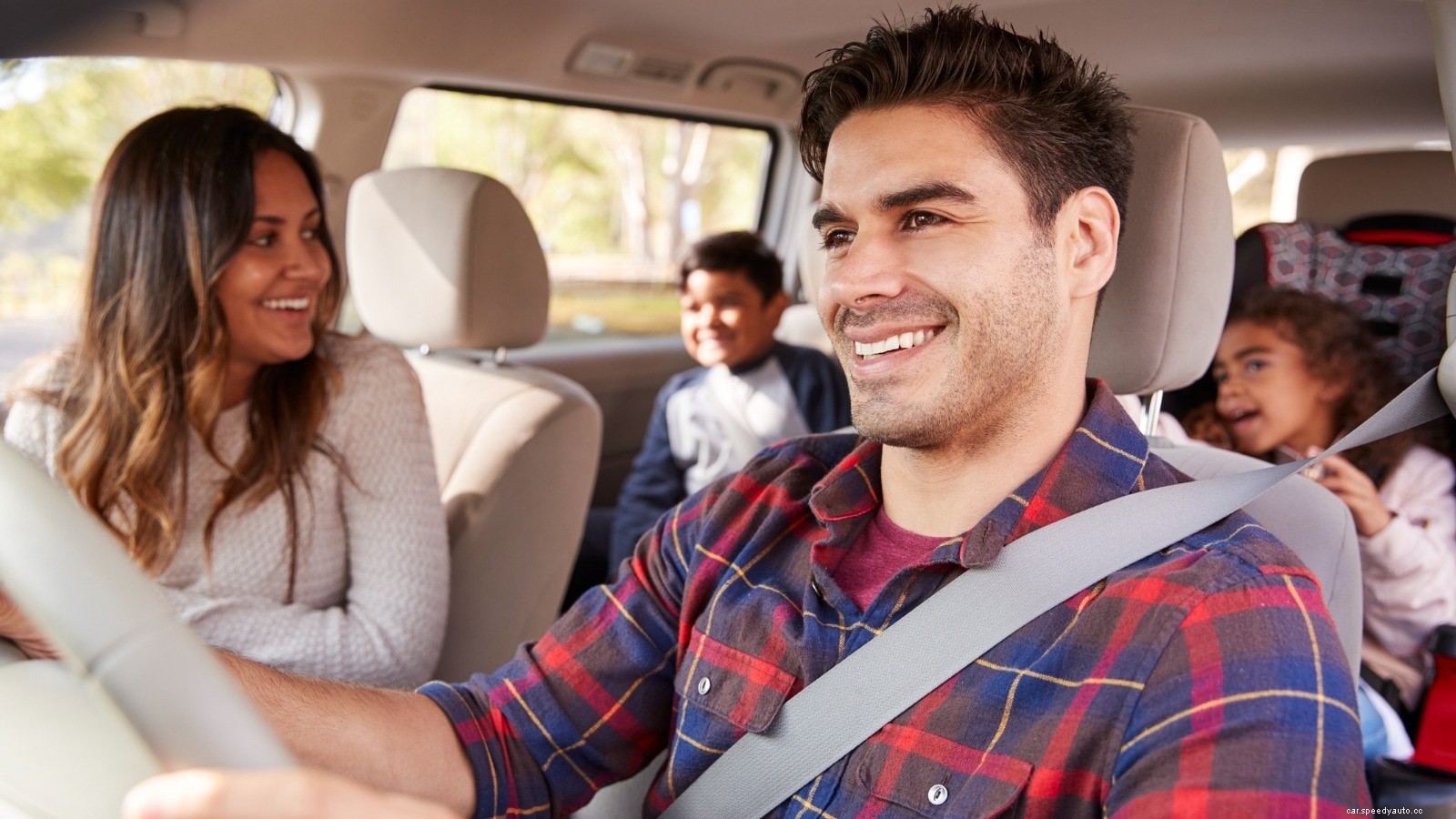
All children under 13 years old should ride in the back seat. And be aware of the added risks that arise in warm weather. Heatstroke can occur when a child gets left unattended in a parked vehicle.
To understand more about child seat safety, take some time to review the importance of car seat safety.
NHTSA recommends that drivers carry:
Plan your travel and route, and check road conditions, weather, and traffic to know what you can expect. But also be prepared for any contingency. Remember, a cell phone is the most critical emergency item since it allows you to call for help when and where you need it. Just remember to pack your phone cord for extra protection, even if your car offers a built-in charger.
Use Kelley Blue Book’s VIN recall check tool to ensure your vehicle is ready to go. If you find a recall, get it fixed as soon as possible.
Millions of Americans are driving cars that may have safety recalls. Dealerships will always perform recall repairs for free. But their service bays can get swamped ahead of a heavy travel season, so check as early as possible to see if your car needs any free repairs.
You’re probably set on this checklist item if you’re driving your own car. If renting a vehicle, pick it up a few hours before the road trip to familiarize yourself with it. Get familiar with the different types of driver assists and safety features you can use.
Once you’re on the road, car safety is about paying attention to your surroundings and keeping yourself alert. To that end, don’t neglect these necessary safety precautions:
Late afternoon and early evening can be the worst times on the road. Avoid peak traffic times for a long weekend by leaving early Thursday or Friday morning to be well on your way when the travel rush kicks in. For the trip home, leave early Monday, or give yourself an extra day and travel on Tuesday. That way, everyone else is out of the way.
RELATED ARTICLES: See the Most Fuel-Efficient Sedans
A National Sleep Foundation poll says 60% of adults drive cars when tired. It also found that 37%, or 103 million people, fell asleep at the wheel. Of those, 4% of adults caused a crash by falling asleep while driving.
If you feel fatigue coming on, stop and rest or switch drivers before putting yourself or other passengers at risk. But really, limit driving at night when it’s harder to see.
 We’re big fans of Waze and Google Maps. These navigation tools can route any driver around traffic, provide updates on travel time, and even alert you by warning of road hazards. But, for safety’s sake, remember to keep your hands on the wheel and your eyes on the road. Instead of multi-tasking, put a passenger in charge of the navigation and the music or podcast selection.
Occasionally getting out of the car is good for everyone, especially the driver. The best way to avoid feeling tired behind the wheel is to give yourself a regular change of scenery. And there’s no better way to do that than pulling over every few hours and stretching your legs.
If your road trip involves multiple qualified drivers, let everyone take a turn handling the stress of driving and relaxing in the passenger’s seat. It’s good for everyone’s nerves and sets the right tone for the weekend.
Remember that traffic could be heavier than you’d expect, especially near attractions or vacation destinations. Good weather attracts many roadway users, including motorcyclists, bicyclists, and pedestrians. While they share the same rights, privileges, and responsibilities as every motorist, they are more vulnerable. Their most significant disadvantage is that they do not have the protection that a car or truck provides. Leave more distance between you and a motorcycle — about 3 or 4 seconds worth.
Motorcycles are much lighter than other vehicles and can stop at shorter distances. Always signal your intentions before changing lanes or merging with traffic. This courtesy allows other road users to anticipate your movement and find a safe lane position.
Do we need to say this? According to the American Medical Association Journal, accidents remain one of the top leading causes of death for Americans. During the height of the COVID-19 pandemic, when the total number of miles Americans drove plummeted, traffic deaths increased. Give yourself and your loved ones a fighting chance and obey this critical safety law. Use your seatbelts.
RELATED ARTICLE: Best Family Cars for Car Seats
Due to the ongoing COVID-19 pandemic, whether everyone in your car is vaccinated or not, you may need masks in some shops, restaurants, or attractions you visit. To make things easy, keep masks on hand for everyone traveling so all can take part in any road trip stops.
Being on vacation can interrupt your routine and distract you from checking the back seat when you exit the vehicle. It’s hard to believe, but, on average, heatstroke deaths claim 38 children in the United States each year. Pets are also in grave danger when left in a car, even for a short period with the windows cracked.
NHTSA reminds everyone to keep our tiny loved ones safe with these tips:
Many vehicles can alert you with a rear seat reminder. When drivers turn off the car, it alerts you to check for rear occupants. If you have an older car, aftermarket products also provide the same type of alert.
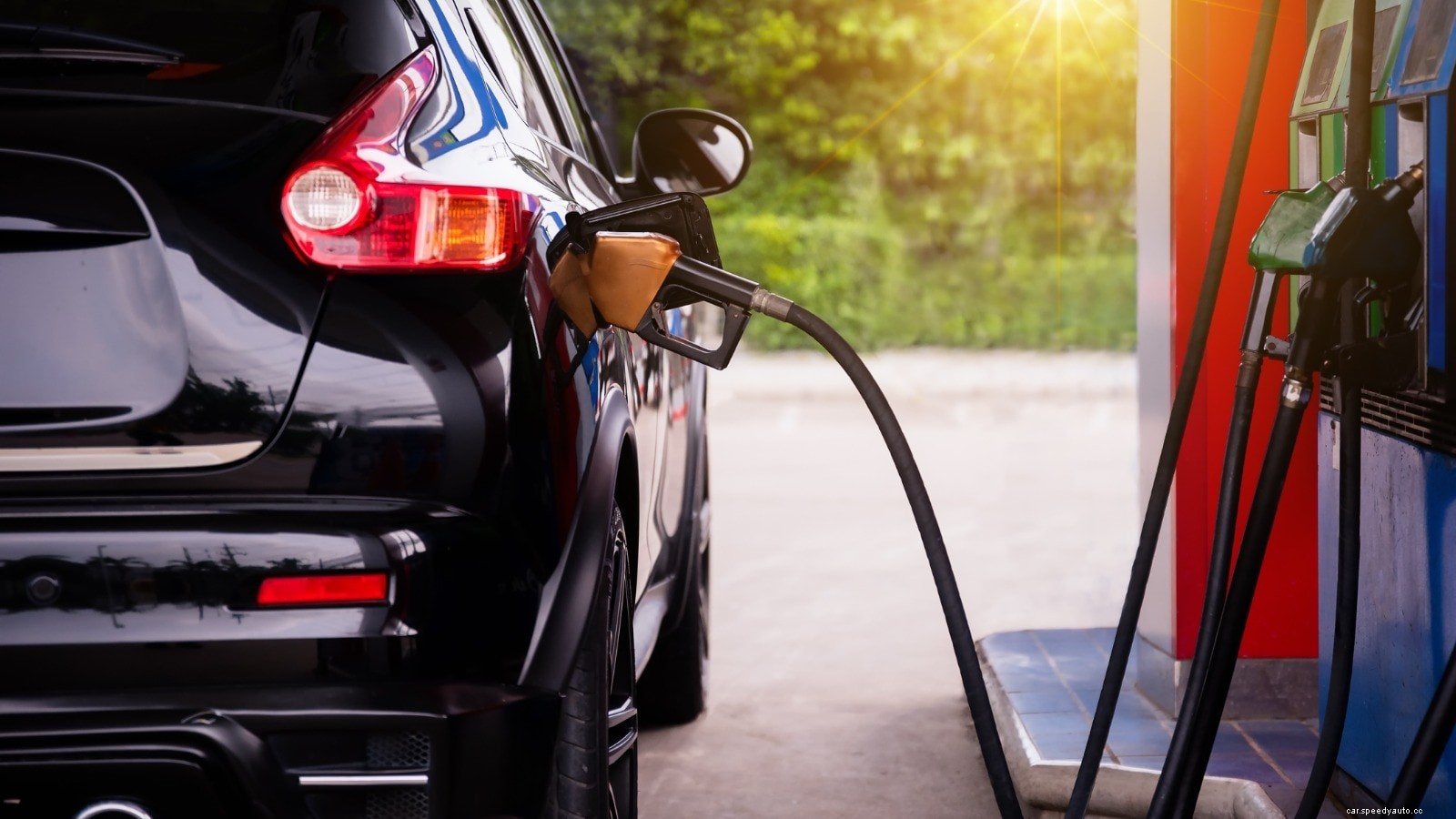
As millions drive 50 miles or more from home during the July 4 weekend, you’ll want to prepare your stops along the way.
Last year, during July 4 weekend, travelers could fill up their tanks for about $3.07 per gallon on average at stations across the U.S. As of this writing, gas prices remain about $4.96 per gallon on average.
RELATED STORIES: How to Get Better Fuel Economy in Your Vehicle
With many families driving large SUVs, trucks, and RVs on vacation, the cost of long road trips can rise to the level of plane tickets, which also increased in price.
Before you head out, check local station prices using your favorite gas app. Gas Buddy, for example, will help you locate stations with the cheapest gas prices along your route. If you drive an electric car, map out your route and locate charging stations ahead of time.
