
Chances are if you’ve been on an airplane, you’ve experienced turbulence. You know what I’m talking about, too. When the plane hits those pockets of air and starts shaking to and fro, sometimes up and down. While you might find yourself white-knuckling it through those turbulent moments, understanding what turbulence is and how it happens can be the key to staying calm during a turbulent flight.
First things first, let’s talk about what actually causes turbulence. As it turns out, the definition is pretty straightforward: turbulence is the unsteady movement of air. For example, if you’ve ever watched rising smoke break up into disorganized swirls in the air, you’ve seen what turbulence can look like, National Geographic reports.
While the definition of turbulence is fairly straightforward, it’s also important to understand what causes turbulence. In many cases, turbulence happens when air passes over mountains. More often than not, that air has nowhere left to go but up. According to National Geographic, those waves of air can break up into different currents, or turbulence. Turbulence can also be caused by thunderstorms, differences in the temperature of the air, and even strong winds.
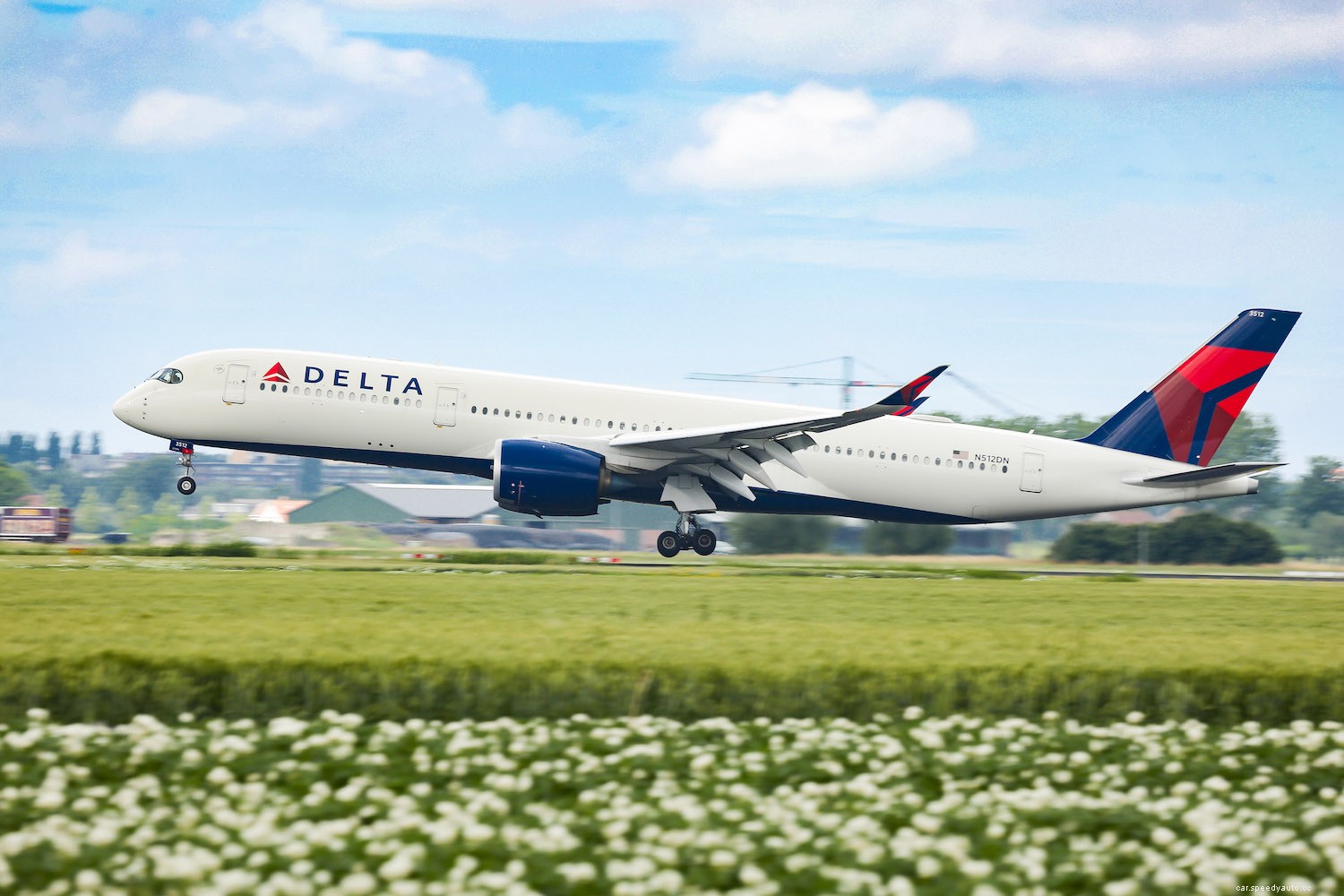
Now, let’s talk about what turbulence does to a plane. When a plane runs into turbulent air, it can change altitude pretty suddenly, Epic Flight Academy reports. For passengers, that sudden change in altitude can make it feel like the plane is dropping out of the sky.
Because a sudden change in altitude can put passengers at risk, most pilots will ask that passengers stay seated and buckled up when a flight is experiencing turbulence. But is it actually dangerous and can it bring down a plane?
The leading cause of non-fatal injuries to passengers is turbulence, the US Federal Aviation Administration (FAA) reports. In fact, each year, approximately 58 people in the United States are injured by it. Additionally, between 1980 and 2008, 298 serious injuries and three fatalities were a result of turbulent air. Of those injuries, 184 involved flight attendants and 114 involved passengers, the FAA added.
While turbulence has been the direct cause of nearly 300 serious injuries, it’s worth keeping in mind that planes are designed to withstand much more turbulence than people realize, USA Today reports. In fact, it hasn’t been the cause of an airplane crash for years.
Sure, turbulence isn’t likely to bring down a plane. But, it can cause a good amount of flight anxiety. The good news is that these experts have some helpful tips for how to stay calm during a turbulent flight:
A turbulent flight can make for a harrowing experience. But when it comes down to it? As scary as it can be, turbulence isn’t all that dangerous. In the end, there’s no reason to let it stop you from traveling.
