
Automatic headlights have been installed on new cars for decades, however, they were mostly found on higher-end luxury models. Nowadays, you can find that handy “auto” setting on almost every car’s turn signal stalk denoting that it’s equipped with automatic headlights. But what if you own an older car, or a car of any age, that is not equipped with auto headlights? Here is how you can install them.
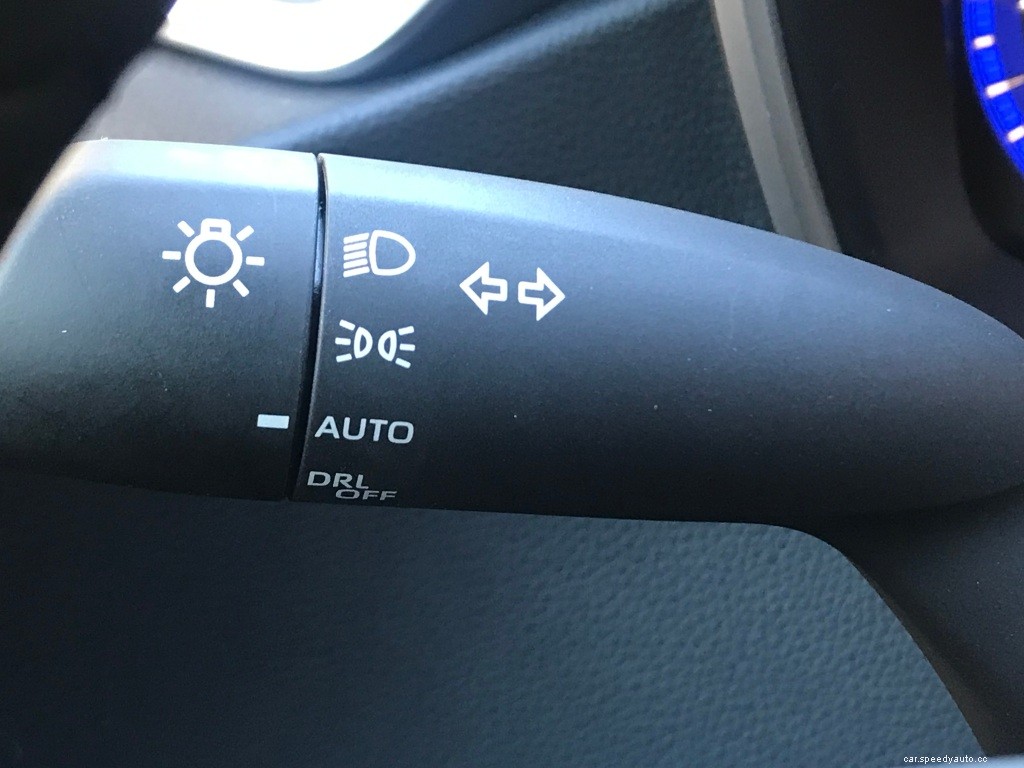
Before you can install automatic headlights in your car, it’s important to understand how they work. In an automatic headlight setup, there is always a photoelectric sensor involved, which is usually embedded in a panel and positioned around the windshield area. When it starts to get dark outside (or lighter), the photoelectric sensor relays the message to a control unit that then turns the headlights on or off, depending on the time of day.
It’s a pretty simple setup and fortunately, there are a number of aftermarket kits that will fit nearly any car, new or old. The best part is that many of them only cost around $40 or so, depending on which kit you buy and where you buy it from.
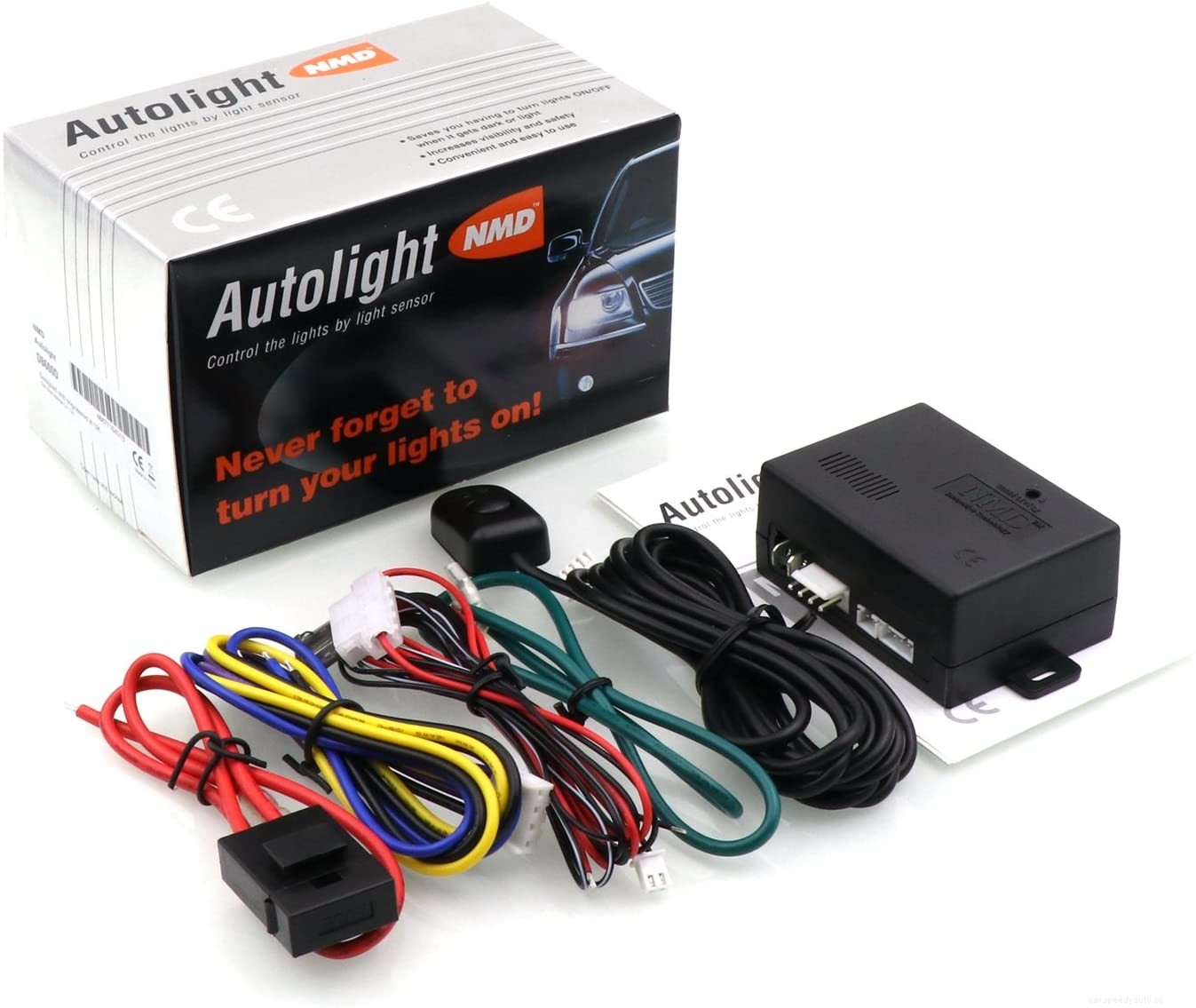
When you purchase an automatic headlight kit for your car, it will likely come with a photoelectric sensor, a control unit, a mounting kit, and some extra wiring to connect everything together. Now, when it comes to installing the kit, the difficulty can vary depending on the type of car that you own. That being said, here are some general instructions that will allow you to install an auto headlight kit into your car:
If you don’t want to deal with the slight hassle of installing automatic headlights onto your older car, then you can always have the job done by a qualified stereo installer. Just note that you may need to pay for an hour (or two) of labor, which may not come cheap.
Automatic headlights were once reserved for high-end luxury cars and exotics, but nowadays, even your old 1987 Honda Civic can have them. All it takes is an auto headlight kit and a little bit of wiring to get the job done.
