
The Great Gatsby’s author–F. Scott Fitzgerald–once wrote, “Let me tell you about the very rich. They are different from you and me.” The uber-wealthy live in different zip codes than the rest of us. They vacation in different locales. And they buy their cars in very different ways. One of the best-kept secrets of the billionaire class is a car buying tax loophole they have been using to get trucks and SUVs for free.
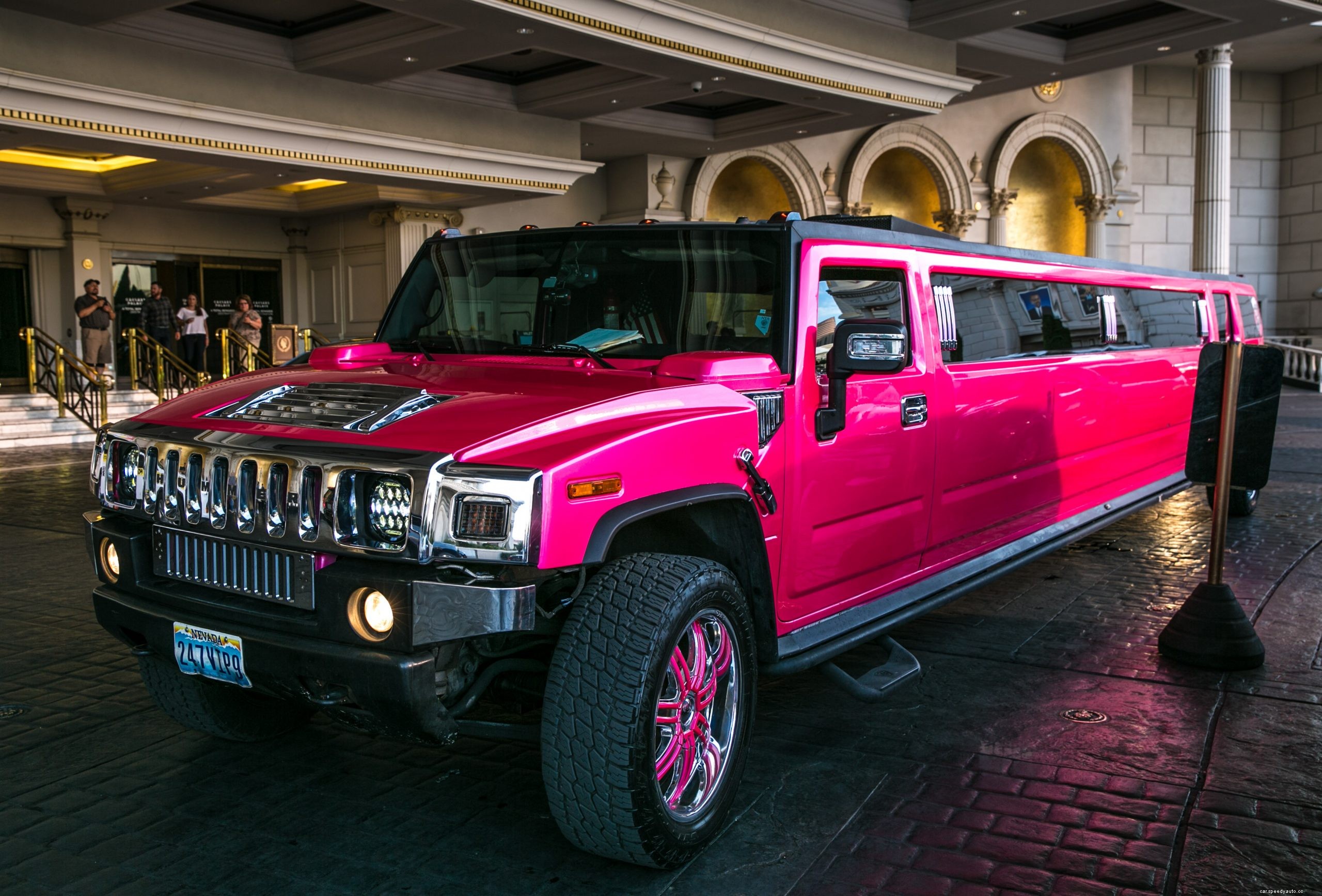
What if I told you that wealthy business owners are essentially getting their trucks and SUVs for free? Successful Americans have invented a way to walk into a dealership, buy themselves a shiny new toy, then write 100% of its value off on their taxes. This tax law is nicknamed the “Hummer Loophole” because benefits are higher for heavy vehicles.
Many dealerships that sell luxury SUVs now provide customers with accounting advice, steering them towards this loophole. If you drive a brand-new, heavy-duty Lexus LX or Lincoln Navigator, you probably already know about the “Hummer Loophole.” Some people even believe the proliferation of full-frame, luxury SUVs such as the Hummer is due to this loophole.
To write off a truck or SUV in your taxes requires several other things. First, you will need to have your own LLC or business. Second, your business needs to be making some money, and thus owe some taxes. Thirdly, the business needs to own the vehicle, not an individual. Fourthly, you need to make the argument that you drive it while doing business, transporting goods for your business, or transporting people for your business. Fifthly, owning an additional private vehicle helps you argue your new purchase is just for business use. Sixthly, to write off more than $24,000 toward your vehicle purchase it needs to weigh more than 6,000 pounds. This weight qualifies it as “heavy equipment.”
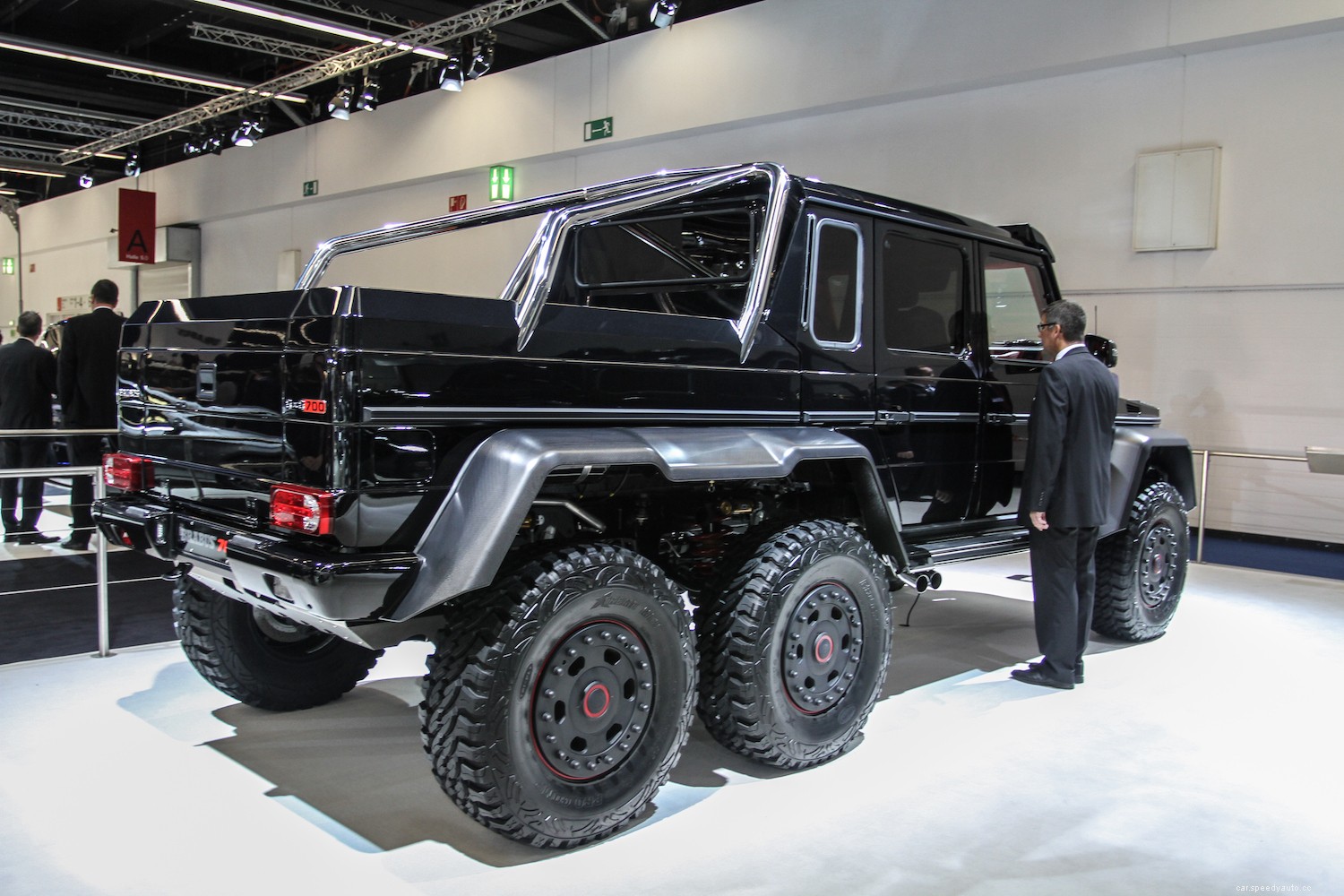
What most people call the “Hummer Loophole” is actually called Section 179 of the tax code. This law allows business owners to list the purchasing price of certain types of property as a business expense. They can then write this cost off on their business taxes.
Vehicles are one type of property that falls under Section 179. The first class of vehicles in Section 179 is cars and light trucks. A business that purchases one of these passenger vehicles can deduct up to $11,610 dollars from its taxes. The next class of vehicles is SUVs & trucks that weigh more than 6,000 pounds (and less than 14,000 pounds). A business that purchases a vehicle in this class can write off up to $25,000 on its taxes.
Three additional classes are exempt from any write-off limitation. A business using one of these vehicles can write off the entire price on its taxes. These classes include “shuttle vans,” or vehicles that seat nine people behind the driver. “Work trucks,” or pickups with a bed six feet or longer. And finally “delivery vehicles” which have no passenger seats.
It is important to note that businesses can purchase used vehicles and still qualify for Section 179. In addition, a business can finance or lease a vehicle and qualify for Section 179. But, when a business owner opts for Section 179, they are essentially requesting to write off the vehicle’s lifetime depreciation in a single year. For this reason, if the business sells this vehicle before it wears it out, it may owe some tax money back. Finally, if you buy a vehicle that you use for personal use as well as business use, you can only write off part of its cost on the business taxes.
There is lots to learn about Section 179. If you are a business owner, talk to your CPA about Section 179. You can also learn more about it in IRS publication 946.
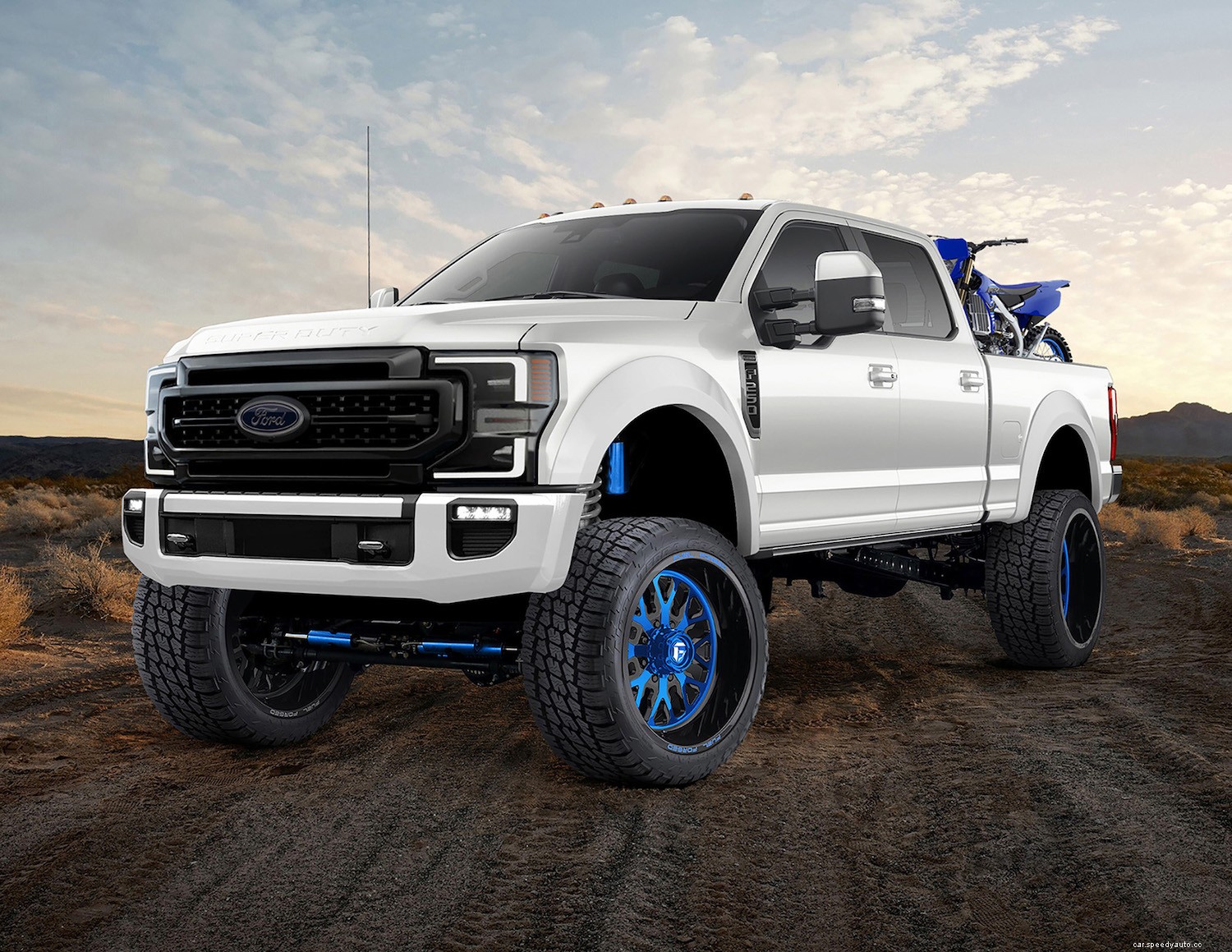
Many vehicles may qualify for a Section 179 business tax credit–or the “Hummer Loophole.” These include cars and trucks with a gross vehicle weight of over 6,000 pounds, which qualify for a credit up to $24,000. These also include vans that hold more than nine passengers “behind the driver,” delivery vehicles with no passenger seating, and work trucks with beds six or more feet long. Here are a few vehicles that may qualify for a Section 179 credit. Again, consult your CPA for more information.
Shuttle vans (when equipped with 9 or more passengers behind the driver): unlimited available tax credit
Work trucks (full-size pickups when equipped with a 6+ foot bed): unlimited available tax credit
Trucks and SUVs (if between 6,000-14,000 pound GVW as equipped): $24,000 maximum tax credit
