
“Shift, car! Shift!” my friend exclaimed as she floored her Toyota Highlander Hybrid onto the freeway. “It doesn’t have any gears,” I told her. “It has a CVT.”
It occurred to me that my friend had no idea what that meant and there are probably many other drivers with CVT-equipped cars that have no idea either. If your car has a CVT, or if you’re planning to buy a car equipped with one, then here is what you can expect from it.
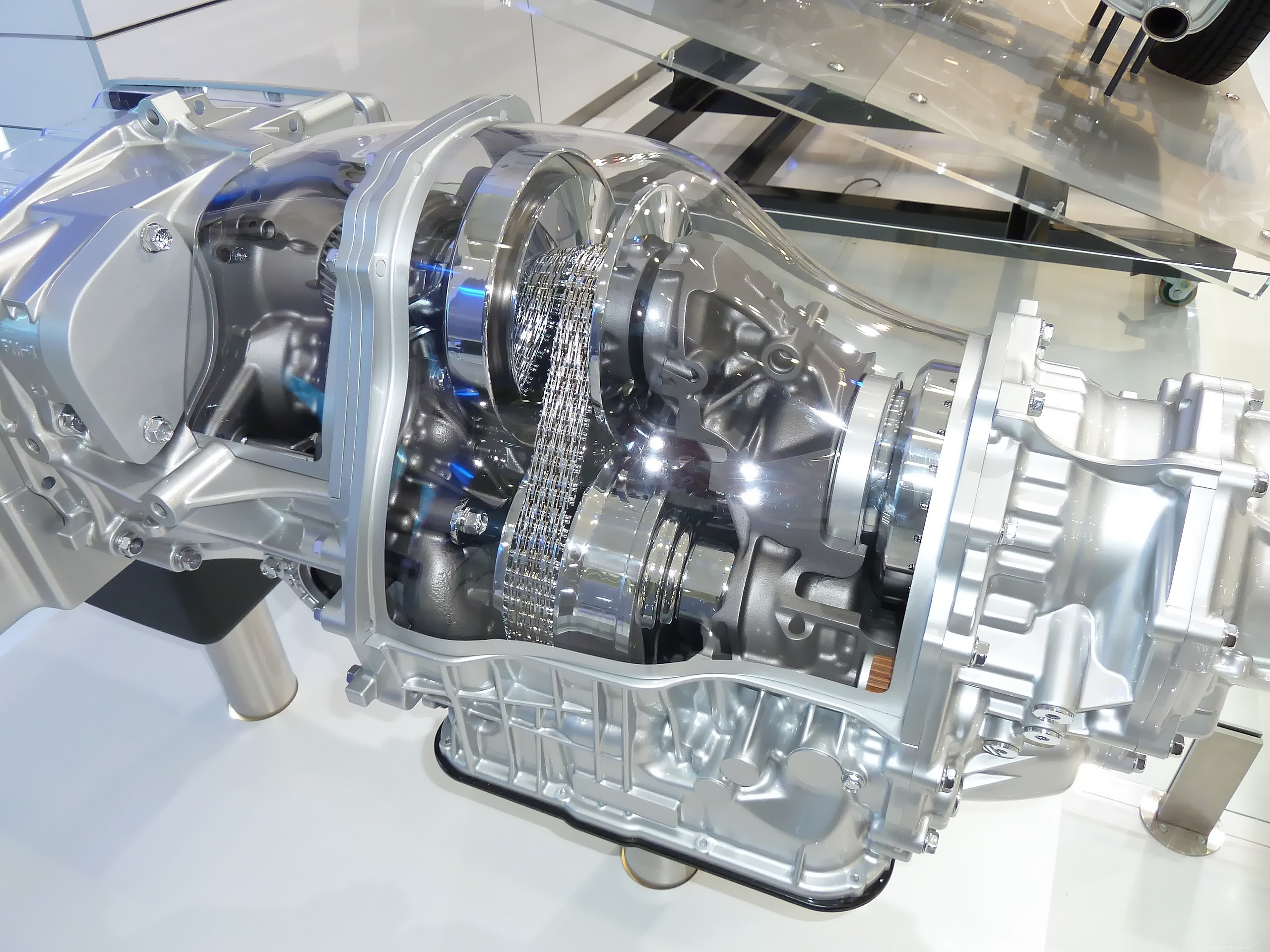
For the unfamiliar, a CVT is a “continuously variable transmission.” It’s called that because it uses two pulleys – driven by a belt – to seamlessly change through infinite gear ratios while you drive, unlike a traditional geared transmission that usually only has five or six gears to go through.
Due to this seamless transition between infinite gears, Car and Driver notes that the CVT has also been commonly referred to as a “single-speed,” “shiftless,” or “stepless” transmission. You probably won’t notice much of a difference when driving around town. However, upon harder acceleration, like when getting onto the freeway or passing a car at speed, the CVT will keep the car pegged at a really high RPM, which may be out of the ordinary for many drivers that are used to geared transmissions.
In reality, this shiftless nature of the CVT makes acceleration from a stop much smoother and allows for better fuel economy, since the car’s engine is always in the optimal RPM range as you drive.
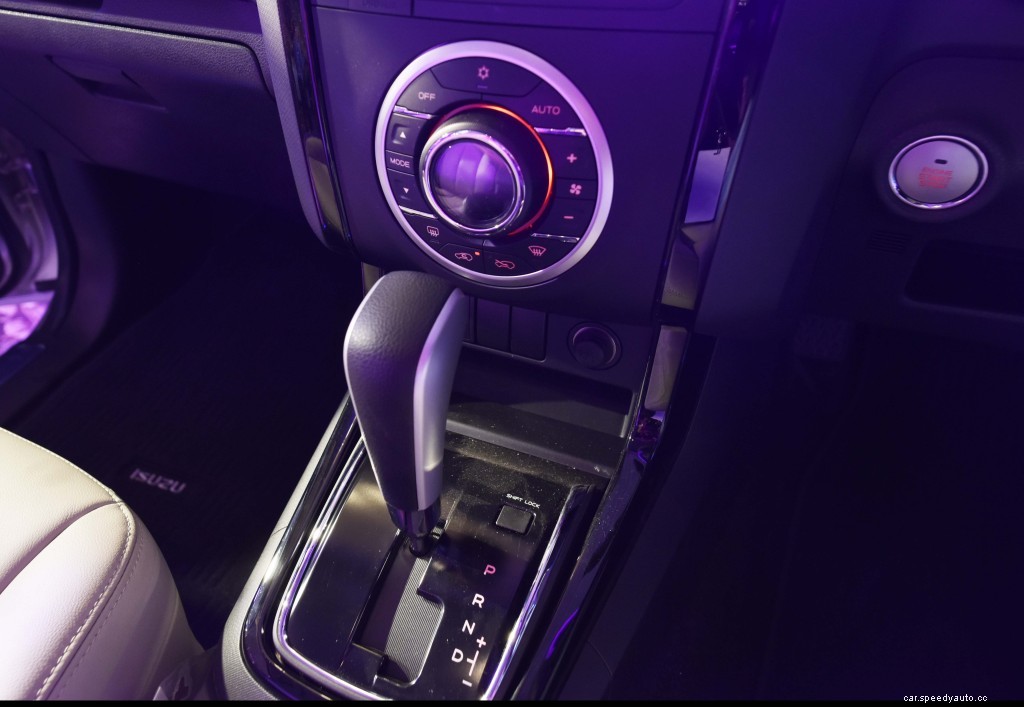
While the inner workings of a CVT may seem like rocket science – or transmission science – driving a car with one is not. Just like any normal car, you put step on the brake, shift the car into “D,” and drive. However, here are a few tips that will allow any driver to drive a CVT-equipped car more efficiently.
A CVT can undoubtedly make for a fuel-efficient driving experience, however, if you’re planning on buying a used car with a CVT, then here are a few things to look out for:
Ultimately, while CVTs are unique in their operation, they do a lot in terms of getting the best fuel efficiency possible. After all, that’s why automakers like Jeep, Honda, Toyota, Nissan, and many others utilize these transmissions in all of their popular models. Just remember, it may take a little time to get used to a CVT, so don’t be surprised when you get onto the freeway and expect it to shift gears. Technically speaking, it won’t.
