
Article Highlights:
Imagine riding along in an autonomous vehicle facing your co-workers as you close a meeting before even getting to the office. It is cool to think about, but what about those of us with motion sickness? Simply thinking about facing the car’s center or backward is enough to make some people queasy. Apple believes they have a solution, and it might be just the compliment that the incipient “Apple Car” and other autonomous vehicles need to ease some stomachs. Virtual reality might be coming to a drive near you.
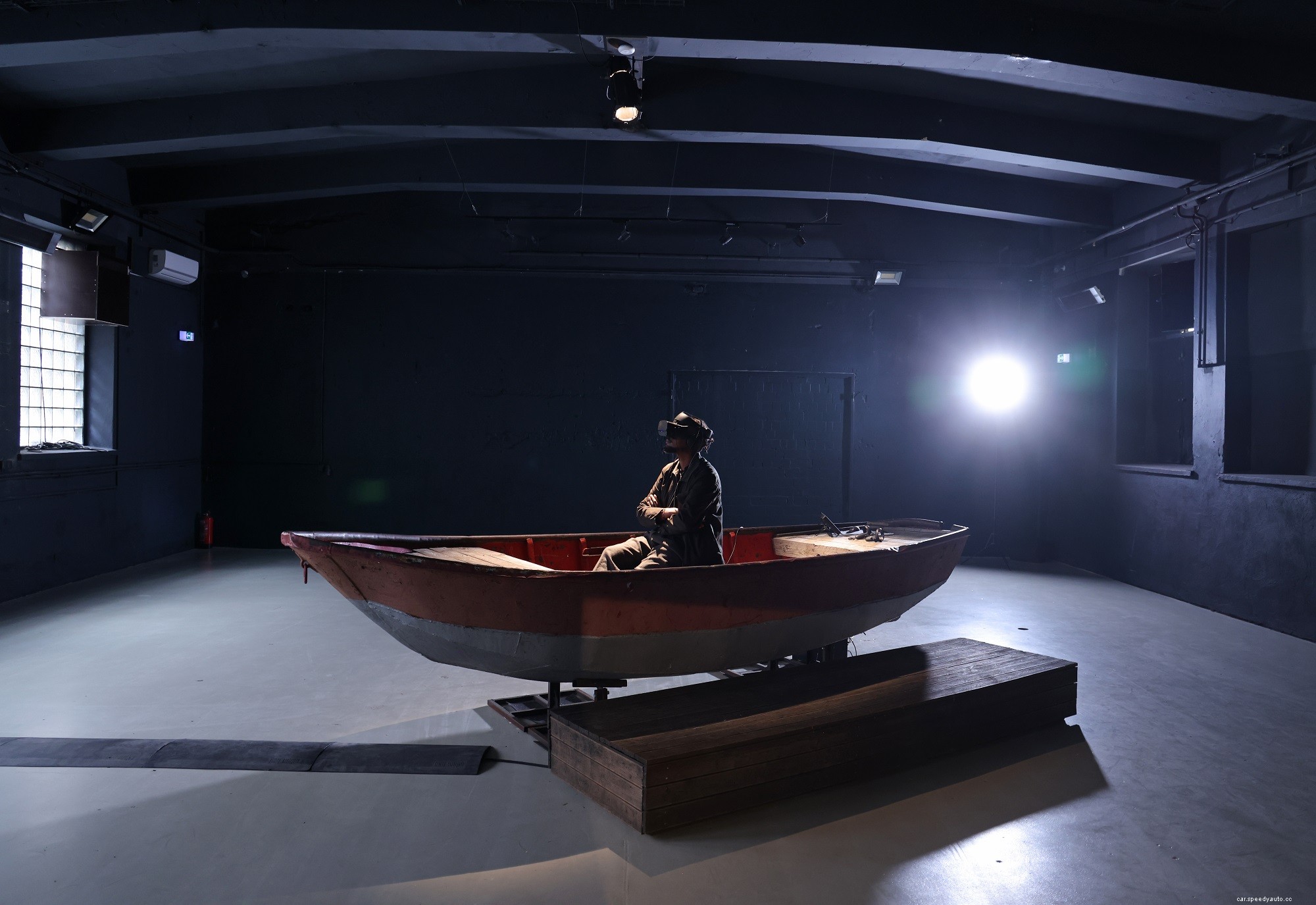
Virtual reality (VR) is sensory exposure technology surrounding an individual using at least visual and auditory input to engage a participant. This can be as simple as putting on a pair of VR glasses with headphones. Once the wearer is using this technology, often their entire field of vision is occupied by what is on the screen. This has awesome entertainment applications, like video gaming, but Apple thinks that it can be used to combat motion sickness.
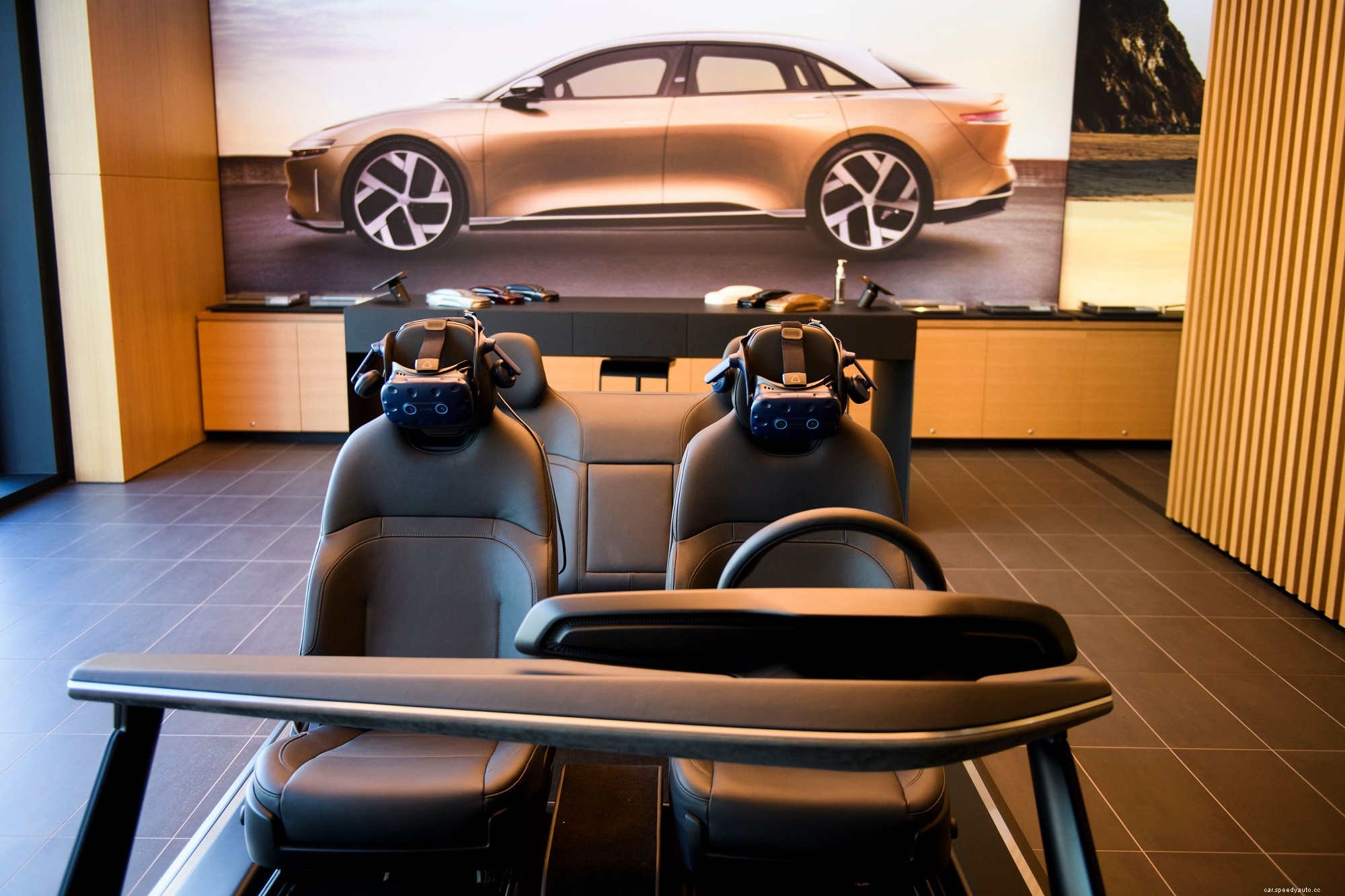
Using VR to mitigate motion sickness is based on matching the vehicle’s movements with the viewer’s peripheral environment. Specifically, a sickness-prone passenger will use a virtual environment that will adjust to reflect the vehicle’s motion with peripheral visuals. Additionally, Apple’s patent shows a seat that may incorporate motion to match a virtual environment. The virtual environment matching the vehicle’s motion with potential tertiary movement may present an alternative to medications or the favorite remedy of picking a horizon focal point.
It is an exciting prospect, if difficult to believe. However, given how many people are afflicted by motion sickness, a VR solution may be far preferable to existing remedies. VR may also be able to integrate functions that make mobile work even more straightforward.
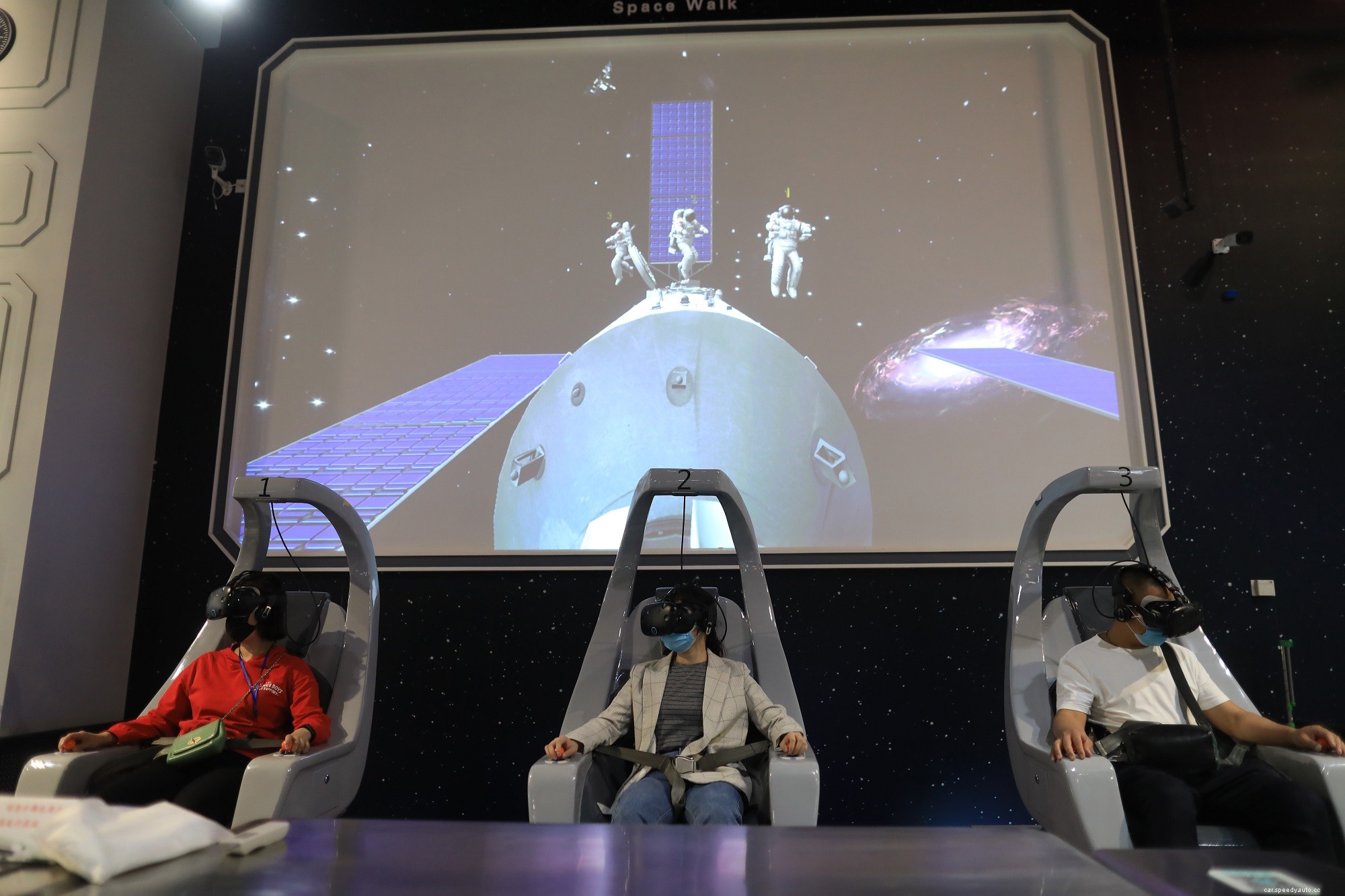
Apple’s patent requires the integration of sensors, navigation, 3D mapping, and rider preferences. Once these factors are working together, a VR system-equipped vehicle will use the technology to remedy the passenger’s sickness, in theory.
MotorTrend reports that judging from the patent, the first Apple VR systems appear to have an Apple Car application. To the consumers, that means the first practical designs will probably come to fruition around the time of the first Apple Car autonomous vehicle launch. Scroll down to the following article to read more about virtual reality in the automotive industry.
