
Drunk drivers, slow-ass left lane cruisers, and idiots on smartphones aren’t the only ones looking to crash into your freshly coated automobile. Reports show that nationwide, U.S. drivers had a 1 in 116 chance of an insurance claim involving an animal collision or animal damage.
These may sound like trivial numbers, but a report from Vox illuminates the real risks of wildlife collisions. In the United States alone, animal related car accidents cost over $8 billion dollars a year in vehicle repairs, medical bills, clean-up costs, and more. This same report illustrates that North America’s roadways also threaten 21 different kinds of endangered species, and with more drivers on the road than ever before, the risks are greater than ever before.
So what about all those fancy safety features that modern vehicles are packing? Consumer Reports analysis claims that while 61% of all new cars do indeed come with some form of automatic emergency braking technology with pedestrian detection, the majority of these systems will only recognize humans and large animals. Ever hit a really big raccoon or a feral hog? Those bastards will fuck a car up. Big time.
So where are the riskiest areas? Who’s in the most danger? What should be done in order to avoid hitting an animal with a motor vehicle? And most importantly, what do you do if you hit an animal while driving?
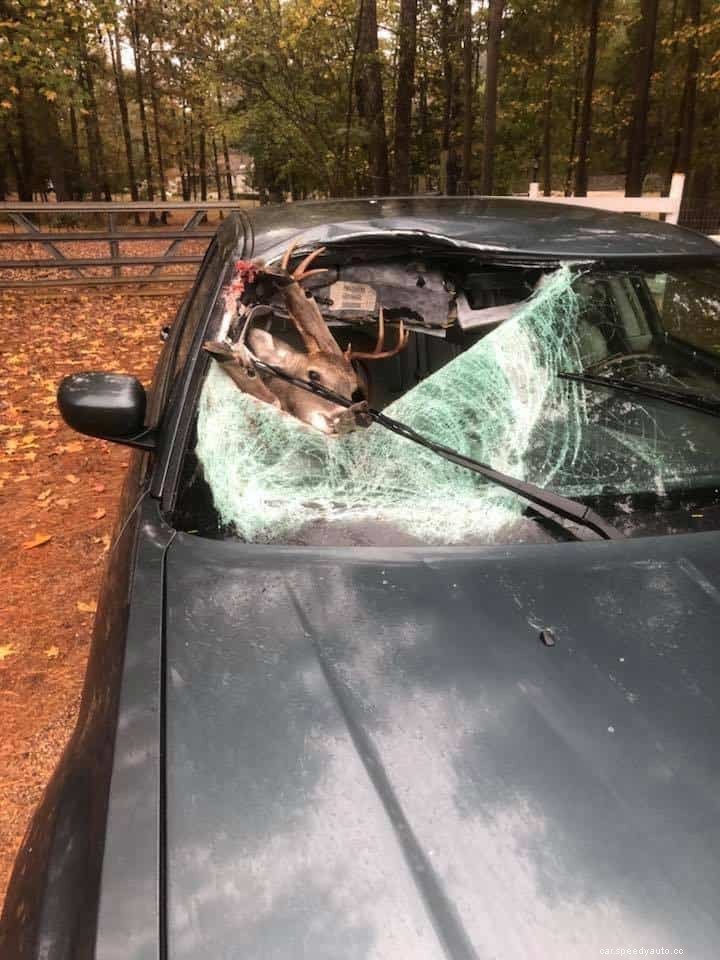
When looking over years of animal oriented car crash statistics from The Insurance Institute for Highway Safety (IIHS), it becomes obvious that “from 1975 to the mid-2000s there was a general upward trend in deaths from collisions with animals.” Fortunately, this trend has levelled off over the course of the past decade, likely due to advancements in semi-autonomous automotive safety technologies, the stopping power and control associated with modern tire compounds, and brighter headlights.
On the downside, the IIHS reports that collisions with wildlife are often accompanied by secondary impacts, many of which are more severe than the contact with the animal itself. According to an IIHS, while 77% of the animals involved in fatal accidents tend to be deer, the remaining fatalities are associated with creatures like cattle, horses, dogs, bears, cats, and opossums.
While hitting an opossum on the prowl while going full speed probably won’t cause a deadly crash, swerving to hit the furry little fella definitely ups the chances of shit going sideways in a hurry. By the numbers, Texas continues to lead the way in animal-related vehicle deaths; numbers that the IIHS says are likely related to Texas’ vehicle-to-animal ratio, and the sheer number of rural roads in the Lonestar State.
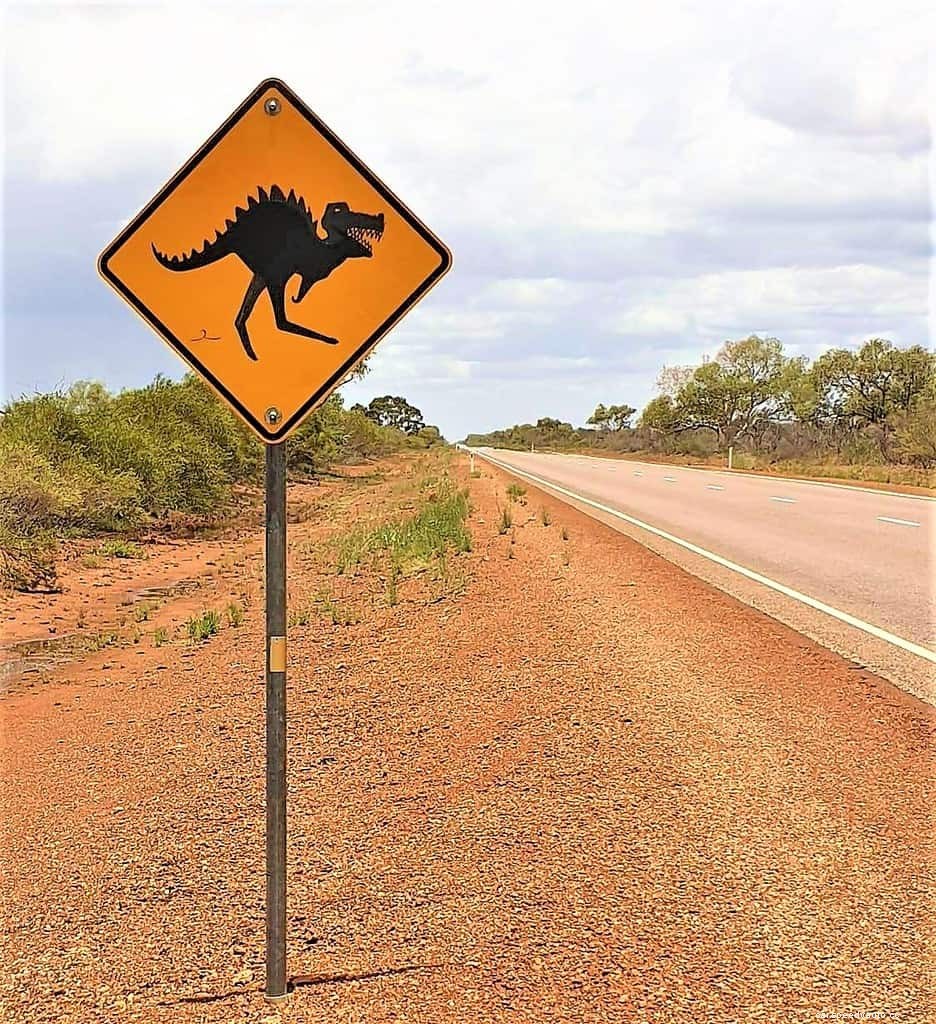
Insurance agency, State Farm, has released some statistics as well, which focus on wildlife related crashes, and not just fatalities. According to collision statistics, West Virginia remains at the top of the list for being the state with the highest rate of animal related automotive accidents, with a likelihood of 1 in every 37 drivers being at risk. This was followed by Montana (1 in 47), Pennsylvania (1 in 51), and South Dakota (1 in 53), with Michigan, Wisconsin, Iowa, Mississippi, Minnesota, and Wyoming rounding out the top ten. As expected, Hawaii had the fewest collisions, with only 1,400 reported incidents, the majority of which were more than likely caused by that invasive asshole, the Mongoose.
State Farm’s annual went on to show that between July 1, 2019 and June 30, 2020, over 1.9 million animal collision related insurance claims were filed in the United States alone. Break that down to risk analysis, and it means that the average U.S. driver runs a 1 in 116 chance of having an animal related automotive accident when they get behind the wheel.
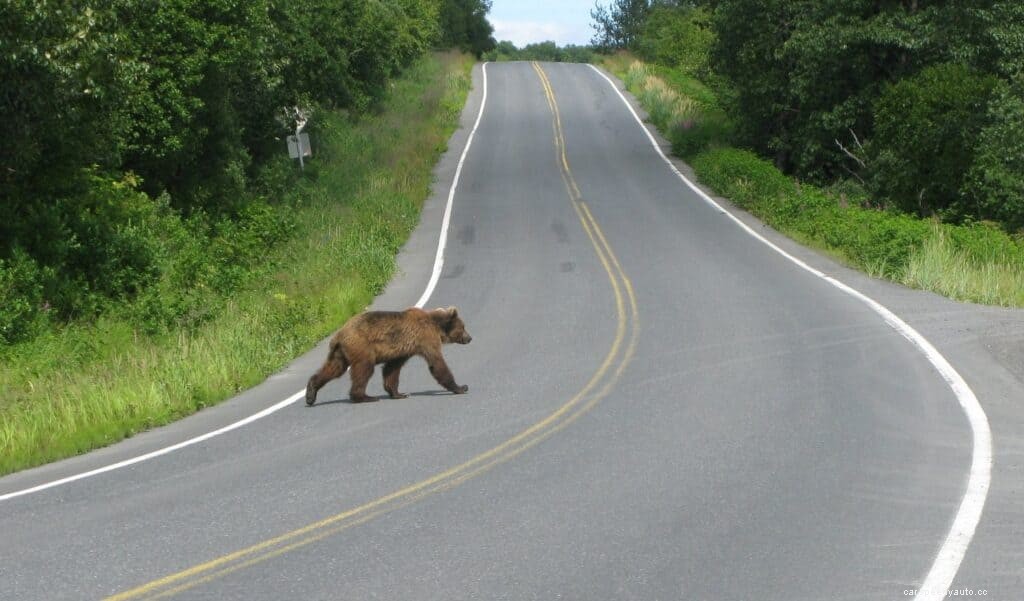
When it comes to driving and animals, there’s way more to worry about than a few unsightly bird droppings on your windshield. To illustrate this fact, Consumer Reports released a nifty interactive map showing what states have the highest chance of hitting a critter, and threw in some useful tidbits of info to boot that warrant mentioning.
While running over little critters will definitely trigger some form of emotion, may it be tears of remorse or a profane stream of foul language, the damage inflicted by wee beasties is peanuts when compared to big game. Ever see footage of what happens to a vehicle when it hits a moose while going full speed? It ain’t pretty.
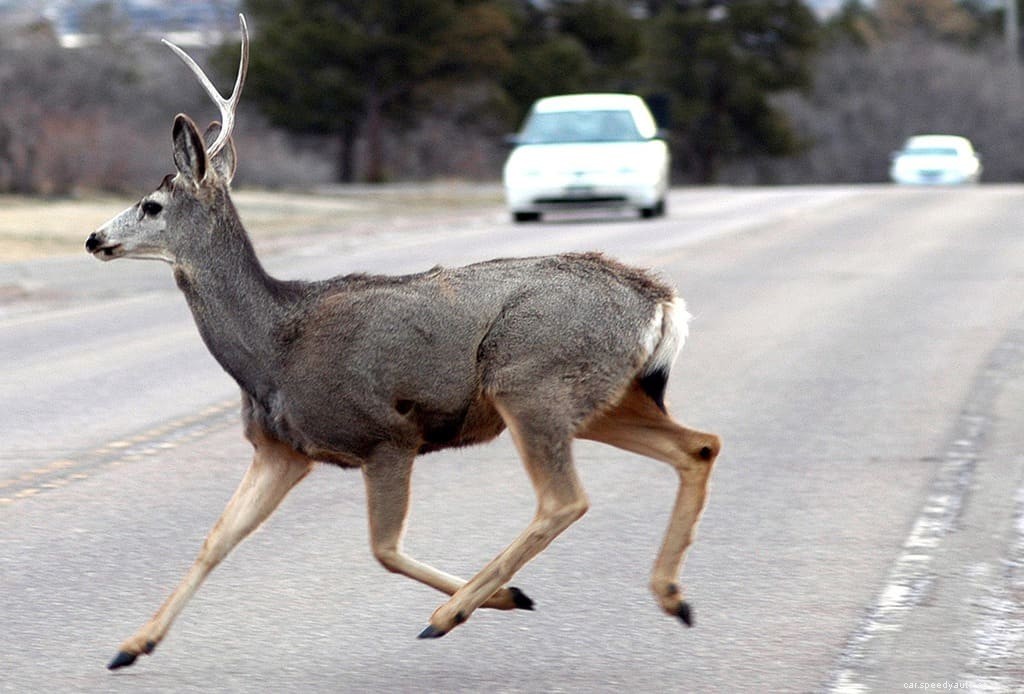
However, reports of drivers striking larger creature like elk, moose, or bear are but a tiny sliver of the pie when compared to the most prevalent roadkill critter: Deer. Fast moving, easily blinded by headlight glare, and heavily overpopulated, deer are the number one cause of animal related accidents in North America, year, after year, after year…
A report conducted by The Northern Kentucky Tribune, shows that in Kentucky alone, the state police responded to a whopping 3,097 deer collision related crashes in 2019. As with most other states, the majority of these crashes occurred during the months of October, November, and December, which you shall soon discover, is considered “peak deer collision season” for a reason.
“Fall brings the dangerous combination of the deer being more active when we’re driving more in the dark due to the shorter daylight hours.”
-Jen Stockburger, director of operations at Consumer Reports’ Auto Test Center.
Interestingly enough, the report shows that drivers who struck, or were struck by deer, incurred far less damage than those who attempted to swerve around these hooved beasties. People jerk the wheel to avoid hitting a deer, only to plow into a tree. Am I the only one seeing images of a frying pan and a blazing fire right now?
As for the reasoning behind the annual spike in deer-related deaths in the months of October, November, and December, that has everything to do with the act of making whoopie. Deer are most active (both sexually and physically) during the brisk autumn/early winter breeding season, and will travel great distances, as they track the scent of a potential mate. These creatures are also most active at dusk and dawn, a time when human eyes are typically fatigued and poorly adjusted to the gloom. Long winter nights don’t help matters much either, further increasing the risk of deer-related road accidents.
While wildlife crossings like the ones in the video above would significantly lower the risk of vehicular collisions with wildlife, these structures are few and far between in most parts of the world. So until more of these animal crossings materialize, your best bet is to keep the following tidbits of driving advice in mind.
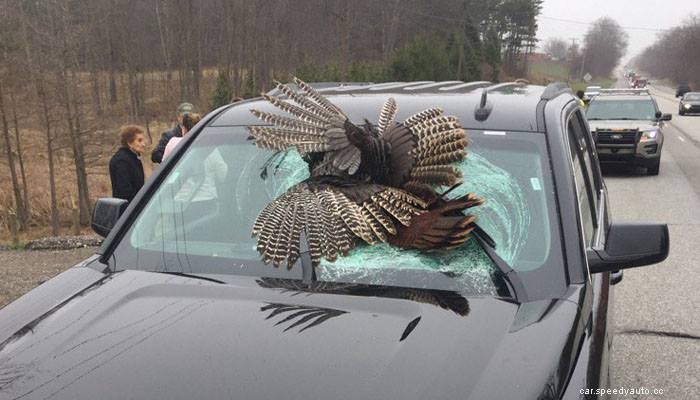
Farmers’ Almanac has the following advice to offer when wildlife suddenly appears out of nowhere. If you know that an impact with a large animal is imminent, lean toward the door frame. When large creatures are hit head-on by a vehicle going at high speed, they tend to roll over the vehicle, crushing the center of the windshield and roof, which is why the urge to lean into the center of the cabin should be avoided.
Collision with unfortunate slab of venison complete, State Farm recommends doing the following:
Speaking of insurance claims, how much does one’s insurance typically go up after striking a large animal like a deer? Progressive says this depends on your state of registration and insurance provider. Things like vandals leaving permanent marker related car paint stains, and damaging incidents involving animals are commonly labeled as “random events that you have little control over.” This lands them in the “not-at-fault accident bin,” which in most states, translates to a zero increase in insurance rates.
However, it is always best to check with your insurance provider, as drivers with minimum coverage may not be covered in the case of an animal related accident. This is just one more reason why comprehensive coverage is worth the extra cost, as it not only covers random incidents like theft, fire, and vandalism, but most accidents involving wildlife. This is not to be mistaken with collision coverage, which is used to pay for the repairs a vehicle requires after hitting another car or inanimate object, like a guardrail or a tree.
Quick Final Nerd Note: Even with comprehensive coverage, you will still have to pay a deductible in order to file a car insurance claim after hitting an animal with your car. This deductible is what you agree to pay out of pocket to cover an auto accident claim, and must be agreed upon when purchasing comprehensive or collision coverage.
