
Cleaning and protecting surfaces from unsavory outside influences. It’s a constant battle, and one that never truly can be won, especially when the person applying said product is hurting instead of helping.
Here at AvalonKing, we’ve discussed everything from common ceramic coating mistakes, to car components that most people fail to clean, and do you know what? That’s just the edge of the oil pan amigo.
Today, we will be turning things up to eleven, and delving into the topic of transportation components that shouldn’t be ceramic coated. Regardless as to whether you drive a vintage muscle car, a 50cc scooter, a prop plane, or a damn tug boat, there are portions of each of these machines that should never see a drop of ceramic coating, and here’s why…
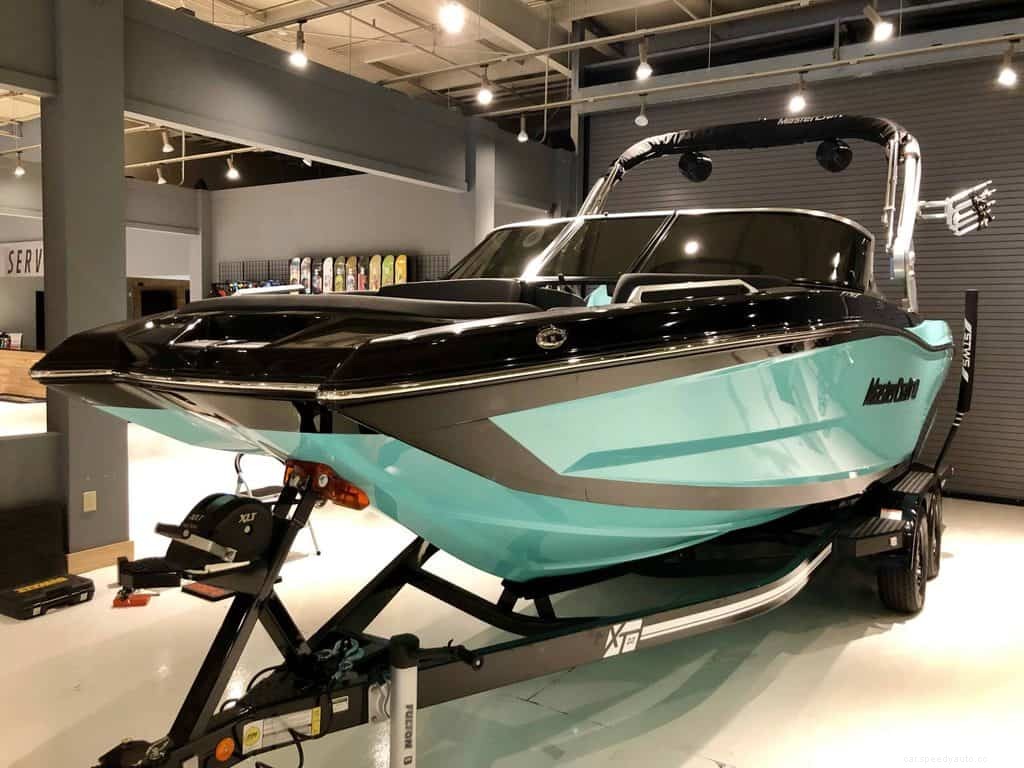
Before we dive into the details, let’s first look at why ceramic coating products like Armor Shield IX work so well, especially when paired with things like a paint protection film. Don’t get your ratchets twisted, because it’s not just automobiles that benefit from this magical man-made elixir either.
A high-grade, 9H-rated ceramic coating packs levels of heat, abrasion, chemical, H20, and impact resistance that border on the extreme. And while ceramic coatings remain far from bulletproof, they are a damn good solution for anyone looking for a semi-permanent protective sealant for a hard surface. Even auto manufacturers have gotten into the ceramic coating game in recent years, as everything from vehicle undercarriages to crucial driveline components get slathered in this rock-hard transparent product.
However, there are limitations to what areas get coated with this revolutionary coating, which leads us to today’s discussion of surfaces and materials to avoid when ceramic coating a mode of transportation. Sure, it would be nice to be able to resist UV rays, repel road grime, and prevent scratches, chemicals, extreme heat, and swirl marks from forming on every square centimeter of every object we own, but at this point in time, that’s just not possible.
We begin with mankind’s preferred form of motorized transportation: The automobile. From an automotive exterior standpoint, you should avoid ceramic coating things like rubber seals, mud flaps, wiper blades, tires, or any other flexible component. Ceramic coatings are engineered to turn into a crystallized shell, so if it bends or flexes, chances are the coating will crack and be rendered useless.
Absorption is another issue here too, as certain seals on older vehicles will just suck the stuff up. It’s a good idea to keep sensors clear from ceramic coatings as well, as it may trigger false warnings, or worse, interfere with their ability to detect danger. And while coating calipers and alloy wheels is perfectly fine for repelling brake dust and road grime, you should never coat the brake pad or rotor itself, as it will only rub off and may cause stopping issues.
A vehicle’s interior adheres to the same guidelines as the exterior, which means anything squishy or silicone should never be ceramic coated. Most vinyl surfaces are fine to coat, but things like all-season floor mats, foot pedals, wrapped steering wheels, and anything encased in microsuede, cloth, or leather should be avoided.
Furthermore, regular and laminated glass windows that have been tinted should never come into contact with ceramic coating, as the two are far from compatible. Simply put, if it bends, folds, contours, changes shape, or rocks a tinted film, chances are it will not play well with a ceramic coating.
The off-road automobile’s hardcore little cousins, the ATV and side-by-side, may be rugged as all hell and well deserving of a 9H-rated ceramic coating, but they too have their own “untouchable areas.” You should always avoid coating things like the seat, as well as stuff like bar pads, seatbelts, mud flaps, and handle grips that are not hard plastic, metal, or vinyl.
On a boat, the deck is best left uncoated, as foot traffic will wear the coating thin in no time. Rubber stops, plugs, and seals are also big no-nos, as are seating materials, sails, and anything rope or rigging related.
From grips and pedal pads, to seat cushions, saddlebags, and exposed silicone lines, the list of “no coat” parts on motorcycles is fairly straightforward. The good news is that the rest of the bike is pretty much fair game, so bring on the ceramic coatings, because bikes need protecting too.
When it comes to ceramic coating aircraft, one has to bear in mind that planes come with their own round of risks. A good rule of thumb here is that if it requires FAA inspection or approval, chances are it shouldn’t get ceramic coated. This includes sensors, as well as the exhaust path for jet engines and any component or panel that may see temps exceeding 440° Fahrenheit.
Quick Nerd Note: Regarding the application of ceramic coatings on the hulls of watercraft, it is worth noting that Armor Shield IX shouldn’t be expected to hold up as long in saltwater as it does in freshwater. Saltwater not only is a corrosion forming, brackish beast of a saline solution, but the salt itself turns into an almost sandpaper-like substance when forced up against a hull at high speeds. Another concern with watercraft, and one that is not oceanic specific, is the build-up of algae along the hull, which over time can mask a ceramic coating. So if you plan on ceramic coating the belly of your freshwater fairing boat, be sure to give it a good scrub along with some additional pressure washing prior to application.
While authentic, high-quality ceramic coatings won’t damage most hard surfaces, they can create problems if applied in the wrong area, or if they are improperly installed. So how can you remove ceramic coating if it has been applied in the wrong area like atop car tires or is no longer required? Forget all of the car maintenance myths the forums are regurgitating on the interweb. Here are three sure-fire ways to remove this space-age nanotechnology.
Chemicals with high pH levels are one of the more common ways of removing a ceramic coating. As they eat into the ceramic coating, the complex, mesh-like bond between atoms breaks down, and the coating is forced to slough off. Just be forewarned, many high pH products will not only remove ceramic coatings, but they will chew-up the clear coat too. So always do your research on the chemicals you plan on using prior to application, and when in doubt, don’t hesitate to reach out to a ceramic coating specialist for advice.
Chemicals and necessary tools selected, we turn toward the actual process of removing the ceramic coating. Here’s what must be done in order to ensure a safe, chemical-based, ceramic coating stripping procedure.
The second, and far safer method of removing ceramic coatings, requires the use of a clay bar, or clay mitt. Friction caused by these products tends to loosen the adhesive properties of ceramic coatings, and thus makes their removal all the easier.
That said, there are some disadvantages to the clay approach, with the primary one being its inability to remove iron contaminants. If this microscopic material is allowed to fully embed into a ceramic coating, or worse yet, the clear coat, you’re going to have one hell of a time removing it.
Disclaimer made, if you still wish to give this approach a shot, here are a handful of useful quick tips…
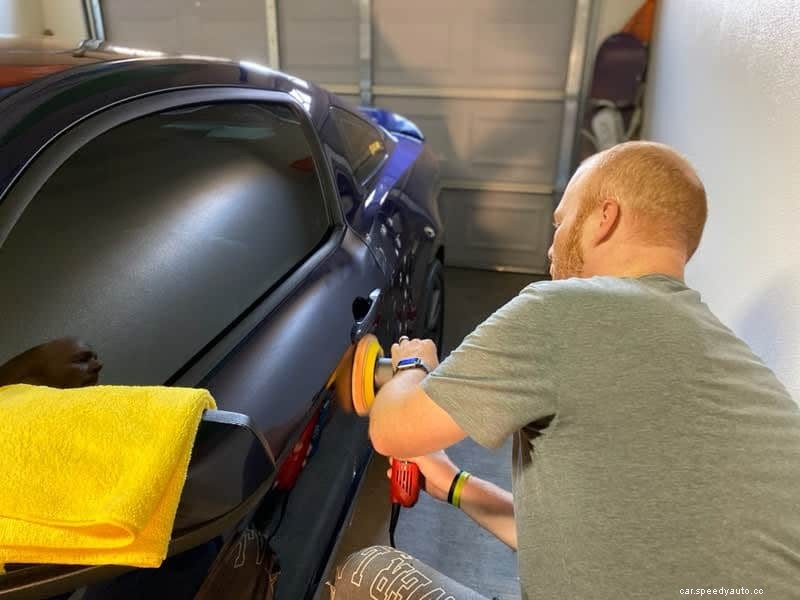
Your final, and perhaps most potent form of ceramic coating removal, is the polishing approach. Used both as a pre-installation ceramic coating failsafe and as a car detailing product removal tool, polishing is just as effective as it is labor intensive. This is also the most challenging form of ceramic coating removal, so having some experience with polishing compounds and buffing tools is a must if you want your finish to turn out alright. We won’t get into the details of paint correction via polishing, for it would take all day. If you’d like to learn more please check out our blog article on paint correction.
As you progressively jump from one grade of cutting compound to the next, and swap-out polishing pads as necessary, you will notice that the surface areas are becoming tacky, or sticky. This is the sign that the ceramic coating is coming off, so keep at it until all traces of the substance have been removed.
Quick Nerd Note: If you plan on paying a company to remove a ceramic coating for you, know that prices are all over the place. The size of the job has a direct correlation with man hours invested, and therefore determine the final bill. So be prepared to drop well over a couple hundred bucks on a professional ceramic coat removal, and remember that once the process is complete, you are going to need to protect all of those exposed surfaces with something.
Pre-installation detailing supplies and removal steps attended to, we now shift our focus toward commonplace ceramic coating mistakes. While you may only need one good layer of ceramic coating protection to keep a surface free from filth and harm, we recommend applying a second coat to ensure that even coverage is applied to all surfaces and that there aren’t any major missed areas.
Unfortunately, this two-step approach allows even more room for DIY car maintenance mistakes, some of which can be pretty damn detrimental. Here are a few of the more obvious offenders, some of which are applicable to all forms of transportation and hard surfaces.
