
RAC research^ found that just a fifth of drivers (19%) say they always check their cars are ‘road-ready’ for making a trip, increasing the potential for breakdowns. Half of drivers (51%) said they sometimes check their cars over before setting out but an alarming 30% said they never do. The RAC is therefore reminding people of the importance of spending some time checking their vehicles’ oil, coolant and tyres to ensure as many trouble-free journeys as possible.
Spending five minutes carrying out these simple checks every few weeks - and certainly before a long journey or an MOT - can save you a lot of time and money in the long run, not to mention help keep you safe on the roads.
To keep things simple, here are 12 simple car checks you can carry out today to keep your car safely on the road and on the right side of the law. To kick things off, here's RAC patrol Matt Woodbridge demonstrating four simple under-the-bonnet checks:
Images: Powell Media
When it comes to preventing a breakdown, remember the acronym FORCES, which stands for Fuel, Oil, Rubber, Coolant, Electrics, Screen wash.
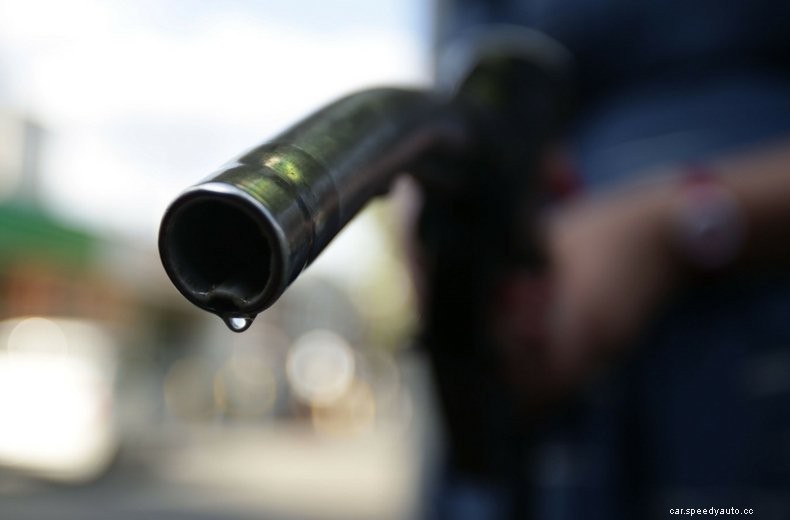
Check you have plenty of fuel in your tank for your journey. It may sound obvious but you’d be surprised just how many people run out of fuel, particularly in harsh winter weather.
Worried about running out? Here's our guide to saving fuel.
Our patrols check the oil level of every vehicle they attend and find one in three are dangerously low. This can cause a breakdown and lead to catastrophic engine damage if left unresolved.
Check your oil level is between the minimum and maximum mark on your car's dipstick and top up if necessary.
If you don’t know which type of oil you need to use, refer to your owner’s handbook or speak to your local dealer.
When it comes to rubber, check both your tyres and wiper blades on a regular basis.
Check your tyres for general wear and tear, splits or bulges, and crucially tread depth. Minimum tread level is 1.6mm, although in winter it’s advisable to have 3mm of tyre tread to help with traction and grip.
Also ensure you’ve got the correct pressure in your tyres, checking your owner’s handbook if you don’t know the correct inflation.
Examine your wiper blades as these won’t last forever and need replacing from time to time due to splits and cracks.
In winter, you can prevent your wiper blades freezing to the windscreen by placing a thin sheet of plastic or cloth, between the wiper blades and the windscreen. Or you can try using de-icer or warm water to free them up before starting your engine.
Check your car’s coolant level. The last thing you need is a frozen engine or for your car to overheat.
Although it’s a sealed system and shouldn’t need to be topped up, you should always double check, especially before a long journey.
Check your coolant levels when the engine is cold and look in your handbook for the correct coolant and mix to use should you need to top it up.
There are plenty of electrics in your car – from headlights and fog lights to your battery – and they all need to be checked regularly to keep you safe.
Have another person walk around the car and make sure your lights are all working, even the number plate lights, as you can be fined for having a registration that can’t be seen.
You should also check your battery, making sure the terminals are clean and tight (cleaning off any corrosion with hot water and applying petroleum jelly) and that the engine starts correctly.
If your engine struggles to start when you turn the key, get the battery checked out at a garage. If your battery is over four years old it may be getting to the end of its life and could let you down.
When you're having your battery tested, ask them to check the starting & charging system and whether anything is draining your battery – this will give a better picture of your car’s overall electrical health.
If you are having your battery test ask them to check the charging system and the drain on your battery – this will give a better picture of your car’s overall electrical health.
Our RAC patrols deal with over 400,000 battery related faults every winter as the cold weather takes its toll on older tired batteries and the wet and ice conditions play havoc with the electrics. Batteries have to work that much harder in cold conditions and they have endure greater demand from extra electrical equipment like the lights and the heater.
Check your screen wash level in the tank under the bonnet, topping up if necessary with a quality screen wash additive or pre-mix, which you can pick up in most petrol stations.
Screen wash is important all year round. In winter snow and grit cause dirty windscreens, while in summer bugs and pollen can easily smear your view – so never put off checking your levels
