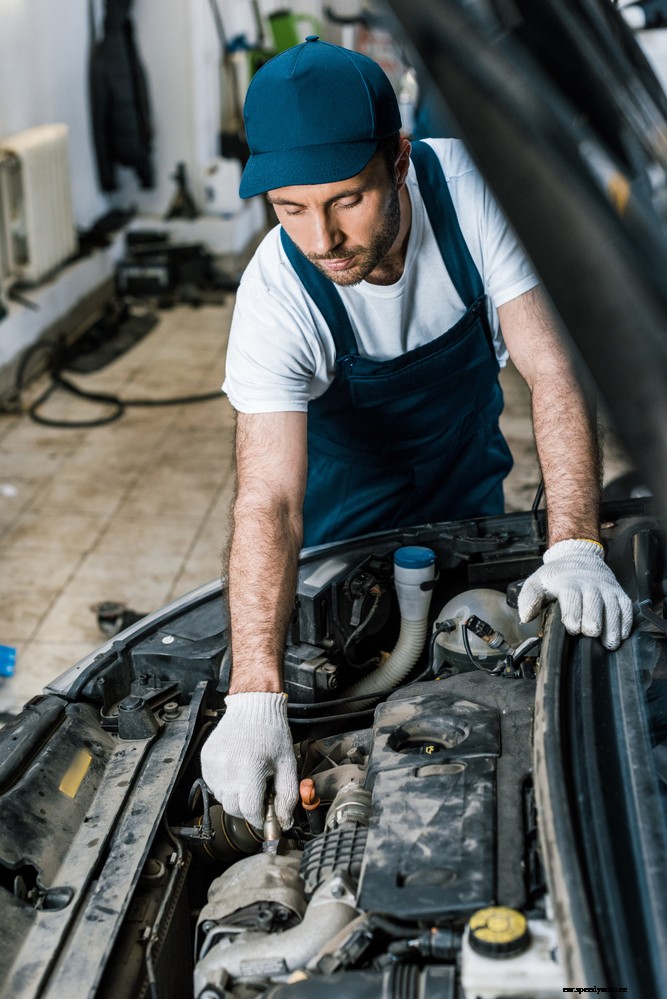
The key to keeping your car happy and healthy is keeping up with regular maintenance. Every car comes with its own recommended maintenance schedule, so it’s best to consult your owner’s manual. But regardless of what car you drive, there are certain car maintenance services you shouldn’t skip and parts of your car that should be checked on a regular basis. This helps extend the lifespan of your car by preventing more serious car repairs.
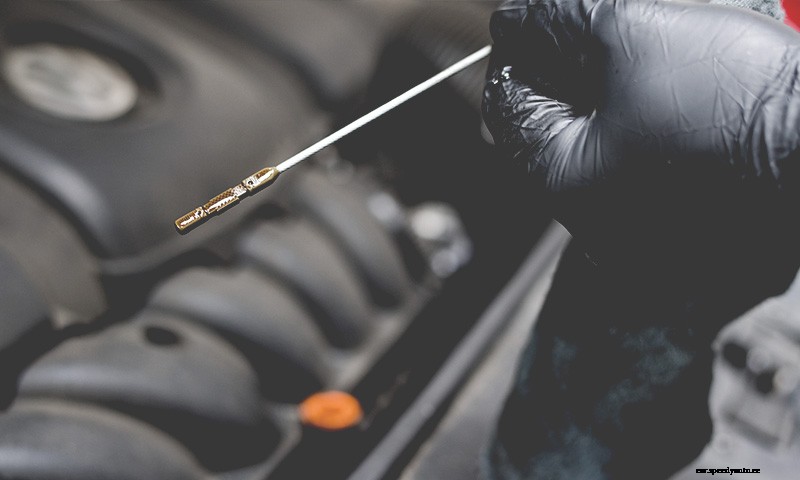
Your car uses several types of fluid in important systems that keep your car operating well. These fluids may be there to lubricate parts or create optimal pressure. Regardless of their purpose, they accumulate dirt and debris over time that can get in the way of those systems doing their job. A few of these fluids include:
The intervals for when you should have these fluids checked and serviced varies depending on your vehicle and driving habits, so it’s best to consult your owner’s manual and a trusted mechanic to make sure you’re keeping up with fluid checks as you should.
Your tires’ health is important to your safety on the road and the drivability of your car. It’s easy to check your tire tread and you should regularly. Taking a look at your tires seasonally is a great way to remember to do it without too much time passing in between. Once you’re able to put a penny top-down in one of the tire treads and see all of Lincoln’s head, it’s time for new tires.
Besides keeping up with new tires, it’s also important to get regular tire rotations and alignments. Both services keep your tires from wearing unevenly. Tire rotation services also check the rest of your suspension system, which plays a big role in your car’s health and drivability.
Possibly the most important part of your car to keep an eye on is the engine. While you can do visual checks under the hood to see how parts look and watch engine temperature, it’s also a good idea to have a mechanic take a look on occasion, too. An engine tune up typically should be scheduled every 30,000-100,000 miles for newer cars or 10,000-20,000 miles for older cars. Your best reference for intervals is your owner’s manual, as well as consulting with a trusted mechanic such as AAMCO’s.
You may also be able to tell an engine tune up is necessary thanks to certain performance problems. A typical tune up service will check your spark plugs, fuel and air filters, battery, and other parts that impact fuel economy and engine performance. Once any of these parts start to wear out, you’ll notice a difference in how your car drives. You may have less acceleration power or notice a bit of a stutter when driving. These can all be signs you need an engine tune up – or at least should have a mechanic carry out an inspection on your car.