
In other words it doesn't matter how nice your car is, rust will come for us all eventually... or something like that.
Here, we run through the car parts most prone to rusting, what rust could mean for your car and our tips for preventing the dreaded corrosion.
There is no set age when cars begin to rust. Over the years, wear and tear can damage protective coatings and leave metal exposed to moisture.
Although older models were made before rust-proofing materials were typically used in the manufacturing process, the most-likely reasons for your car turning into a rust bucket depends on other factors.
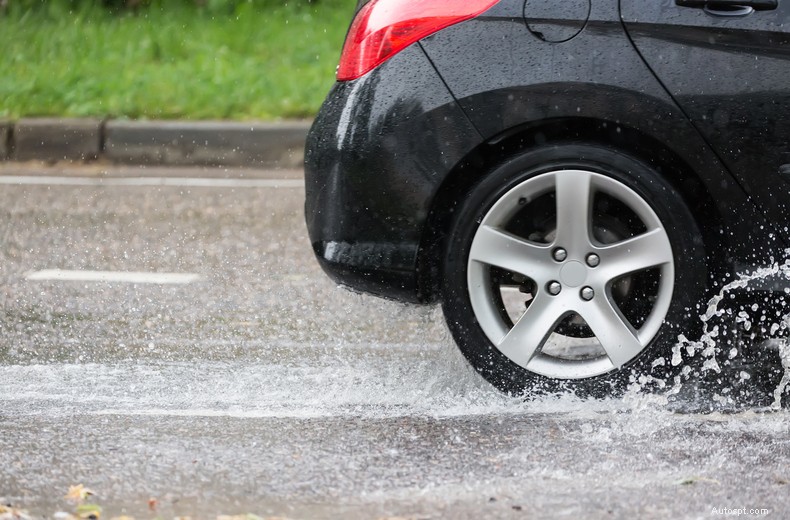
Rust develops when iron reacts with oxygen and water. The oxidising appears as a reddish-brown coat that can lead to corrosion.
This damage usually happens in cars because of a combination of factors:
Generally speaking, there are three kinds of rust:
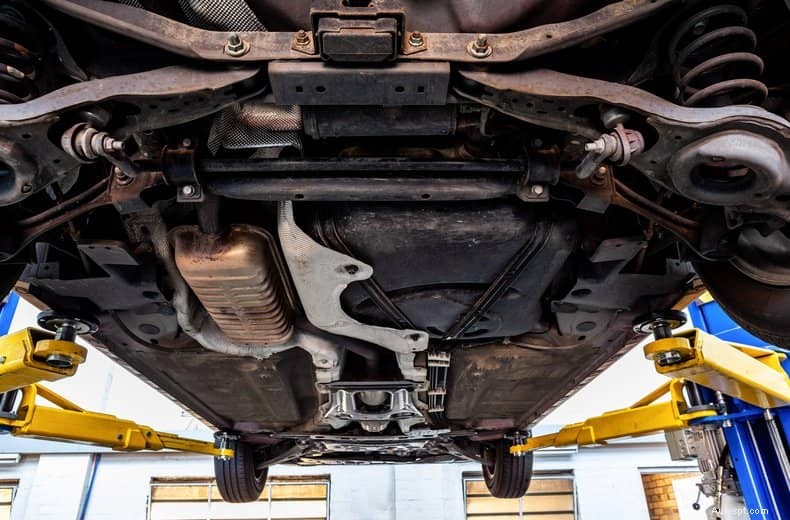
Rust can occur anywhere on the body of a car. In fact, surface rust is often the tip of the iceberg, as it’s common for oxidisation to form inside a panel or part and work its way outward.
The most important thing to look out for is any exterior paint-bubbling. This is often an early sign of rust.
Beyond looking over your car's bodywork, there are a few areas you should pay extra attention to. Check these parts from underneath your car:
You should also check the following:
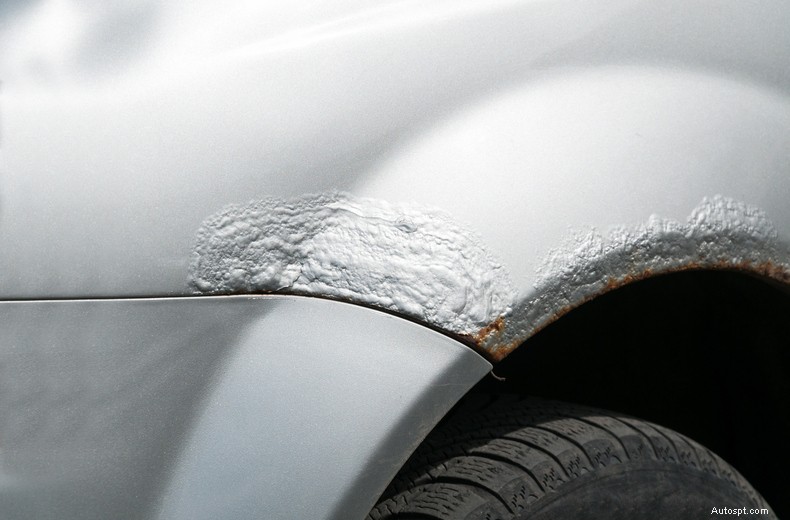
If you’re looking to buy a car and notice signs of rust you should ask yourself a few important questions before deciding whether to part with your cash:
Rust on the surface of the car should be easy to fix, while more serious damage or discolouring to structural parts of the vehicle could mean major repairs are needed.
Make sure you look for signs of a cover up or previous damage that has since been repaired.
Once you’ve assessed the damage you could try asking for a discount on the car’s sale price based on the cost of repairs.
Between buying a second-hand car and repairing any damage, you could be driving a vehicle with visible signs of rust. Ask yourself if you’re comfortable driving a noticeably-damaged car before shaking hands on a price.
Whether rust can be repaired depends on the level of corrosion to your vehicle and where the damage has struck.
Surface rust on paintwork can be easily repaired, while more severe damage on structural parts of the car may need to be completely replaced.
It’s best to visit a trustworthy garage to assess if the damage can be fixed.
The costs of repairs will depend on the location and extent of damage.
Repairing damage yourself may work out cheaper after shopping around for tools and materials, especially when you consider bodywork specialists can charge anything from £36 to £200 per hour for their expertise.
If damage can’t be repaired, you might have to consider coughing up for replacement parts.
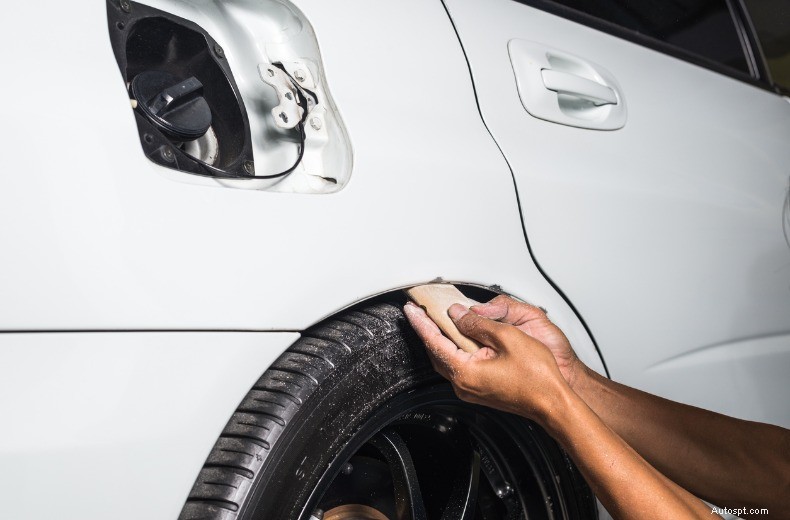
If you manage to catch rust early there’s no reason why you can’t make any repairs yourself.
Be warned, you may need more equipment than you bargained for. Car experts Haynes list 13 different tools and materials for the job:
You’ll need an abrasive surface to remove rust before filling with a glass fibre repair gel. Sanding, filling, more sanding, plus primer and base coats are needed before you can finish the repair with a protective clear coat.
See Haynes’ step by step process for repairing rust damage for more information.
A body shop or trusted garage will be able to help if you find the idea of a DIY fix too complicated.
The decision to repair rust damage yourself depends on a combination of a few things:
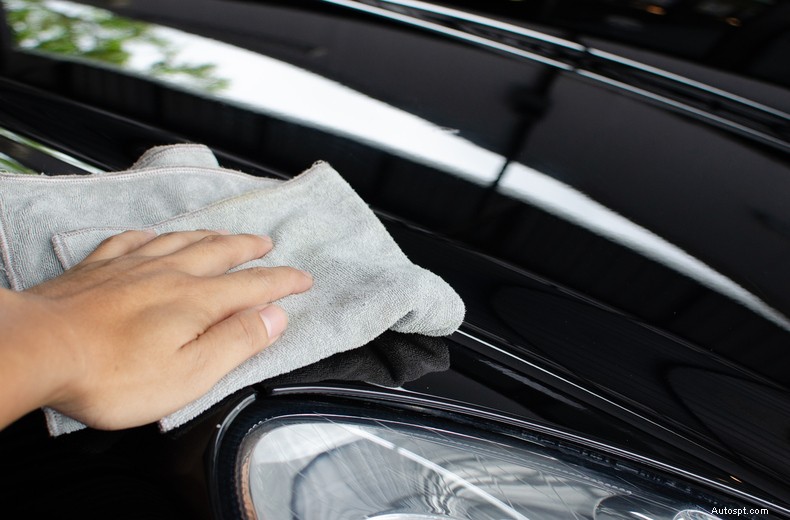
Thankfully, there are a few things you can do stop rust and corrosion from forming.
Rinse and dry
If you live by the sea or have been driving in adverse weather you should try to give your car a quick rinse with water. A once-over with a hose will prevent the dirt and grime of the day settling on your paintwork and eventually rusting.
Just remember to finish the job with a quick chamois rub over.
Add a coat of wax
A coat of wax will add a protective layer to your paintwork. You can even try using a wax injection gun to reach those areas where moisture is likely to collect over time.
Apply oil
WD40 is a great tool in the fight against rust and corrosion, in fact, the WD stands for ‘water dispersant’. Applying the solution with a smart straw will help you drive out moisture from hinges, joints and other hard-to-reach areas.
Keep your car dry
Parking your car in a garage will help protect it from the elements but you might want to go further to ensure it’s safe from rust. After you’ve parked your car in a garage you can try using a dehumidifier to remove any moisture in the air.
The RAC Shop is filled with items to help maintain the exterior of your car.
If your car only shows early signs of corrosion, such as paint bubbling or surface rust, you should be able to fix the problem before it gets too serious. It’s even possible to repair light damage yourself.
You should check how severe any damage is before attempting any DIY work but remember, the quicker you address the problem the greater your chances of fixing it.
If you’re unsure about how to do the job yourself, an RAC approved garage will be happy to help restore your car where possible.
