
Whether you’re driving a Mini Cooper, Mini Countryman, Mini Clubman, Mini Convertible, or another model, the warning lights on the dashboard follow a traffic light colour system:
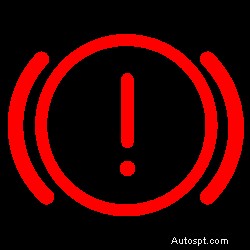 | Mini brake system warning light |
 | Mini check engine warning light |
 | Mini electronic power control (EPC) warning light |
 | Mini steering warning light |
 | Mini diesel particulate filter (DPF) warning light |
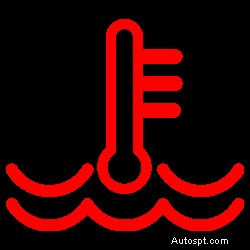 | Mini coolant warning light |
 | Mini oil warning light |
 | Mini low tyre pressure light |
 | Mini battery charge warning light |
 | Mini anti-lock braking system (ABS) warning light |
 | Mini ESP/ASR warning light |
 | Mini AdBlue® No Restart Warning light |
 | Mini automatic transmission / gearbox warning light |
 | Mini brake light bulb warning light |
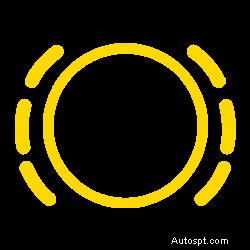 | Mini brake pad wear warning light |
 | Mini diesel engine pre-glow warning light |
 | Mini Direct-Shift Gearbox (DSG®) transmission too hot warning light |
Not sure what that yellow flashing symbol on your Mini dashboard means? Read our guide to find out what each warning light means and what you should do if they light up.
The modern Mini is filled with lots of sensors that monitor how each system in the car is behaving. The lights on the dashboard display what systems are in use and they also highlight when one of those systems isn’t working as it should.
If this red light remains on after you fully release the parking brake, or comes on when you’re driving, it could indicate that either the brake fluid level is low or that the Automatic Braking system isn’t working properly – in which case the ABS warning light will also be illuminated.
You shouldn't risk it. The brakes are one of the most important safety features of your car, so it’s important to act immediately when you see this red warning light.
If the red brake warning light comes on when you’re driving you should pull over and stop as soon as it’s safe to do so. Unless you know how to check your brake fluid levels yourself, this will be one for the professionals, so get yourself to a garage.
Don’t risk driving when your brakes aren’t functioning properly: call for recovery.
When the check engine warning light is illuminated it’s often accompanied by tell-tale signs that the engine is not working properly, such as a lack of power or stuttering as you press the accelerator. This light could indicate a number of faults, from minor issues like a broken electrical sensor to a much larger mechanical issue.
If the check engine light comes on you should get your car looked at by a mechanic. By continuing to drive you could risk causing further, potentially irreparable damage to your engine.
Use our search tool to find your nearest RAC approved garage.
EPC is a computerised ignition and engine management system. This warning light usually signifies that there’s something wrong with the throttle system, and is often accompanied by other warning lights such as the check engine light or the stability control warning light.
You’ll probably notice that the engine is not functioning properly, and the car may feel sluggish to drive as the computer may automatically put the car into a ‘safe’ mode.
If the EPC light comes on you should still be safe to drive but you should proceed to get it checked out straight away to prevent further damage, as the severity of the problem could vary greatly.
Also known as the EPAS (electric power-assisted steering) warning light, this indicates a problem with the power steering.
If the power steering system fails you will notice that the car is harder to manoeuvre and you should take extra care – it could be dangerous to drive at high motorway speeds without power steering assistance.
For electric powered systems, this problem could be as simple to fix as rebooting a computer. Find a safe place to stop and try turning the car off and back on again. If the light stays on you should take your car to get checked as soon as possible.
This light will come on if there is a problem the with diesel particulate filter, which removes harmful soot from the exhaust gases to reduce emissions. It could indicate that the filter has become blocked with soot.
As well as releasing a plume of toxic black smoke every time you press the accelerator, driving with a blocked filter could cause more serious damage to your car. You should go to a garage to get it checked as soon as you can, as DPFs can be expensive to replace.
Learn more about Diesel Particulate Filters and how to maintain them.
This light will come on when coolant levels are running low and the engine is overheating. This could be due to a leak in the system or it could be a sign of a larger problem, like a head gasket failure.
If this light is red you should stop straight away, as without enough coolant your engine could get so hot that it effectively welds itself together, causing irreparable damage.
Stop and wait until the engine has cooled off before checking the gauge on the side of the coolant tank under the bonnet, topping up as required. Read our guide to checking your engine coolant.
While you’re under the hood, have a look to see if there are any obvious leaks. If you can’t see any and the light goes off after topping up then you should be fine to continue your journey. If the light comes back on again after topping up you should get it checked out at a garage to fix the underlying problem.
The yellow oil warning light comes on when either the oil temperature gets too high or the oil level or pressure is too low. If the oil is not lubricating the engine effectively it could lead to expensive or even irreparable engine damage, so it’s important to act quickly.
When this light comes on you should stop as soon as possible and turn off the engine. Have a look for any obvious oil leaks under the car, and then check the oil levels, topping up if necessary. If the oil levels are fine, then the oil pump may be faulty. In this case call the RAC for recovery, as driving any further could damage the engine.
Watch our video guide to checking your car’s engine oil.
