
So whether you’re puzzled by paintwork on the road or you’re a learner driver seeing them for the first time, our handy guide with real-world examples will help remind you what all the various lines, zig-zags and boxes really mean.
Below are the most common road markings that will cross your path on the road:
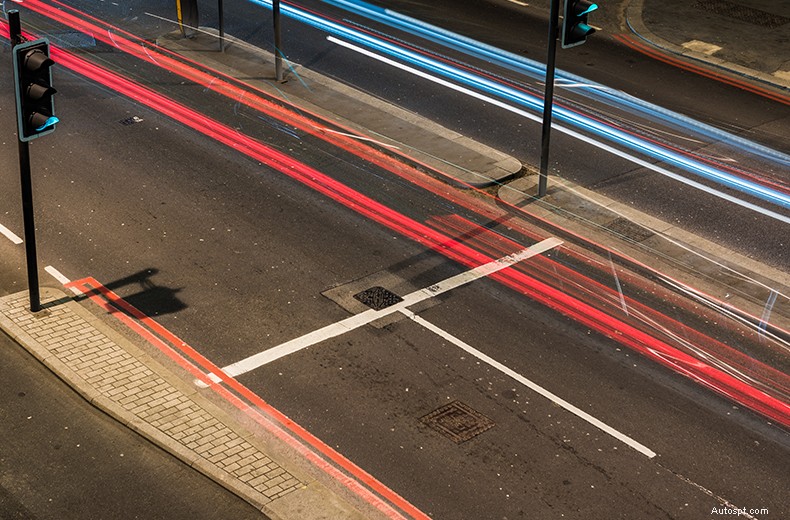
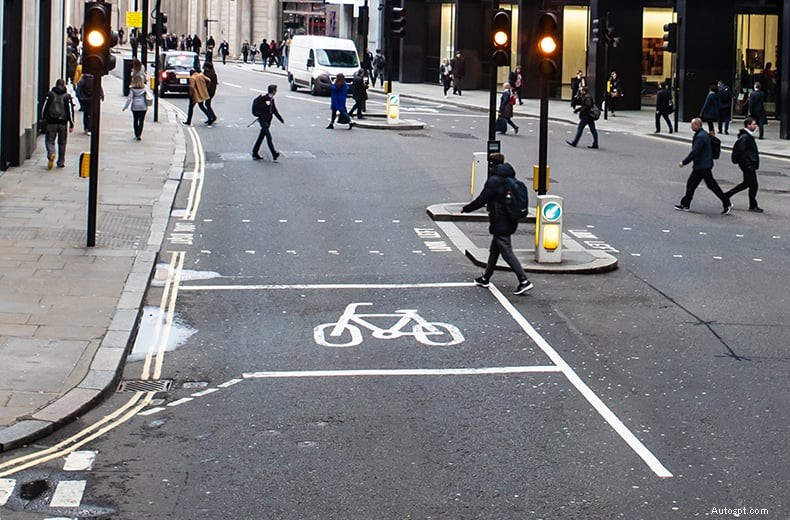
A white line across the road will appear alongside traffic lights or in some cases, in an area of police control. It’s important to stop before the line if directed to do so by traffic lights or a member of the police.
Remember to stop BEFORE rolling into a cycle box at the advanced stop line (ASL) if there is one. They look like this:
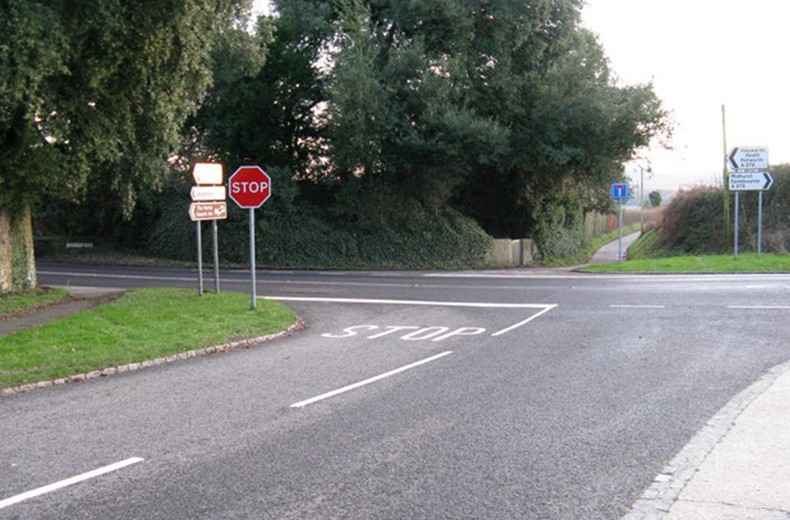
A thicker white line is less common than the one found alongside traffic lights, and appears next to stop signs.
The marking is a reminder to stop and give way to traffic before moving ahead when it is safe to do so.
You can expect to find this particular white line at junctions without traffic lights.
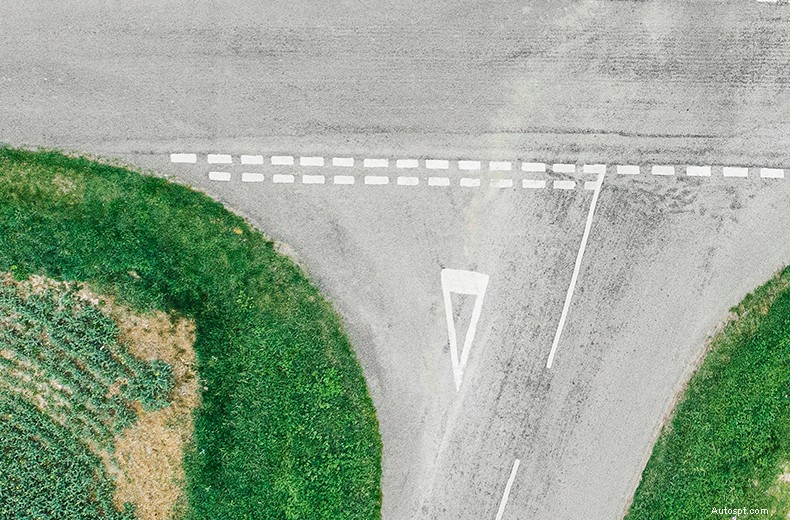
These white, double broken lines tell motorists to give way to traffic on major roads. Drivers won’t always have to stop at this line, but must keep an eye out for traffic crossing their path to do so.
The common road marking can appear at mini roundabouts and junctions with major roads.
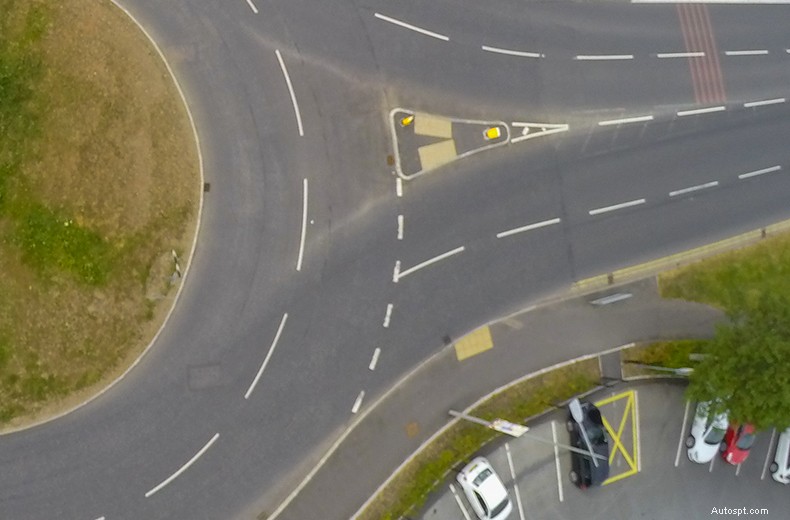
This broken white line is a reminder to give way to traffic from the right at roundabouts. You can expect to find these at larger roundabouts.
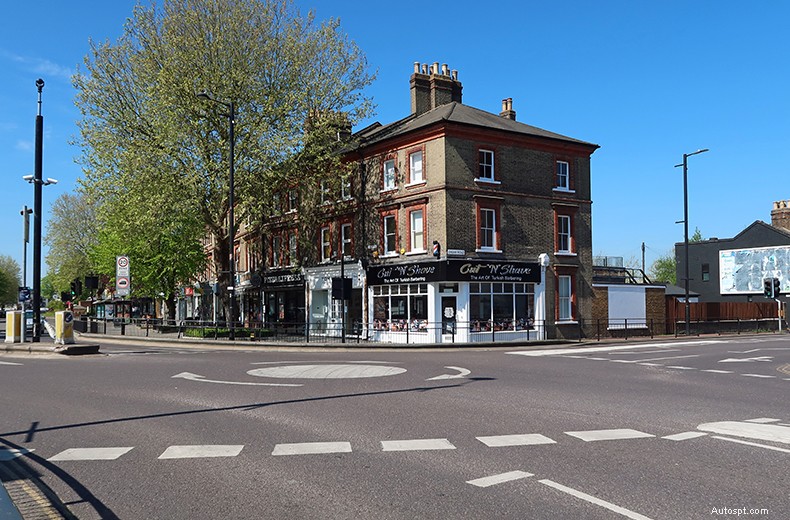
A ‘chunkier’, broken white line indicates that you must give way to traffic from the right at mini roundabouts. These smaller junctions are common on local roads.
Markings painted on kerbs usually relate to loading rules. Read on for some examples:
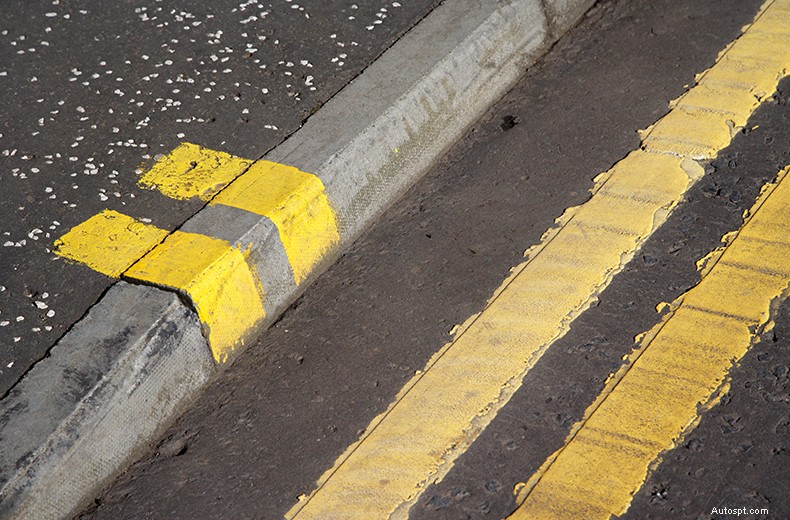
Double yellow lines painted across kerbs indicate that loading or unloading is prohibited at all times.
The kerb marking usually appears with a white sign reading “No loading at any time”. Drivers may stop near double yellow kerb lines to drop off and pick up passengers.
Like single yellow lines, these markings often appear on high streets and outside shop parades.
Single yellow lines are sometimes painted across kerbs to show that loading and unloading is restricted in that area.
You should always check nearby signs for enforcement times and know that when days aren’t specified, rules apply throughout the year.
Drivers may stop near single yellow kerb lines to drop off and pick up passengers. You can expect to find these along high streets and near shop parades.
Read on for more markings you may encounter while at the wheel:
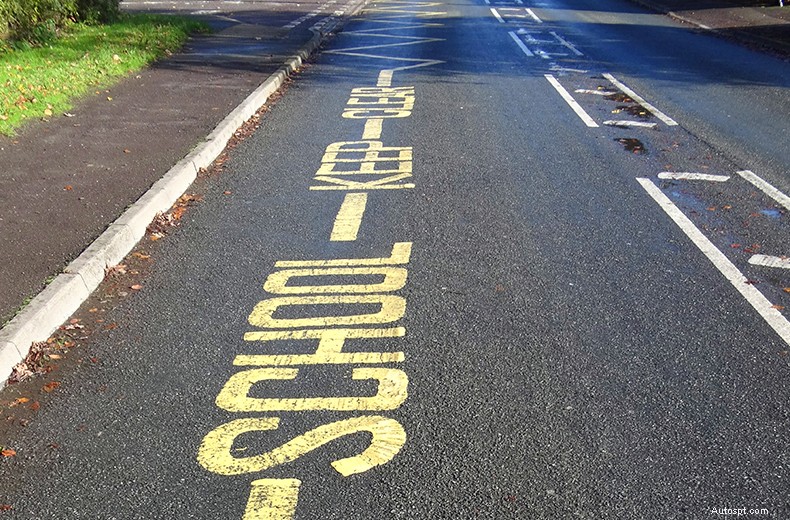
Yellow zig-zags that appear with the words “SCHOOL KEEP CLEAR” are painted to show stationary vehicles are prohibited, even if picking up or dropping off children to school.
The markings are found outside and close to schools.
A triangle pointing towards your car and featuring a thicker, straight line further away from your vehicle, indicates a give way line ahead. After seeing the marking, you should slow down and prepare to stop to let other road users pass.
You can find the markings before a number of junctions and roads with varying widths, where only one vehicle is permitted to pass.
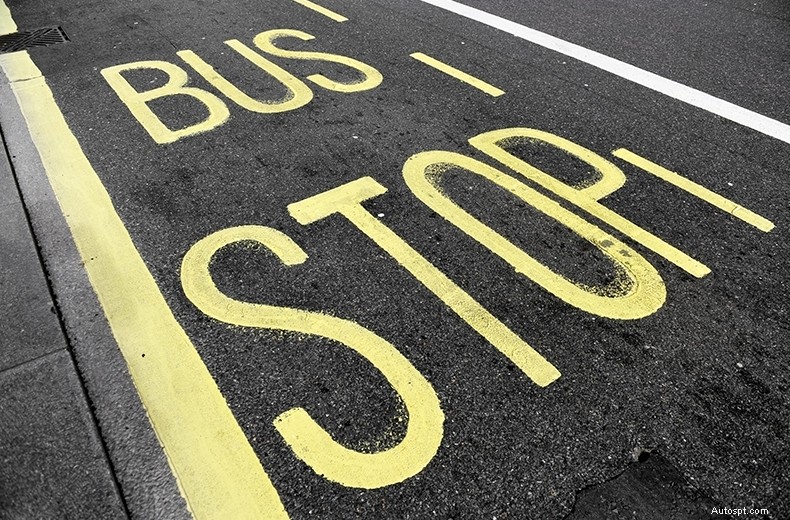
Bus stop markings are rectangular and made up of a yellow, broken line with the large words “BUS STOP” painted inside.
You mustn’t park within the marking at any time and can expect to see them across a range of roads.
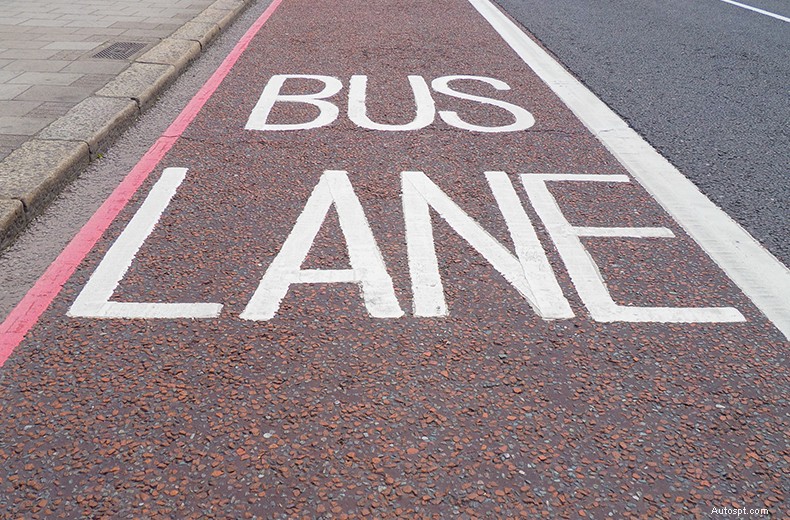
Lanes reserved for buses are clearly marked with the words “BUS LANE” throughout, and are usually accompanied with signs that indicate if any other vehicles are ever permitted to use them.
Rule 141 of the Highway Code says that “You may enter a bus lane to stop, to load or unload where this is not prohibited.”
Bus lanes are often found on wider roads in built-up areas to prioritise travel for larger groups of passengers.
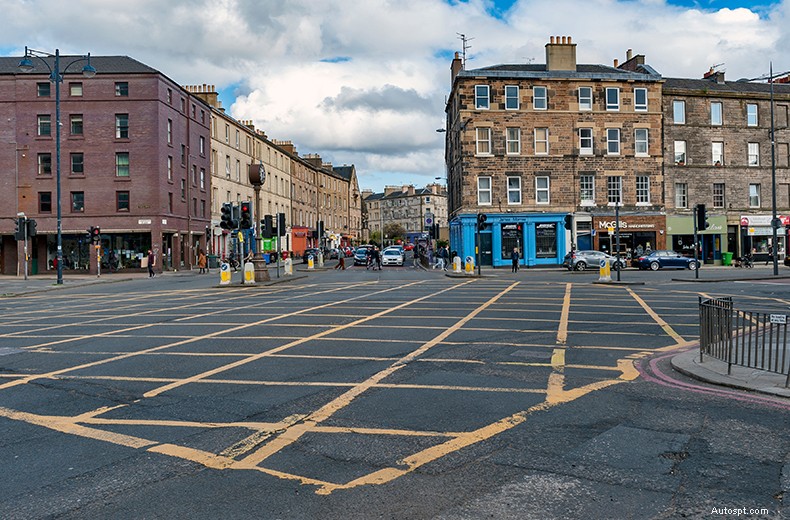
The yellow boxes filled with criss-crossing yellow lines are known as box junctions.
Although you must not enter the box until your exit road is clear, you may wait in one if you want to turn right and are only stopped by oncoming traffic or other vehicles waiting to turn right.
The boxes appear at busy junctions to ensure the flow of traffic and some signalled roundabouts, where you must not stop in them at all.
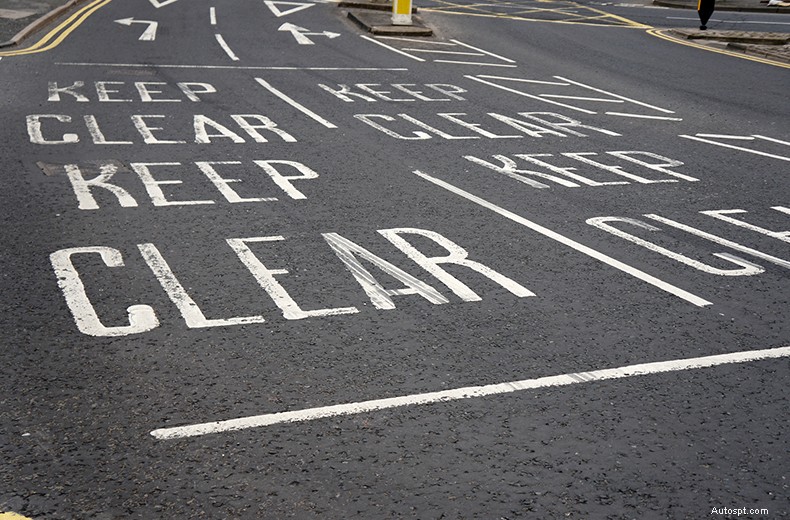
‘Keep clear’ sections of road are clearly labelled in large white font with lines above and below the text to show the limits of the no-stopping area.
Unlike box junctions, there are no situations where your vehicle can be on these markings. You can find them where traffic would otherwise prevent cars from turning.
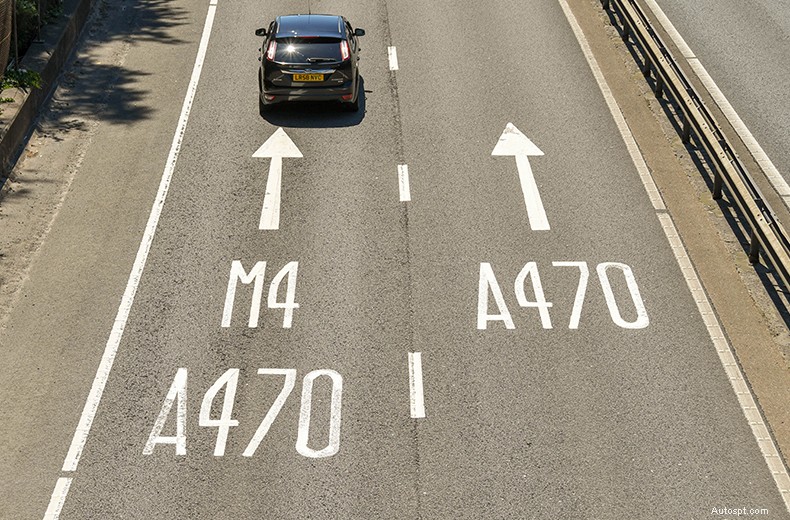
On wider roads and motorways, you’ll often see lanes labelled with the name of locations and routes ahead to help you move into the correct lane.
They appear when approaching slip roads, flyovers, roundabouts and many other junctions.
It's a good idea to learn what each road marking means with an interactive app. Driving Theory Test UK is a great place to start, with all necessary learning materials, hazard perception clips and Highway Code info included. You can download it here:


 How to pass your driving test – a full guide from novice to pro
  How to drive a manual car - a quick and easy guide with pictures
  How to drive an automatic car - step by step guide
  15 Driving test tips to help you pass first time
  How to get a provisional driving licence
  How to teach a learner driver - a guide to supervising a friend or family member
  The Highway Code - Common UK road signs and what they mean
  17 things your driving instructor never taught you
  Stopping distances made simple
  How to do a hill start - our complete guide for manual and automatic How to guide - bay parking for your driving test
  How to parallel park - our video guide to mastering the manoeuvre
  How to do a three-point turn - driving guide
  Roundabouts - how to deal with them and pass your test
  Learner drivers on motorways - everything you need to know
  What is a driving test fail? Majors and minors explained
  Should I take an intensive driving course?
  Scared of driving - how to overcome driving fear