
With this in mind it is crucial to prepare yourself adequately before embarking on a journey in the snow.
It is worth knowing how to prepare yourself and your car, while also considering different ways to approach your driving when faced with adverse conditions.
Is it illegal to drive with snow on your car?
The following tips can help make the journey safer.
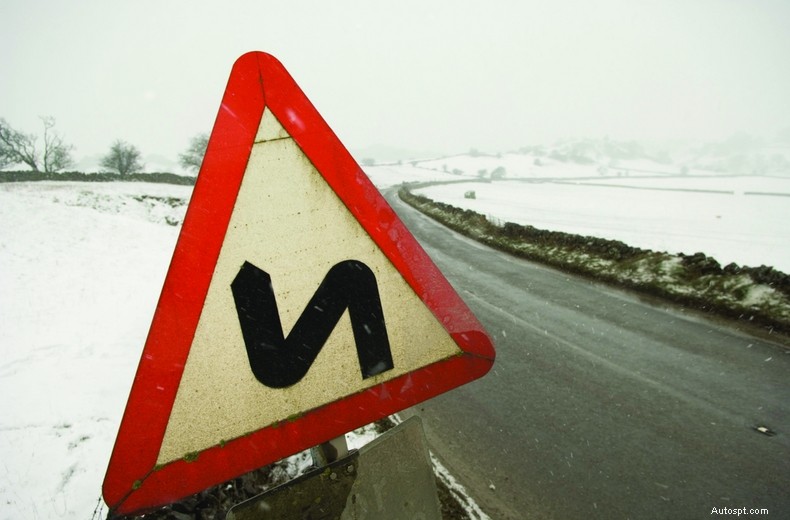
Before you set off, plan your journey carefully. Use the RAC Route Planner to get updates on traffic news to help make your journey as smooth as possible.
Consider areas that are going to be exposed to the elements, and perhaps prone to flooding. Keep up-to-date with local weather to ensure you aren't caught out.
Allow for more time than you normally would before you leave to clear car windows, mirrors, lights and the top of your roof of snow before setting off, driving with snow on you car could result in you breaking the law.
You will also need to de-ice your windscreen - which can be found on our seven top tips to keep your windscreen clear in winter page.
And you will need to take time to clear the inside of your windscreen too as it is illegal to drive without full visibility through all of your windows - you can read more on our how to demist your windscreen in double-quick time page.
It’s also a good idea to carry a lock de-icer with you to clear your lock. If your locks do get frozen, try warming the key or spraying de-icer or an oil-based lubricant into the lock.
The following checks will also be time consuming so it is worth factoring them in too before you set off.
Make sure any auto wiper control is switched off before turning the ignition on as this could blow the wiper control fuse if they are frozen to the screen. Your wipers need to be in good working order so you’re able to clean your windscreen effectively.
Check tyres for adequate tread. Poor tyres will not grip when driving on snow and ice.
If you live in an area where snow is common it might be worth changing to winter tyres with deeper tread.
If conditions are really bad you might want to consider the use of snow socks or even snow chains.
Use a good quality screenwash that protects down to at least -35 to prevent the water from freezing. If you don’t, your windscreen wipers could be rendered useless in extreme conditions - if you are unsure, you can find out how to check and top up your screenwash here
Be prepared for every eventuality by ensuring that your car is equipped with the following: demisting pad, torch (wind-up so you don’t run out of battery), a hi-vis vest to make you visible if you break down, a blanket to keep you warm, some food, a drink, spare screenwash, de-icer, ice scraper, blanket, shovel, phone charger, map, a first aid kit, a warning triangle, some jump leads, a spade and a square of carpet that you can use to put under your drive wheels should you get stuck in the snow. Alternatively, you can buy RAC Recovery Track which will get you out of the snow as well as mud and sand.
The most important thing to take with you before driving in snow is a charged mobile phone with the phone number of your breakdown provider stored in it so you can always call for help.
REMEMBER: Make sure you keep your car clean. The salt used to de-ice roads can cause corrosion to your car over time, so it’s worth making a point of cleaning it regularly throughout the winter months.
Below we have a short and informative video outlining all things to consider when driving in the snow to complement the points above.
Each of these products will help you tackle the snowy elements, but which should you buy to best suit your driving needs?
Winter tyres
Find out more on whether or not winter tyres are right for you on our 'should I buy winter tyres?' advice page.
Snow socks
Snow chains
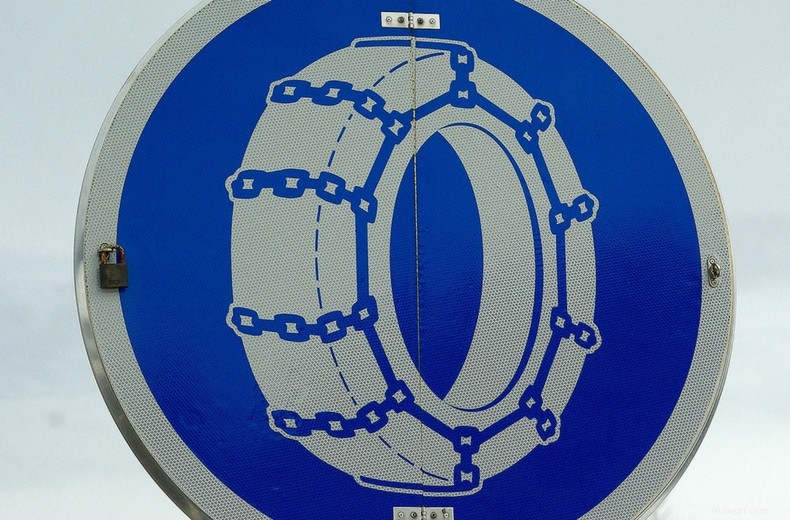
Snow chains must only be used on a layer of compacted snow and should be removed once you reach a clear section of road. You risk damaging your car and the road if you ignore this advice, double check this info when purchasing your snow chains.
In some European countries, carrying a set of snow chains in the boot is a mandatory requirement, which is worth considering if you’re planning a skiing holiday. To find a list of these countries, visit our driving abroad in winter page. Normally these countries sign post (below) when snow chains are a legal requirement.
In the UK, the opportunities to use snow chains might be few and far between, but that doesn’t mean they don’t have their uses.
In the more remote and hilly regions of the country, where the roads might not be treated, fitting snow chains could be the difference between getting home and being left stranded at the roadside.
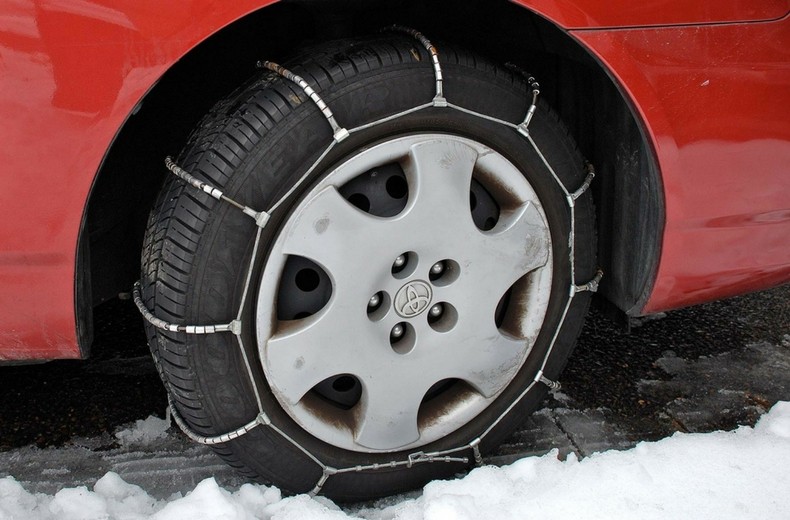
Chains should not be fitted if there is not enough clearance between the wheel arch and tyre.
If your tyres are equipped with electronic sensors, poorly fitted chains can also interfere with them.
Where chains can’t be fitted, it may be worth considering a second set of wheels that can accommodate them.
The first thing to do when fitting snow chains is to check your vehicle’s handbook to ensure your car can be fitted with them, most cars are perfectly suitable.
We’d recommend wearing gloves, as oil and brake dust on your expensive skiwear won’t be a good look on the slopes. Using a high-viz jacket is also a good idea.
To remove the snow chains, make sure the car is in gear, the handbrake on and the engine off, and follow the same steps but in reverse order.
Lay the chain on the floor to remove any snow or twists, before storing them in the packaging.
Remember, not all snow chains are created equal, and some will feature different components and require a different method of fitting and tensioning. Consult the packaging for more information.
For more specific advice we’d recommend consulting the packaging or the retailer who sold the snow chains.
When it comes to driving with snow chains fitted, the best advice is ‘smoothly does it’.
Accelerate and decelerate gently, and do not travel at speeds in excess of 30mph. It’s probably best to switch off the traction control, but your handbook will provide clear instructions for your car.
