
It’s especially important if you’re recently passed your test, as you won’t have direct experience of every different type of road layout.
The safer you are, the more you can potentially save on new driver insurance too, so it actually pays to know your road signs. Let’s start with the basics.
There are hundreds of different road signs, each with their own meaning. However, most fall into one of three categories based on their shape. The general rule is:
Many road signs, such as speed limits, should be self-explanatory; but some aren’t quite so straightforward.
Here, we look at a few of the most common traffic signs in more detail – and some that are commonly misunderstood.
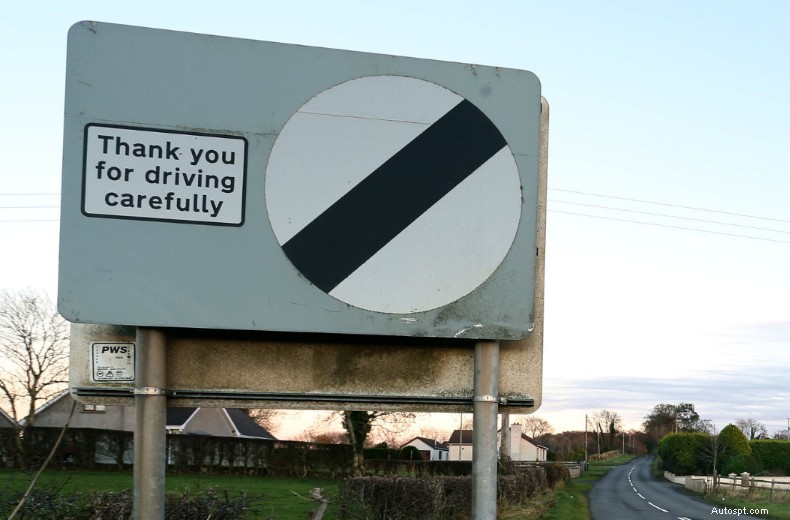
A white circular sign with a single black diagonal stripe through it tells you that the national speed limit applies on the upcoming stretch of road. It supersedes any previous speed limit signs you may have had to adhere to, such as passing through temporary roadworks. But what are the national speed limits?
Of course, even when the national speed limit applies, it might not always be safe to drive at that speed, so use your common sense on this.
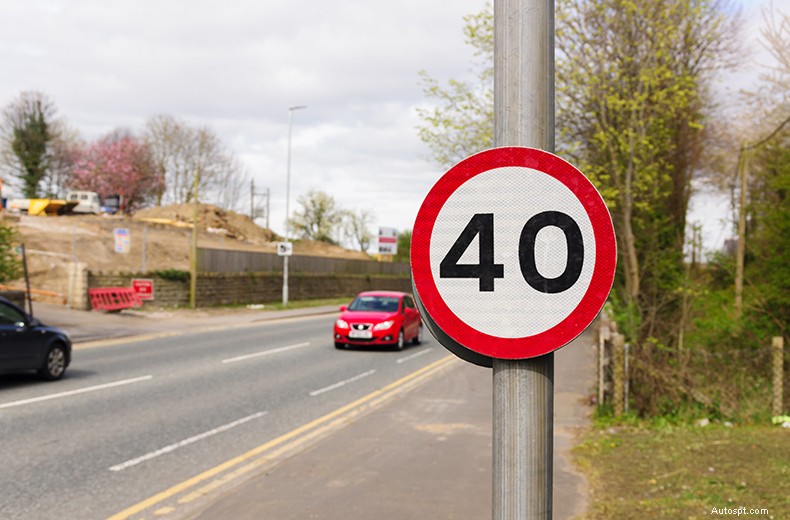
One of the most common road signs you’ll encounter – it displays the maximum speed permitted on a road within a red circle.
It will often appear with the word ‘ZONE’ written underneath with a local authority-selected image, to show you’re entering a local speed zone.
You’ll also see the sign as you leave a local speed zone. Look out for the words ‘ZONE ENDS’ and a diagonal stripe through the speed limit zone you’re leaving.
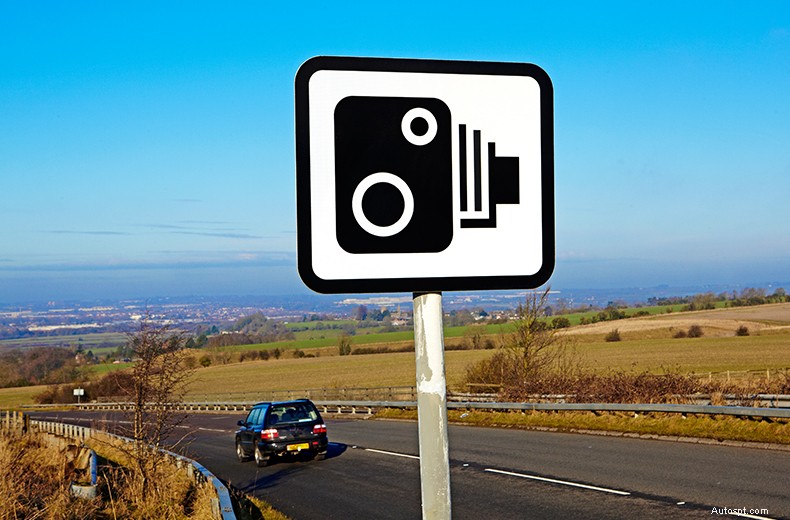
Or to give this sign it's full title: ‘area in which cameras are used to enforce traffic regulations’ sign. These will often appear with national speed limit signs and maximum speed signs.
A black camera symbol appears on a white background on sections of road covered by speed cameras and average speed cameras.
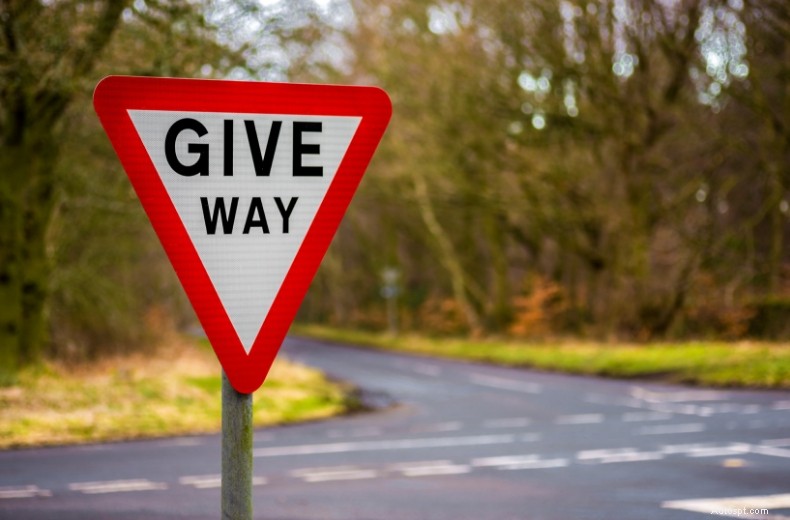
This triangular sign is one of the most frequently seen on UK roads and is used to warn you of a junction ahead. Traffic on the road you will be joining has priority, so you must wait for a safe gap before continuing.
There are two types of Give Way sign – either with distance in yards to the junction under the sign, or with the words written in the middle of the sign.
You’ll notice that the triangle is upside down compared with other warning signs. That’s so it can still be recognised if it gets defaced by snow, for example.
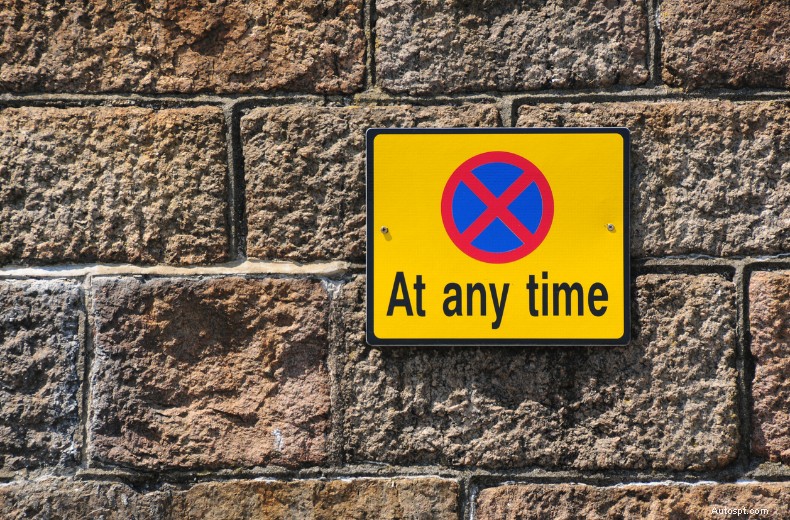
A red cross over a blue background indicates a clearway, which means you’re not allowed to stop – not even to set down or pick up passengers.
In some instances, restrictions may only apply at certain times of the day. You tend to see this sign on major commuter roads, such as Red Routes, or outside schools.
This is one of the most commonly misunderstood signs, and many drivers have fallen foul of the law by parking on a clearway.
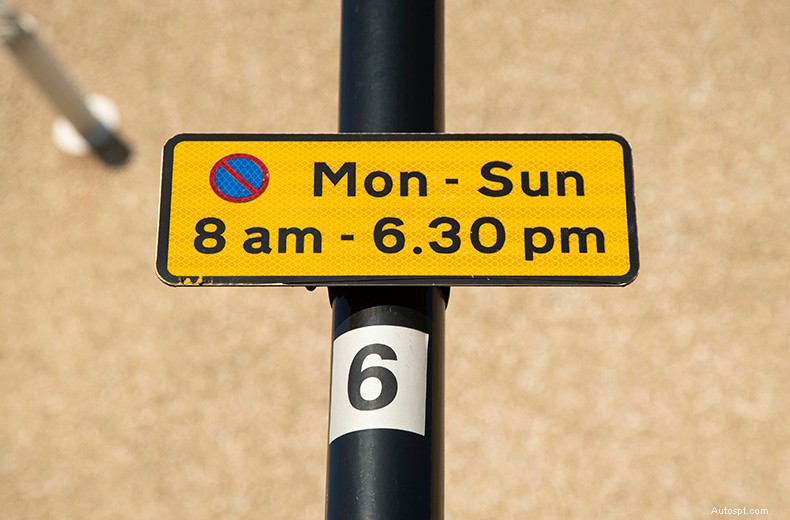
‘No waiting’ signs are easily confused with ‘no stopping’ signs. Rather than displaying a red cross they feature a single diagonal red stripe on the same blue background.
Drivers are allowed to drop off or pick up a passenger in a no waiting zone, although anything longer is prohibited.
The signs are almost always used alongside (or within) rectangular yellow signs which show details of enforcement hours.
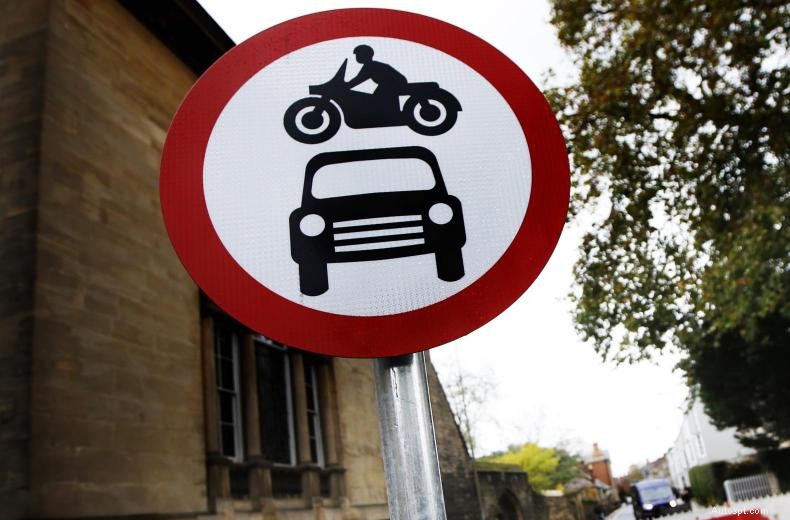
This sign means that you must not drive any motor vehicle down a road where this is displayed. It could be that the area is reserved for pedestrians and cyclists only.
This no motor vehicles sign showing a motorbike over a car is sometimes misunderstood to mean only cars and motorcycles are permitted. Nor does it mean motorcycle stunts aren’t allowed - you can be reasonably confident that they aren’t anyway!
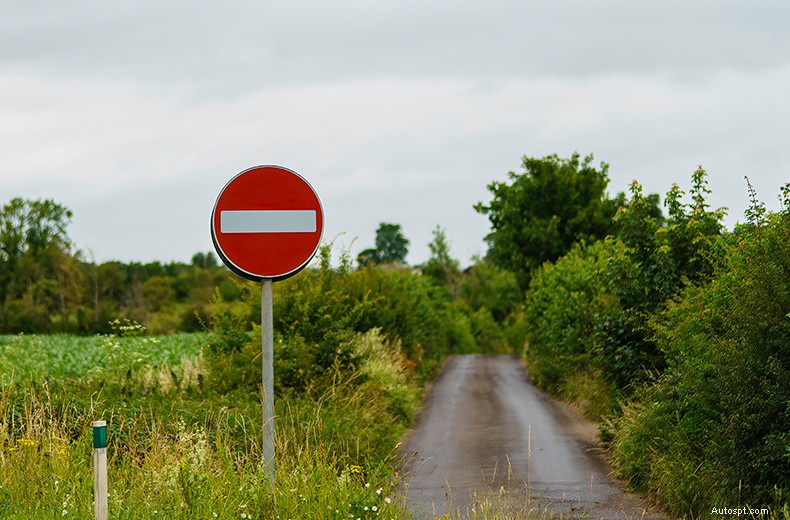
This red circular sign features a white horizontal stripe through the middle to indicate that vehicles aren’t permitted.
Unlike the ‘no motor vehicles’ sign it indicates that cycles and buses are also prohibited from using a road.
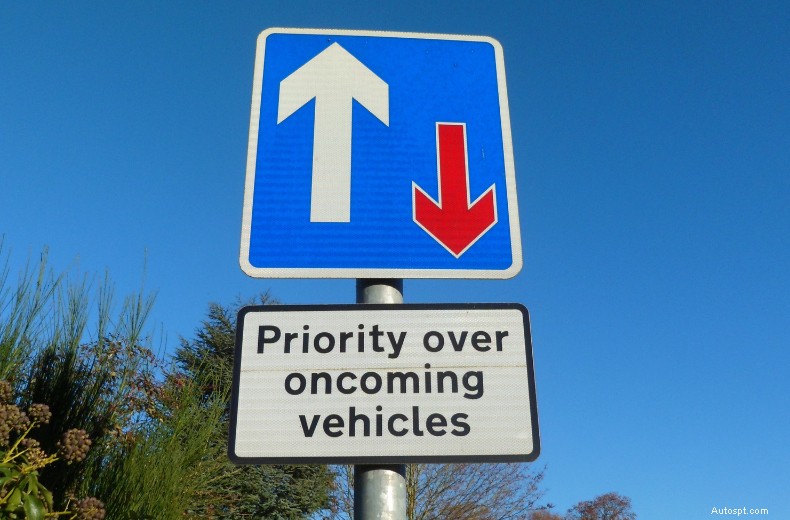
When you see a rectangular blue sign with a large white arrow and small red arrow pointing in opposite directions, it means you have priority over vehicles travelling from the other way. Drivers are often confused by this as it’s not always clear who has right of way.
You’ll commonly see this sign when a road or bridge becomes very narrow, or as part of traffic calming measures where there is only room for one vehicle to pass. If there’s another vehicle travelling towards you that is already in the narrow area, wait for it to pass.
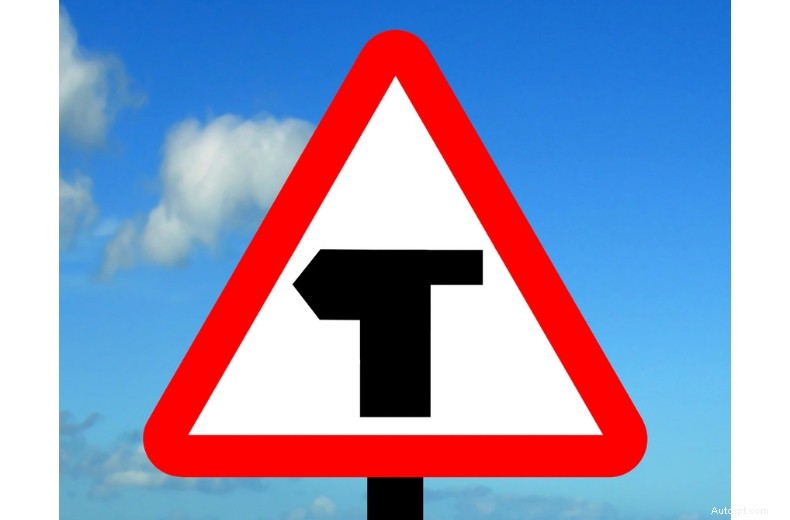
A T-junction is a place where a minor road joins a major one without crossing it, forming the shape of the letter T. The T-junction sign is often placed in busy areas to warn you to be careful as vehicles may be stopping to turn. It can be particularly useful if you’re driving on dark roads at night to let you know you’re approaching a busy junction.
The T-junction sign shouldn’t be confused with the ‘no through road’ sign, which is a blue square with a red and white T shape on it.
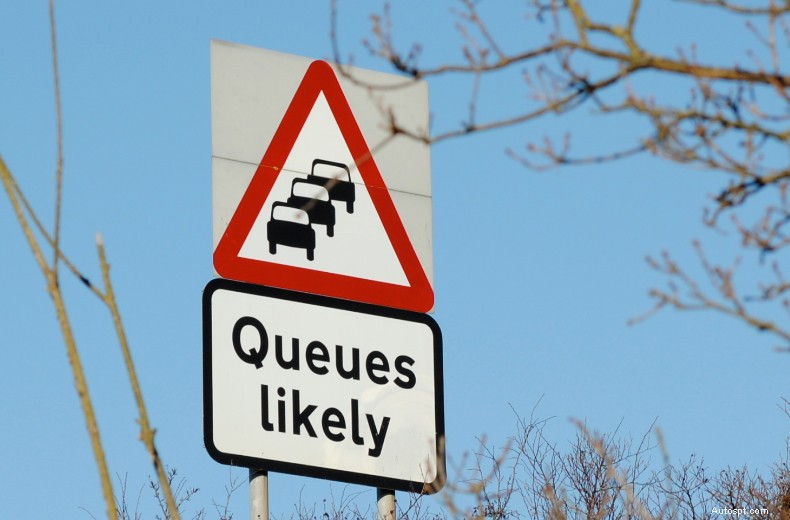
If you see a triangular sign with a row of cars on it, it’s warning you that you’re approaching a congested area, so be prepared to stop.
The queues ahead might be hidden, so make sure you’re aware of vehicles behind you that could be following too closely. If you brake sharply they could run into the back of you, so when you see the sign, start slowing down gradually and brake smoothly.
Driving in stop-start traffic could potentially cause your engine to overheat, so it’s always advisable to have breakdown cover just in case.
