
Other than getting your car stolen or snatched from you, having someone use force to break into and gain access to your car is probably one of the most invasive acts that can happen to your car. Just knowing that your car was broken into, and the culprit looked through your things and stole some personal things is enough to evoke a strong emotional reaction.
Unfortunately, many vehicle owners don’t think about – or delay – protecting their cars from theft until it has been stolen or broken into. But the fact remains, getting to know how to prevent your car from being stolen or broken into is the knowledge that you need.
Think of this for a second: according to the National Highway Traffic Safety Administration (NHTSA), every 44 seconds a vehicle is stolen in the United States. And, while 50% of them are recovered, this figure doesn’t tell the entire story. That’s because criminals can rip your car into its various parts, ditch it while trying to escape law enforcement, or wreck it while on a joy ride, all in a heartbeat.
Most of us spend a lot of time in our car, it starts to feel like an extension of your home, such that if your mini home-on-wheels gets violated, you’ll likely feel unsafe and scared to leave your car alone again. If you do not want an unauthorized person sitting in your car, or to deal with the broken windows, insurance claims, and stolen property, you need to understand how to prevent car theft.
The simple answer is convenience.
There has been a spike in the number of auto theft cases as keyless start technology and higher prices for car parts make cars more enticing to car thieves. The main cause of this spike is because many drivers are exit their vehicle with the key fobs still inside, whether that decision is intentional or unintentional, which gives thieves the motivation to enter the vehicle and drive away since they don’t even have to find the keys.
You have to understand that every convenience leaving your keys in the car gives you comes with numerous risks. Being aware of the risk is half the battle. Here’s how to prevent your car from being stolen or broken
There are numerous occasions when you’re tempted to leave your car running. The reason might be to warm up the car, run a quick errand, or go back inside your home to quickly fetch something you ‘almost’ forgotten.
While this may seem practical, leaving the engine running while you’re out of the driver’s seat is a bad idea. That’s like hanging a big ‘steal me’ sign on your car. Though most canny thieves can snatch a vehicle whether it is running or not, an engine that’s idling is faster and easier to steal. Do not allow your vehicle idle even for 15 seconds if you’re not behind the wheel because that is all a thief needs to jump in and drive away with your car.
It might not be illegal where you are, but trust me, it isn’t helping the environment. In many states, it is against the law to leave your car idling (doesn’t matter if you are inside or not). Running engines emit carbon monoxide and carbon dioxide into the atmosphere, both of which are toxic and contribute to smog and air pollution.
A lot of people allow their engine idle because they want to conserve fuel, but this is actually a busted myth, and there are better ways to improve gas mileage. Idling for more than 10 seconds uses equal or more gas than restarting your car, so make sure you turn off your car if you’re won’t be moving for 10 seconds or more.
The other myth is that restarting your vehicle very often kills the battery faster. However, modern cars are equipped with stronger, durable, and more efficient batteries which are built to withstand numerous starts and stops.
‘Opportunity’ is the keyword in the majority of car theft crimes. Car thieves are lazy – I mean otherwise they’d get a job, right? They want an easy target that they can quickly get into with minimal work.
That’s why they like unlocked cars. No need to waste ‘valuable time’ breaking a glass, or prying open the lock; all they have to do is pull the door handle and they’re in. Plus, it is really simple to check whether the door of a vehicle is locked or not without anybody being aware.
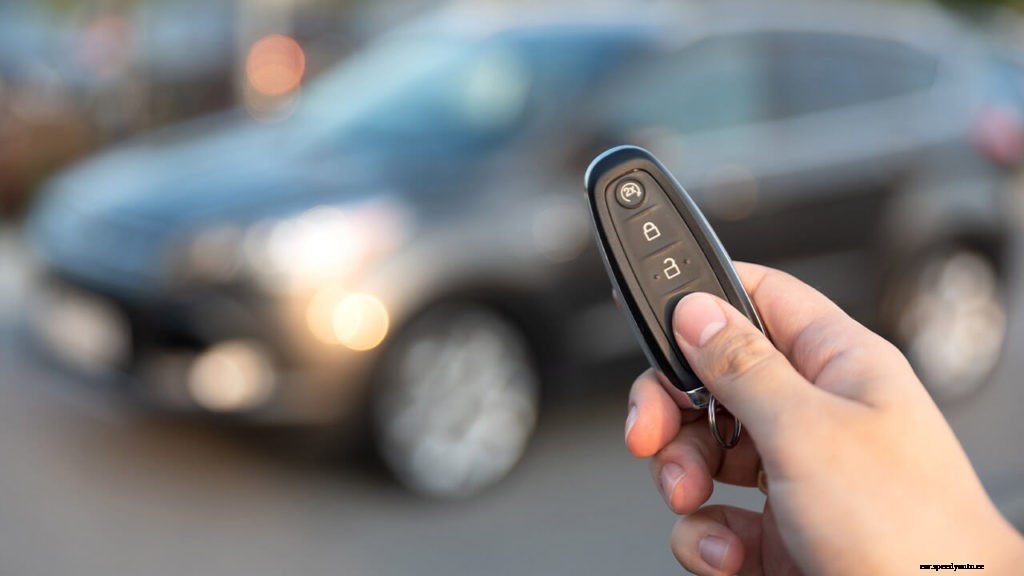
Advances in technology have improved the ease of getting into a car. The majority of new cars are equipped with remote starting capabilities or remote keyless entry. Though these automatically restrict access to the car once the system can no longer detect signals from the key as well as prevent you from locking the car door while your keys are still inside the car, the downside is that a thief can easily steal your car if you do not remember to take the keys out.
I know it sounds silly, right? Why would someone leave the key or fob inside the car? Well, it’s pretty easy to do. According to this report, one in eight cars were stolen because the driver forgot the key fobs in the car.
Okay, how about when you’ve parked your vehicle in the garage? A lot of people think their car is safe in the garage, so they don’t bother locking it or removing the keys from the vehicle. Doing so will go a long way to help reduce the likelihood of your car being stolen or broken into. Especially in warmer summer months when many people have a lot of work to do in the garage and tend to keep the garage door open for ventilation.
Ensure to keep the spare key to your car somewhere hidden if you always lock and secure your car. This way, if your house gets burglarized, the burglar can’t use your car to escape.
Always lock your car when you leave it! This is as basic as it can get when it comes to protecting your vehicle from being stolen. While this makes the first couple of seconds after you step into your car a bit uncomfortable, do not give in to the temptation to leave windows cracked during the summer.
It barely takes up to 15 seconds after parking your car to close the windows, remove the key from your ignition (don’t leave the key in the car, even if it’s hidden), and lock all doors. It all sounds so simple, obvious and easy to follow, but not every driver does this.
In most cases of car theft, the culprit was at the location watching before the car was parked. So, when you leave your car, take a look around you as if you’re looking for a particular car. This shows potential thieves watching that you are security conscious and well aware of your surroundings.
When you go to file a missing car report, one of the first inquiry the police officer will make is “are all your keys with you?” Many people who have been locked out of their car once, and know firsthand, the hassle that comes with trying to get into a locked car without keys soon make the blunder of keeping a spare car key somewhere under the car. You see, the issue here is similar to hiding a spare key to your home under a flower vase or a carpet, criminals are aware of this trick. The inconvenience of being locked out of your car is nothing compared to the nuisance you’ll experience if it gets stolen. And if there’s someone you gave a spare key to your car who no longer has a need for it, get them to return it ASAP.
You can make your car less attractive for criminals by parking in an area that illuminated, close to the entry of the building, or within view of lot security cameras. Backing out of a parking lot sucks, but that’s exactly why thieves won’t try to make a quick getaway in your car when you park facing the wall. You could also turn your wheels into the curb or towards another vehicle. They want something quick and less risky which reversing or maneuvering isn’t.
We already mentioned that car thieves are lazy and like to work on easy targets. By installing audible alarms, decals, steering wheel lock, as well as making an inscription of the VIN (Vehicle Identification Number) onto the windows, you lower the value of the vehicle in thieve’s eye, as they have to make the effort to deactivate and get rid of these security features before reselling the car. When the thieves see all of these, they’ll just move on in search of easier targets.
It is disheartening to have your car stolen along with all the valuables you left inside the car. One of the biggest reasons that cars are stolen or broken into is for the item inside the vehicle. Stealing a car is a lot harder than you think, because of the alarms, tracking devices, and other security features on the vehicle. But the items in the car? Very simple. Just break the glass and you’re in, besides most of the items people leave in their car can easily be concealed in a pocket.
Once a thief breaks a window to steal the iPad or laptop lying in the back seat, he might just go ahead and drive off with the car. If there are valuable items that you can’t take with you every time you leave the car, then the next best step is to cover them up with a blanket or tuck them out of view in the trunk or glove box. Thieves will often want to have an idea of how valuable they item they’re about to steal is worth. So if you can cover your item, thieves will see that you have stuff in the car but they won’t know what it is worth.
Another effective method to prevent your car from being stolen, and increase your odds of getting your car back if it was snatched from you, is by installing a GPS-based vehicle protection service. This sort of security service normally features a tracking device that uses GPS (Global Positioning System) technology to pinpoint the exact location where your car is. With a GPS-based protection service installed in your vehicle, you can see where your car is or has been (if your teen drove the car) by logging in to the laptop or mobile software that comes with such service. In the event that your car gets stolen, this feature can help the police locate and recover your car quickly.
If you can’t get a GPS tracking device immediately, you might want to consider installing immobilizing devices, such as ignition disablers, kill switches or fuse cut-off. These ensure that the vehicle doesn’t start except a hidden button or switch is activated. It sounds like something James Bond would have.
If you live in an area that’s disturbed by car break-ins, any of these tips will help minimize the odds of your car being broken into, and implementing more than one method will reduce the chances even further.
