
When you drive your car into the gas station for a refill, you will find various pumps with an array of fuel options begging for your attention. But of course, you already know which one has the type of fuel that your vehicle needs, however have you ever wondered what happens if you put the wrong fuel in your car?
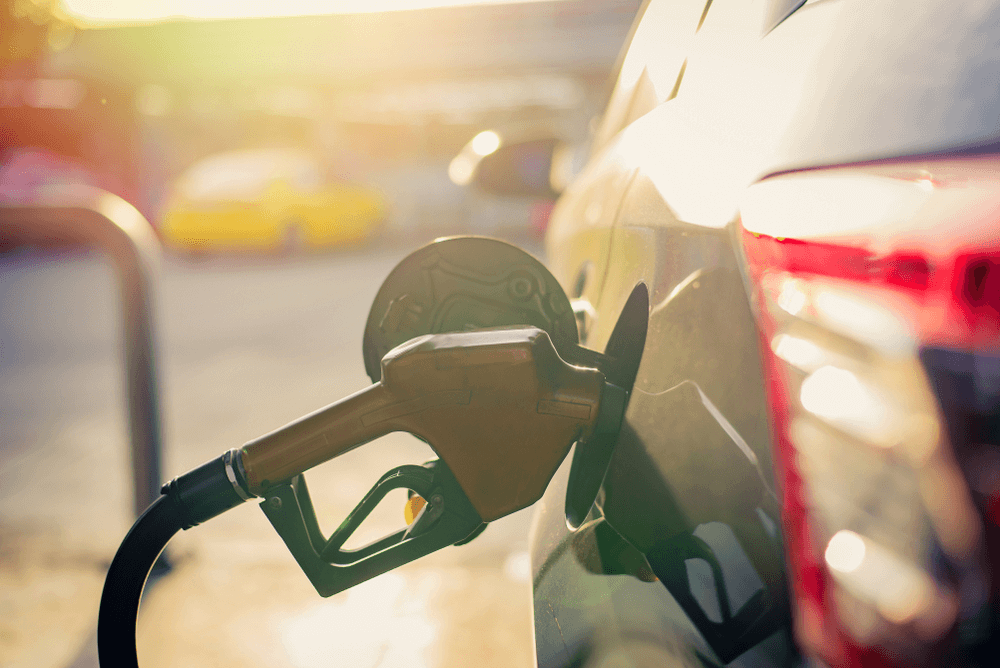
What if you filled with regular instead of premium? Or, what if you put diesel in a gasoline engine or vice versa?
You are probably thinking along the lines of “I’d never do that!”, but this one mistake is pretty common. All it takes is a small distraction to draw your attention from the pump and all of a sudden realization of what you’ve just done sets in. Some people catch on very early, others might realize the mistake mid-way through fueling, some drive off without knowing.
Ultimately, you definitely want to stick with the fuel that’s recommended for your vehicle as well as the grade, because using something different could produce some unfavorable results.
So, what difference does it make? Here is a list of things that could possibly go wrong and actions you can take in the event that this happens to you or someone you know.
First things first. This mistake is more common than you think, so don’t beat yourself up. It you comfortable to know that an estimated 150,000 people refuel their car with the wrong fuel each year. So, it’s an easy mistake to make and that’s usually because gasoline pump nozzles can easily fit into a diesel tank so most people that make this mistake don’t realize it until it’s too late. Putting diesel into a gasoline tank is quite trickier because the nozzle doesn’t fit and you’ll notice it right away – but hey, nothing is impossible, right?
Well, the results vary from case to case. The severity of the damage your car would sustain depends on the kind of engine you have and the volume of the wrong fuel you have refilled the tank with.
Gasoline in a diesel engine? Aside from being a fuel for the engine, diesel also acts as a lubricant to keep friction minimal in the fuel pump and other components as well as help them to run smoothly. Unfortunately, the opposite is true for petrol. It dilutes diesel when both are mixed, thereby increasing friction between the parts and is likely to damage the fuel lines and pump. You might notice the car shake or vibrate as you drive.
Diesel in a gasoline engine? Assuming you successfully fill a substantial amount in the tank without noticing the larger pump nozzle, there very little damage it can do. Since diesel needs to be compresses before it can ignite and is thicker than petrol, it’ll likely not be able to start the engine, which also minimize the damage. If you fill the tank with a couple gallons of diesel before you realize the mistake, your car might still run okay, but the performance of the engine will likely drop for some time and you’ll notice soot build up on the spark plug.
What about Octane numbers?
Most drivers don’t worry too much about mistakenly refueling with diesel. What gets their attention are the three pumps labeled 87, 89, and 91. Though each has a slight difference, but you don’t have to worry about causing severe damage with these as you would if refilled with diesel.
Many of the engines on the road today require 87. If you mistakenly put petrol rated 91 in an engine that requires 87, there’s nothing to worry about, your vehicle will still give an optimal performance.
Other vehicles, such as vintage and high-performance sport cars, require 91. The engine won’t break down if you run it on petrol rated 87, but your fuel economy will reduce.
How you react in the first few minutes after you’ve come to realize the mistake you made will have a great impact on how easy you’re going to solve this issue. So, settle down, keep calm and … do nothing!
You see, the problem is that the first thought many people have when they realize their mistake is to get out of there ASAP. Out of embarrassment, they quickly turn the key and try to run as far as possible. Don’t be that person!
As soon as you start the car, that’s when the damage begins. The fuel pump and injector start moving the fuel from the tank to the engine. And when it gets to the engine, the real damage begins.
By leaving the ignition off, the bad fuel will remain in the tank, which means the repairs will be limited to that part of the vehicle and not all three or more – tank, fuel pump mechanism, and the engine.
I know it’s a really frustrating situation to find yourself, so do what you have to do to clear your head. If you have to scream, punch the steering wheel, or make a fist, do so behind the wheel with the windows rolled up. You don’t want extra attention now, do you?
If you’re still at the gas station meet one of the operators and explain what just happened. Ask them to give you a hand in pushing your vehicle out of the way.
If you realize your mistake on the roadside, pullover to a safe spot and position warning triangles a few meters away if you’re a potential hazard to other road users. Ensure to lock the vehicle before you step away from it.
Hopefully you’re no longer in panic mode and the car is secured. The next step will be to find a way to fix your mistake. There are a couple of ways to handle this, but your first line of action will be to get that bad fuel out of the car as soon as you can. Three options come to mind:
If you’re yet to drive the car with the bad fuel in the tank, you can simply siphon it into a container with the help of a siphon kit. This is usually a long hose that comes with a mechanism to pump the fuel out.
If there is a hose and container nearby, you can siphon the bad fuel manually. What you need to do insert the hose into the tank as far as it can go. Bend close to the container and try to suck out the bad fuel. Be careful so you don’t get a mouthful. As soon as you spot the fuel moving in the hose (assuming it is transparent) stop sucking and insert the hose into the container. You should get it right after a couple of tries.
Alternatively, you can call for a mobile drain. These are specially adapted vehicles that are mounted with powerful pumps which can be hooked to the fuel tank. They can help you drain the bad fuel from the tank as well as flush the fuel line with the recommended fuel.
Like we mentioned earlier, mixing up different fuel types is a common mistake which is why many car fuel tanks have a drainage plug underneath them. You’ll need to crawl under the car to access it which means you have to raise the car, get out your plastic foot mats and lay them on the floor, then place a collecting bucket or drainage pan under the plug and loosen the plug nut with a spanner or wrench. This way you can control the flow by tightening or loosening the plug.
The alternative to handling the problem by yourself is to call a towing van to take your car to the garage for a professional to check the fuel system. I recommend this option if you had already started the car on the bad fuel before you notice changes in its operation. Though this option will be expensive, the good news is that the garage will have the tools to diagnose which parts are really affected as well as accessing how much damage you have on your hands.
Any one of these methods outlined above will help you remove most of the bad fuel from the tank, and if you didn’t turn on the engine then you should be fine when you refill with the correct fuel. You might notice a little performance dip, but the new fuel will dilute and minimize the effects of the bad fuel.
If you have run the vehicle on the bad fuel before noticing performance drop, then you should take the vehicle into a repair shop. In either case, you’ll need to flush the fuel system and replace the fuel filters just to be sure.
The best way to prevent a next time? The obvious answer is to always fill you tank with the correct fuel.
But of course that’s easier said than done. I mean, this article wouldn’t exist if that was the case, right?
It’s impossible to avoid innocent accidents like this one from happening, but there are few things we can do to reduce the frequency of such mishaps at the pump.
You’ve probably seen this on commercial vehicle where the gas cap cover comes colored stickers. There are usually black for diesel and green for petrol. This way you are offered an instant reminder of what you need to fill your tank with. Also, you need to study the label on the pump too before you fill up your tank. This is especially useful if you just bought a new car, one that uses a different type or grade of fuel than the previous one you had.
When you go to refuel your car, cut out any distractions for a minute or two you’ll be spending there. Refueling isn’t the time to be checking your mail or talking on phone. Avoid filling your fuel tank when you’re in a hurry, stressed, hungry, or upset. When your mind is busy somewhere else, you’re very likely to slip up. So pay attention to the task at hand or pay the mechanic to fix your fuel system, your choice.
If you are worried about misfuelling your diesel car with petrol or vice versa, you can purchase some cool-looking plastic adaptors that fit into your fuel tank neck to prevent you from inserting a different type of fuel nozzle.
Plus, if you are borrowing your car to a friend, let them know what type of fuel to fill the tank with. Don’t assume they know.
Hopefully these tips should help you avoid misfuelling your car. However, if it happens just know that it isn’t the end of the world and there’s nothing to be ashamed of. Just remember not to panic, avoid starting the car, and get the bad fuel out of the tank as soon as you can and you should be fine.
