
Your vehicle is your reliable means of transportation, humming, roaring or sputtering to life whenever you need it to take you from place to place. However, did you know that the same vehicle can be a haven for rats and mice?
Vehicle engines are usually dry, undisturbed, and warm, an ideal condition for resting, feeding, or breeding a new generation of rodents. Which is why rats do not mind taking shelter under the hood of your engine, especially during the chilly season.
The problem comes when they start leaving a urine trail and chew away at wire insulation which can cause short circuits and other damages, resulting in expensive damage to the engine. And when you fix the damage, the new part might simply be chewed once again.
The question now is how to protect cars from rats and mice.
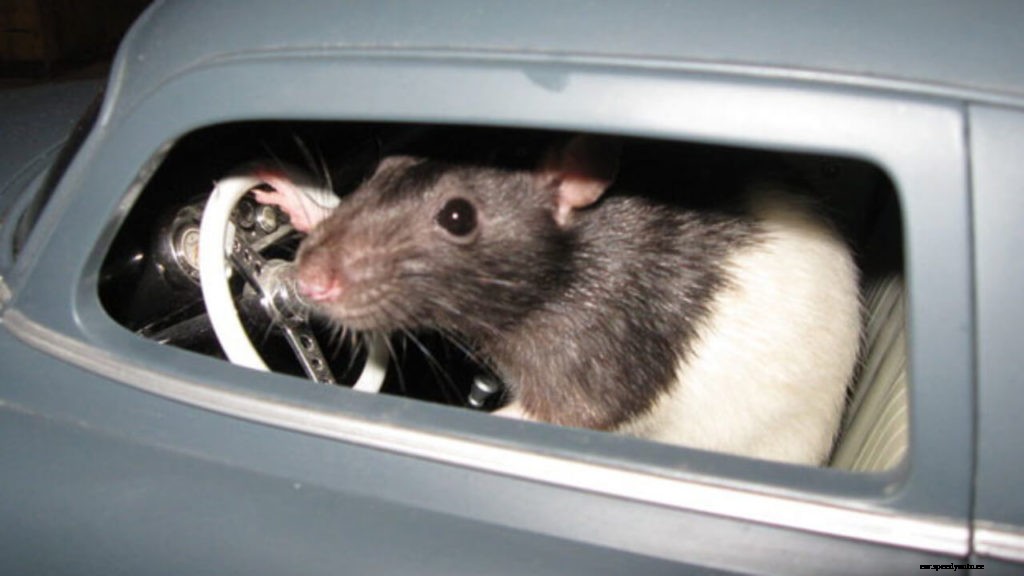
If you think that storing your classic car, Sportster, RV, restored summer car, collector, or muscle machine in the garage over the winter makes it safe from mice, think again.
A protected, but unused car or vehicle puts up a gigantic “Home, Sweet Home” sign for mice and rats looking for shelter from the cold.
Once in the vehicle, rats and mice make the best of your generosity.
They will find their way into the car, shred your vehicle headliner or seat cushions to make their nest comfortable for romantic evenings and the resultant litter. It shouldn’t come as a surprise that a mouse couple can create over 5,000 babies, grandbabies, and great-grandbabies within a year.
Rodents can create a mess which interferes with the aesthetic appeal of a/for the car. Molding food, decaying creatures, and dropping can give off unpleasant smells in the car. Also, constant scratches and tears by the rodents can deface the interior surfaces and fabrics.
One more thing, you might wonder why rodents have to chew so much. Well, if they don’t constantly gnaw on hard things, their teeth grow uneven to the point where the rodent can’t chew again and starves to death. Rats and mice using your vehicle parts to fix their teeth can destroy computer systems and entire wiring harness overnight.
Trying to eliminate every rodent in your area is a futile attempt, but you can be proactive and take some simple steps to reduce the risk of your vehicle becoming a rodent hostel.
Getting rid of rodents begins with an important step – inspection. Some tell-tale signs of rodent activity are droppings, disturbed rubbish, nibbled paper, and a weak musty, urine smell – like ammonia.
What information did you gather from your inspection? Are there bushes near your garage? Prune these so they do not become a rodent hideout. Seal off cracks, gaps, and holes where rodents could gain access to your garage. You may need to crouch at least to a dog’s eye level.
Clear away leftovers, store pet food in a sealed rat-proof container, and ensure birdseed is not within rodents’ reach – be careful though, rats can be quite innovative.
Rats and mice feel a sense of security in a closed environment they can easily find objects to hide behind. For a rat or mice, an open hood is not as appealing as a closed one. However, set a reminder to close the hood during inclement weather.
Make it harder for rat or mice to have access to the engine. If you find a gaping hole, then you should consider using a wire screen to close up such opening. Or you could place mouse trap on the wheels or around the vehicle since they’ll have to climb up and down the vehicle wheels to gain access.
If you can constantly disturb rodent’s peace, they’ll be less inclined to stay or even replicate in your engine. Strobe light and ultrasound alarms are perfect at disturbing rodents. Other options that you could combine to form a formidable defense and make the environment unpleasant are peppermint oil, pet hair, or cat litter.
Rodents are very stubborn creatures. Some rodent might still find a way through to your vehicle engine or interiors even with all these precautionary measures in place. If you think that rodents have bypassed your security and gained access to your vehicle, use suitable rodent traps to catch and eliminate them. Toxic traps though easy to set aren’t the best for the job; some require the rodent to consume a high dose of the poison, however, this could harm pets and other predators too.
Now you are aware of the numerous ways rodents can damage your car, the best you can do is prevent them from getting into the vehicle or making your vehicle less appealing. It may take a couple of days to catch offending rodents, and you may have to make several changes to your strategy to complete the job. If all else fails and rodents are making a mess of your vehicle, you can always call in a professional exterminator as a last resort to make sure the job is done thoroughly.
