
Whether you’re doing it alone or as a group, a road trip is something that you remember eternally. It’s almost embedded in our DNA; the urge to get on the road to explore exciting new places and meet new people. You just can’t get enough of it! Anyway, if you want your road trip to be fun without the “I wish I did” sigh of regret, there are a few things you ought to remember. Lucky for you, we’ve covered 50 tips to make your road trip an easy ride.
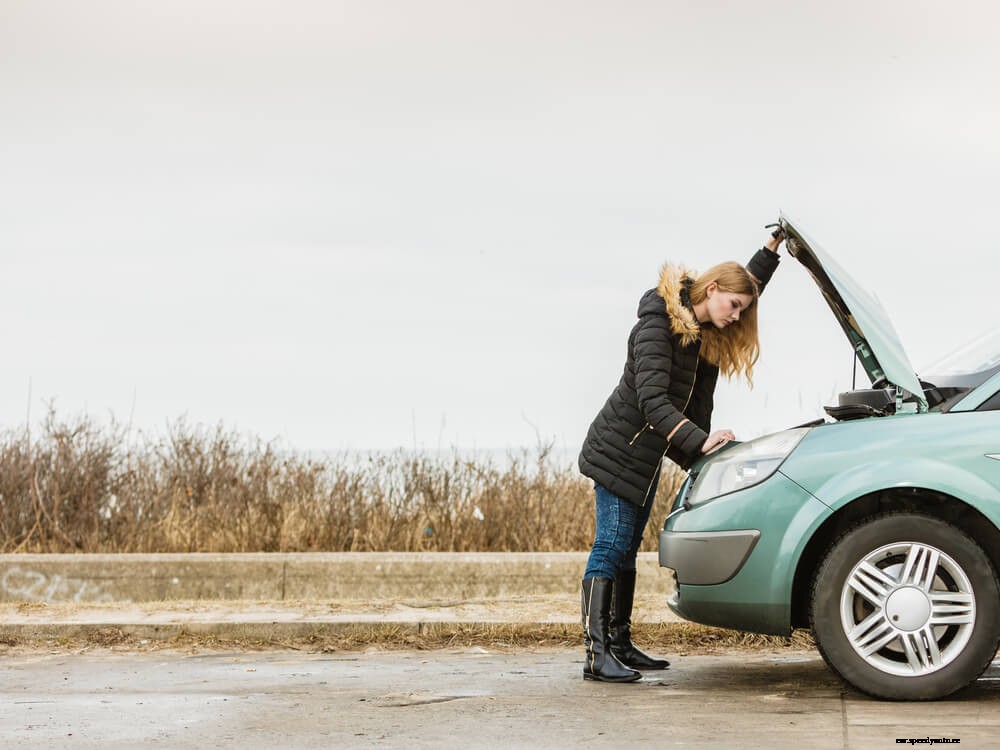
Before everything else, you should visually inspect your vehicle for any signs of issues. It probably won’t even take more than 5 minutes to visually scan your vehicle’s body for signs of a dent or the windows for scratches and marks. Anything unusual that stands out should be flagged and sorted out before the road trip.
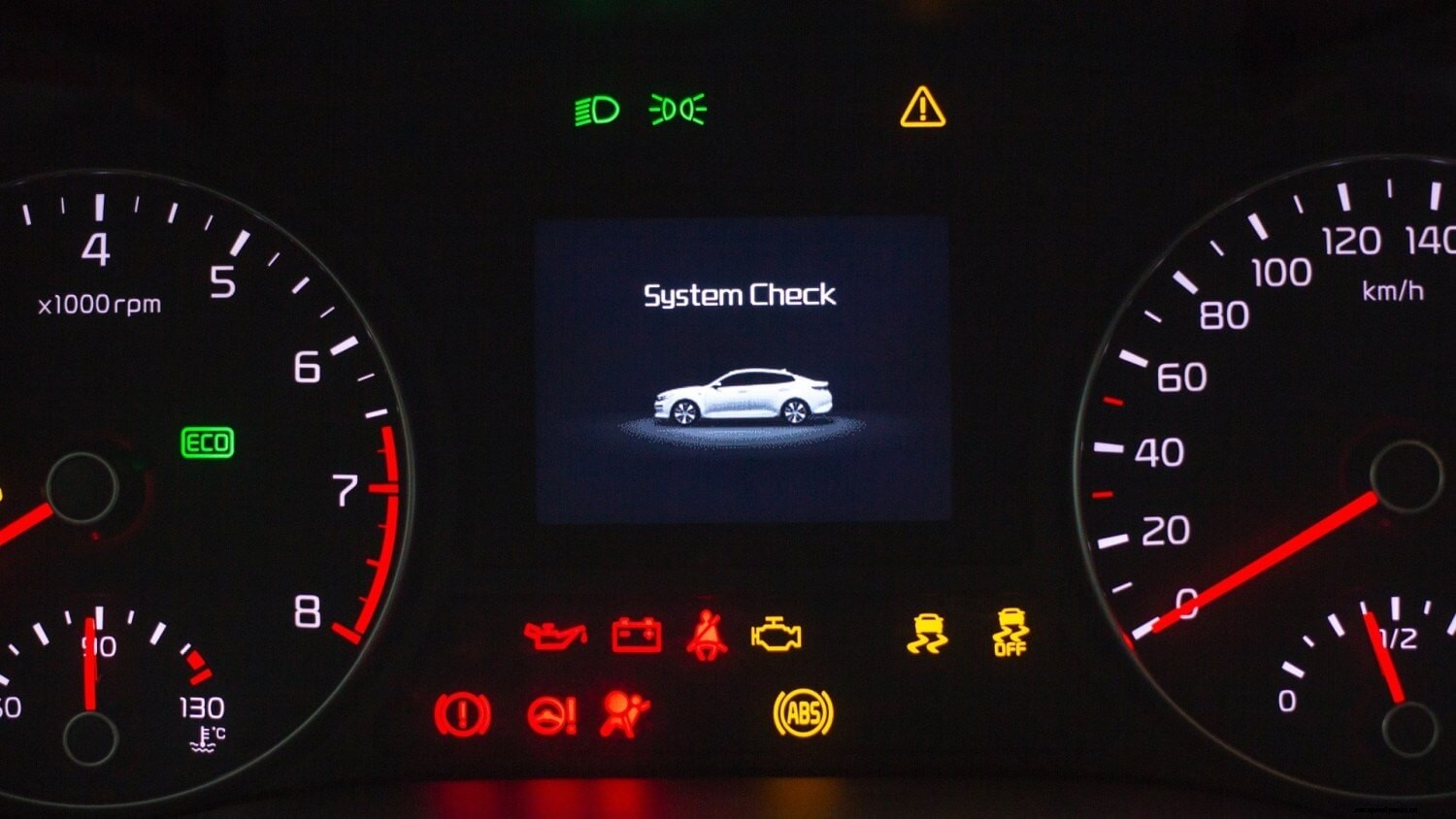
The check engine light on your dashboard is used to indicate a malfunction issue and if it comes on, it should be resolved immediately. In such a scenario, you could run a diagnosis by connecting an OBDII scanner to the Diagnostic Link Connector (DLC). Once you got the error code, you will know what’s causing the check engine warning light to activate.
Fortunately, you can tell if your engine is in good condition by paying closer attention to its sound. All you need to do is park the car in a quiet place, switch off the radio and let the engine run for at least five minutes. When the engine is running, concentrate on the sound and if you hear anything weird like a clicking noise, you should call a mechanic.
Next, you should do a test drive around the neighborhood to be sure you didn’t miss anything. Just drive around at the normal speed for a few minutes while listening to the engine sound. Again, if you notice any weird noises, you ought to consult a professional car technician.
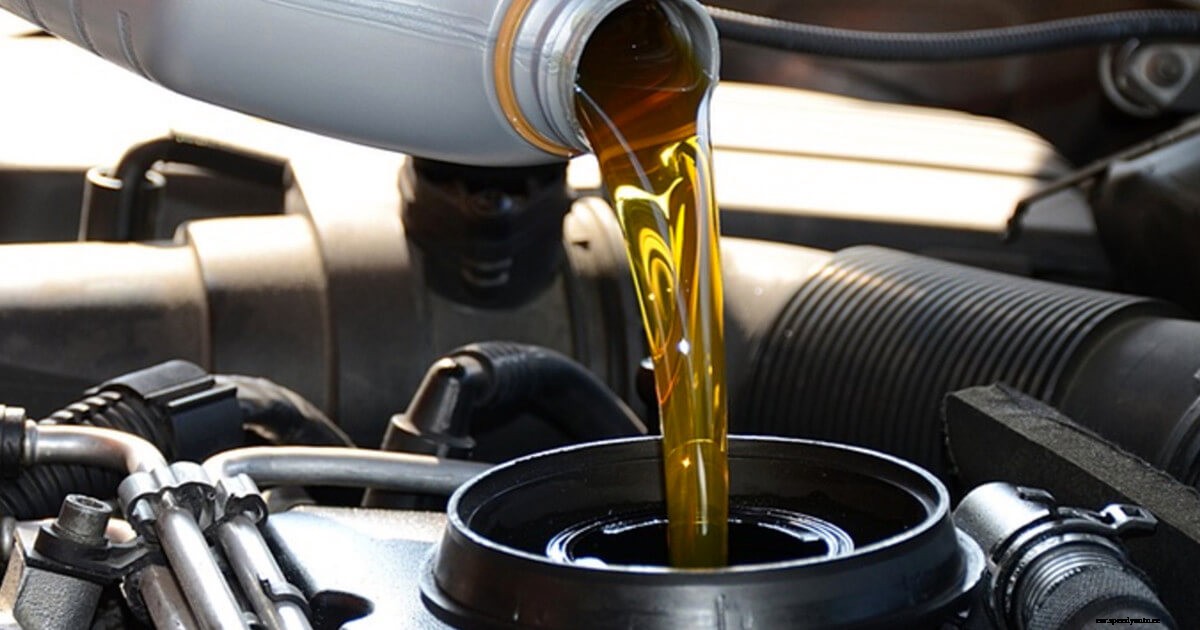
Since you will be covering a lot of miles during your road trip, it’s crucial to change your oil if it’s due. If you’re not sure, you can check the owner’s manual to confirm the oil change intervals. Also, it would be wise to carry some extra oil in the trunk in case you reach the recommended oil change mileage during your road trip.
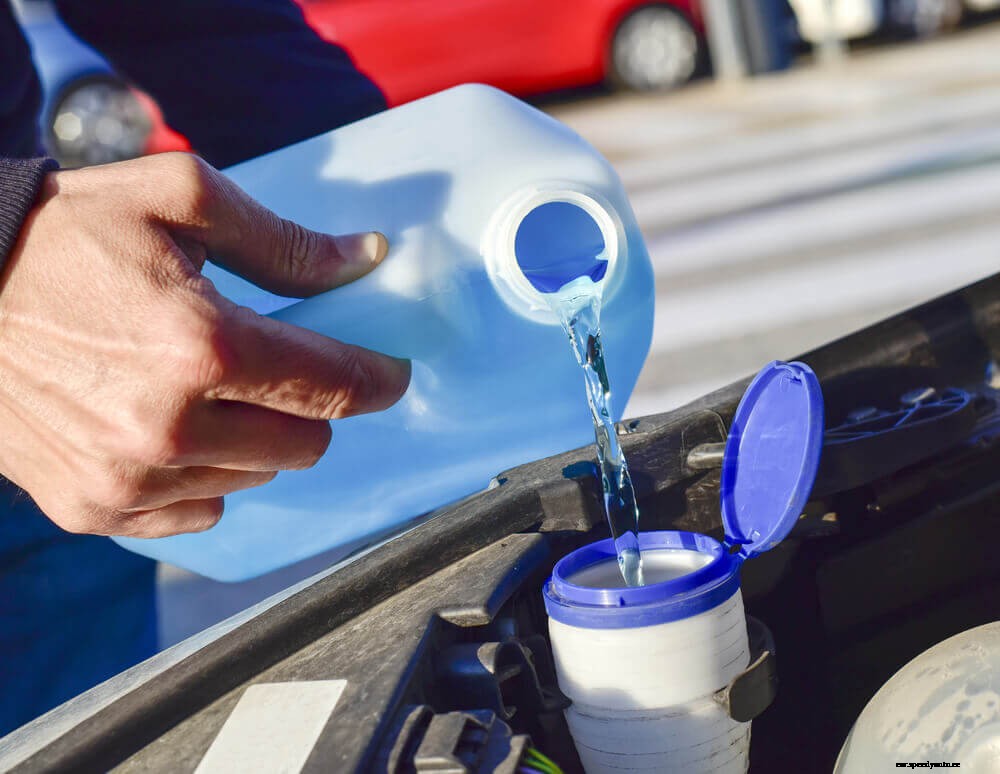
It is not just the engine oil that you should check but also the brake fluid, radiator fluid, and windshield washer. Don’t worry, the process should only take a few minutes and you can check the car’s manual to identify the compartments. Most people at the oil service stations will check out those fluids as a pro bono.
Even though the air filter is rarely replaced, it won’t hurt to check its condition before a road trip. To do that, you need to open the airbox attached to the intake and inspect the air filter. A well-conditioned air filter should be white and clean with no signs of debris. However, if it’s too dirty, it needs to be replaced.
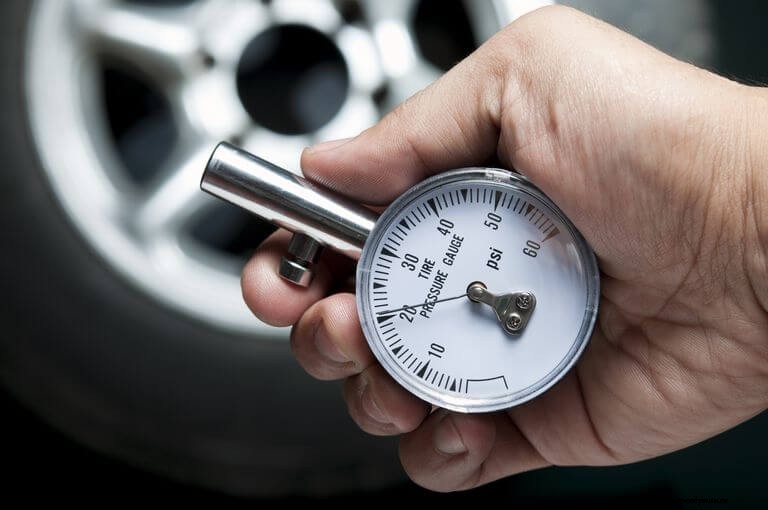
Unless you want to risk a tire blow out, there is no good reason to drive with low or over-inflated tires. Besides, it disrupts the fuel economy. You can use a tire gauge to monitor the air pressure. Hint: The owner’s manual or the tires’ ratings will tell you how much pressure you need.
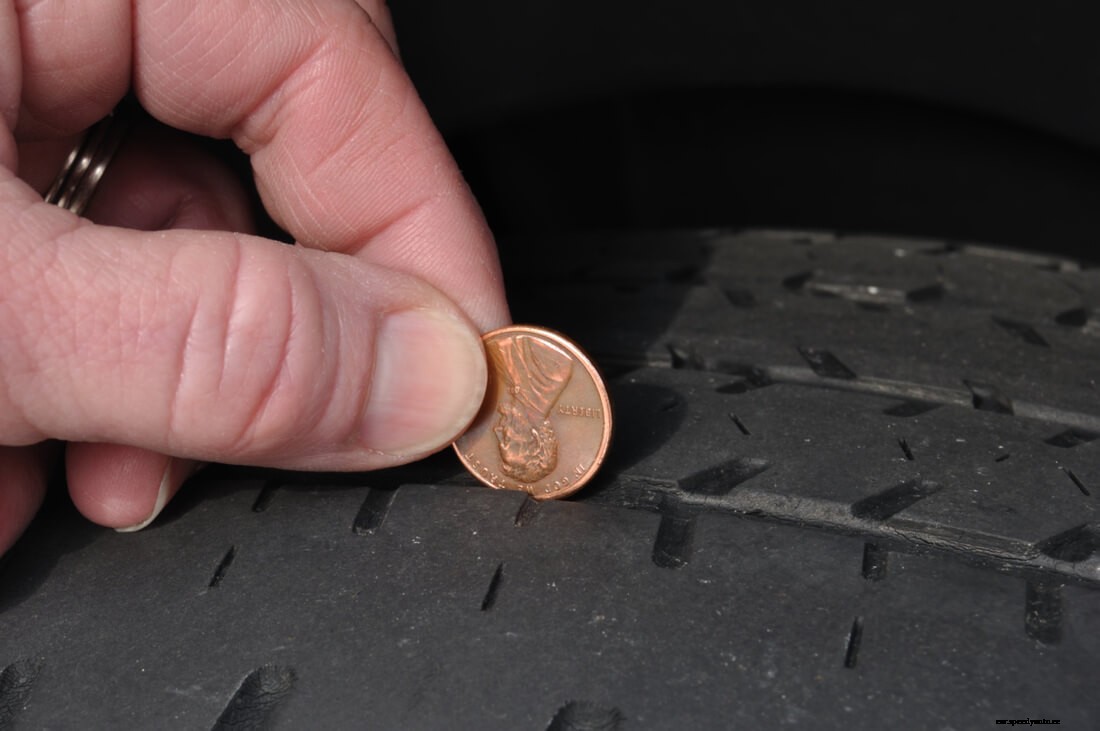
If you didn’t know, there is a procedure known as a ‘penny test’ that is used to check if the tires are worn out. Apparently, you put a Lincoln penny in upside-down position between the tire treads and if Lincoln’s forehead is swallowed by the tire treads, you’re good to go. However, if you see the top of Lincoln’s head, it means the tire treads are worn out and a replacement is required.
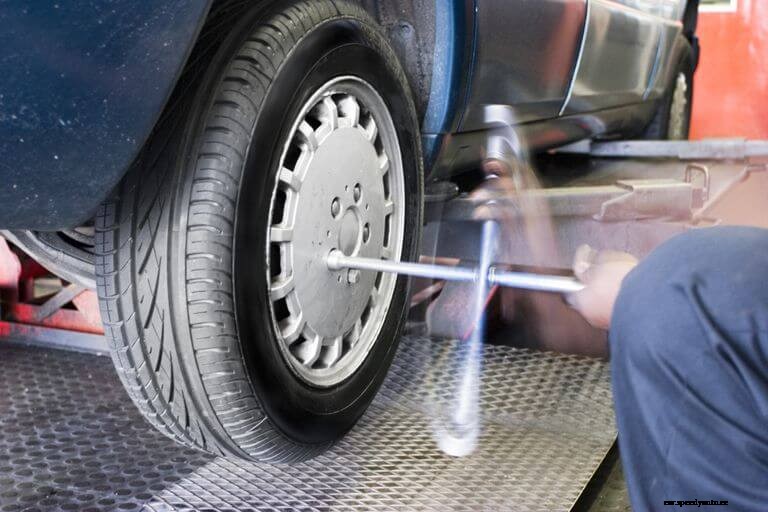
Here is the thing; rotating the tires ensures that your tires will wear out evenly during the road trip. Also, it extends the lifespan of your tires. Most car manufacturers recommend the tires to be rotated after every 5,000 to 8,000 miles. It’s almost the same mileage interval as the oil change schedule. Mind you, front-wheel vehicles require frequent tire rotation than four-wheel-drive vehicles. If you want to get it done, just visit the nearest vehicle repair shop.
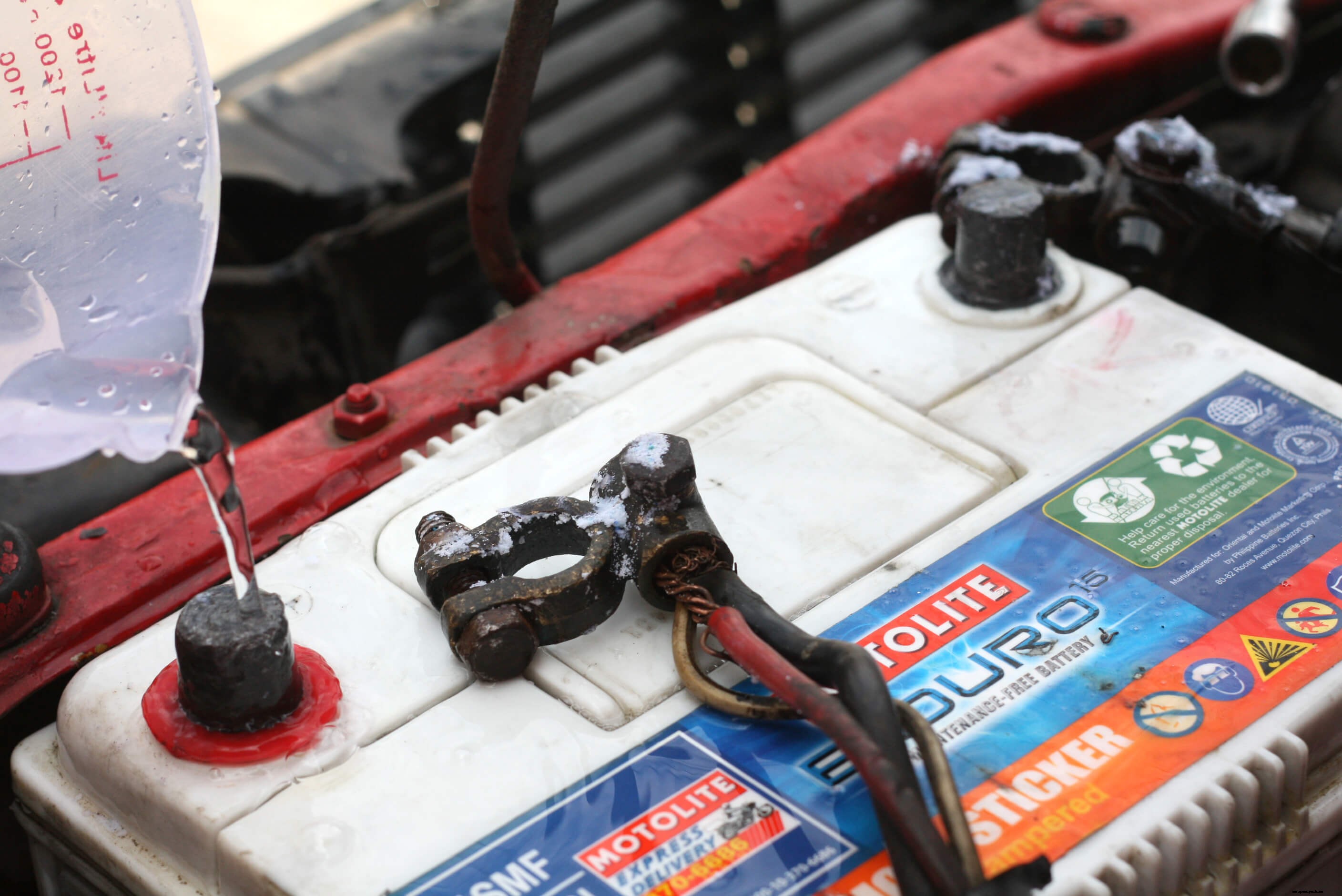
Corrosion on your battery terminals can affect the performance of your vehicle’s electrical system. What should you do about it? Just identify the corrosion spot on the battery terminals and clean it off a cup of water mixed with 1 tablespoon of baking soda. It works like magic! Afterward, you can rinse the spot with a damp cloth. Don’t forget to confirm if the battery straps are tightly fitted. Of course, you should make sure the car is switched off.
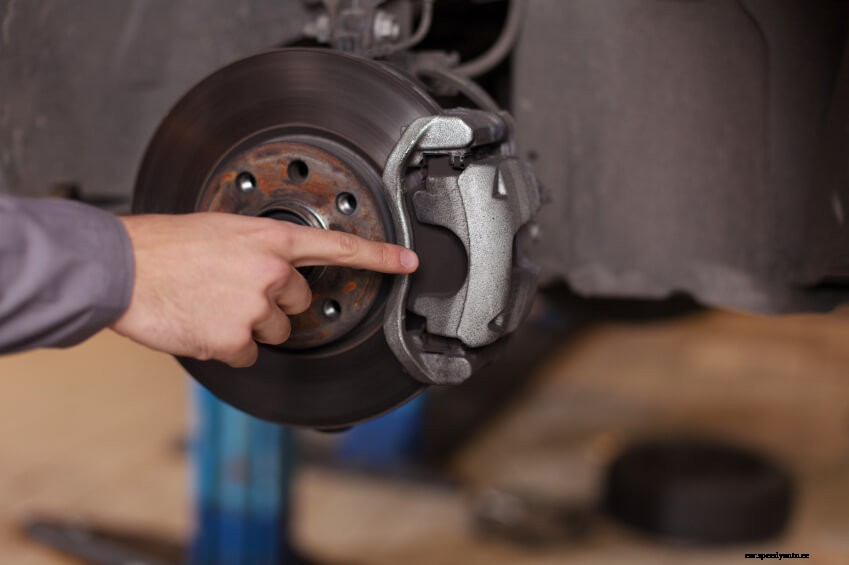
When driving around to listen to the engine sound, you should hit the brakes to examine any squealing noise. Besides the squealing noise, brake pads are usually changed after every 50,000 miles. Anyway, changing the brake pads is a delicate procedure and if it needs to be replaced, it would be better if you talk to a mechanic.
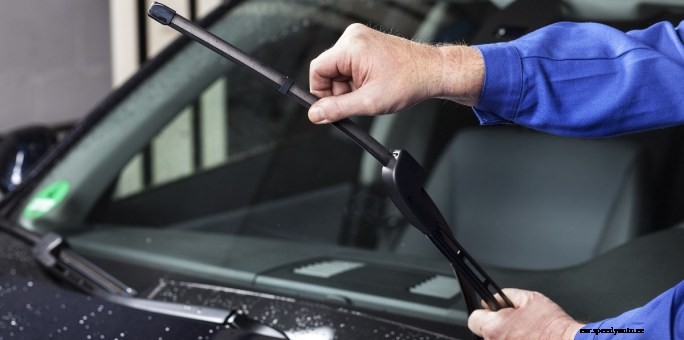
You don’t want to go on a road trip and find out that your windshield wipers are faulty, do you? An effective way to check the condition of your windshield wipers is to spray water or washer fluid and let the wipers run. If you notice the windshield wipers are slow or hear chattering sounds, it is time to replace your wipers. Another method is to visually examine the wipers for any signs of cracks or bent frames.
This part will only take a minute. Just turn on all the exterior lights (headlights, turn signals, and parking lights) to make sure everything is in order. While you’re at it, honk the horn a couple of times too. Additionally, don’t overlook the license plate light since in some states you can get pulled over and fined.
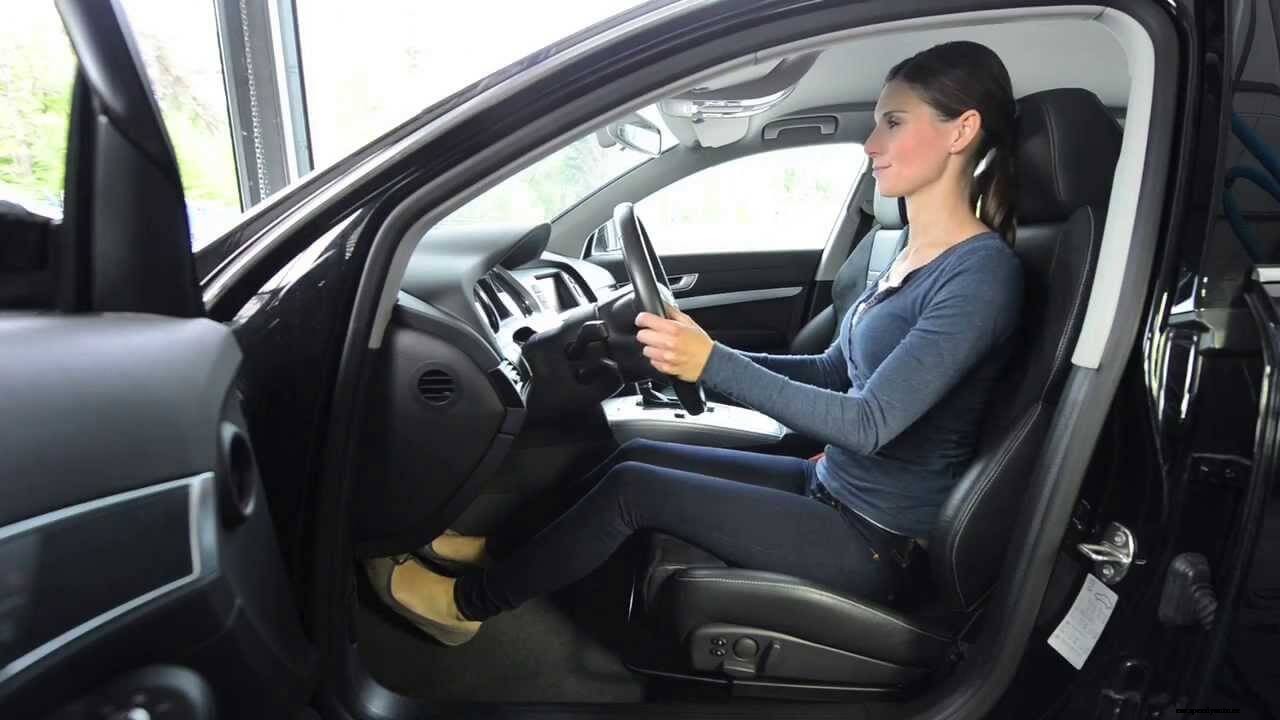
During the road trip, you will probably be sitting for long hours while driving. Obviously, if you don’t adjust the car seat to your preference, you will be uncomfortable throughout the trip. Quite often, most cars have memory buttons that can help to adjust the seat automatically to your preferred settings when changed to a different position.
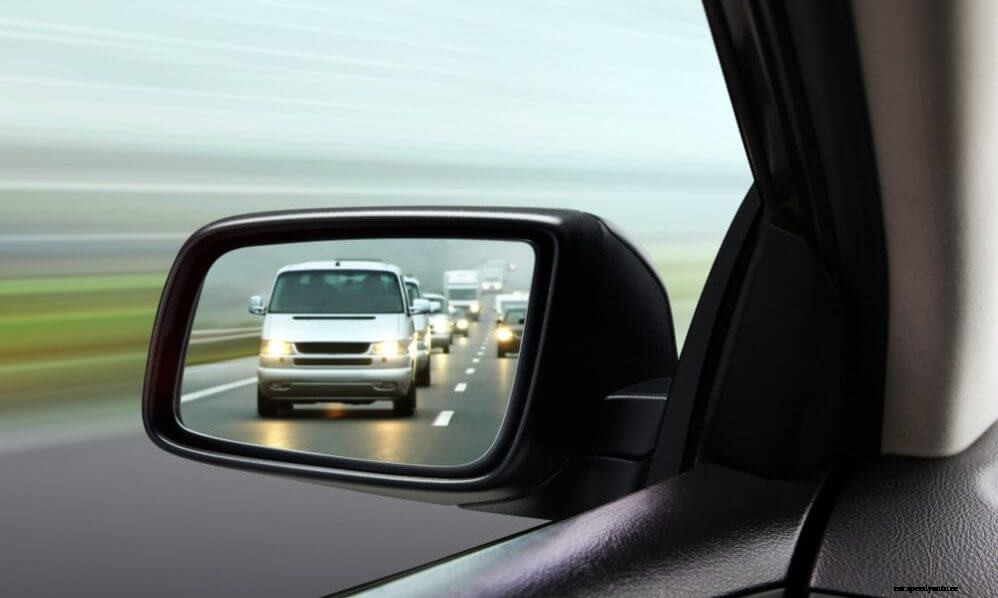
Just like the driver seat, you shouldn’t forget about the steering wheel position and side mirrors. In most vehicles, the steering wheel adjustment button is on the right side of the steering wheel or within a column that can be opened. On the other hand, the rearview mirrors adjustment buttons are easier to find since they’re next to the steering wheel. One important detail to remember; always make sure the steering wheel or side mirrors don’t interfere with your vision.
This part you can do it yourself: open the engine and observe the accessory belts. If you notice any cracks or shiny spots, it is a sign the belt ought to be replaced. Additionally, you should test the tension of the belt by pinching it with your thumb or forefinger and pushing it upwards or downwards. In case you mark more than an inch of space within the belt, you should get it replaced or tightened.
Is your insurance up to date? What about your driver’s license? Since you will most likely be driving from state to state during your road trip, you must carry all the necessary traveling documents. Definitely, you will get pulled over; so count on it.
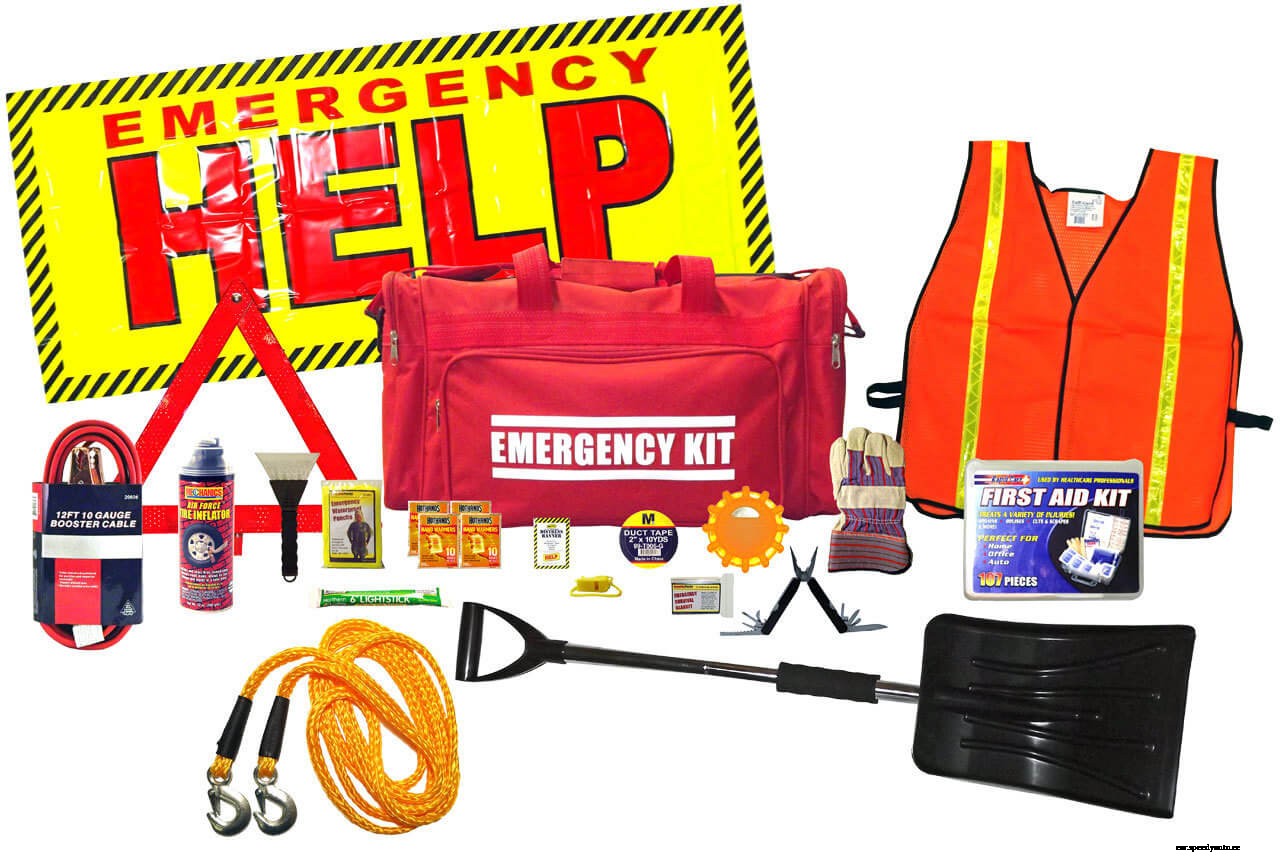
At the bare minimum, you should carry an emergency kit that includes an inflated spare tire, tire iron, tire jack, jumper cables, spare wipers, rain gear, flashlight, and road flares. Even so, you should bring a first aid kit, water, food, extra blankets, and a power bank to help you in case you’re stranded in the middle of nowhere.
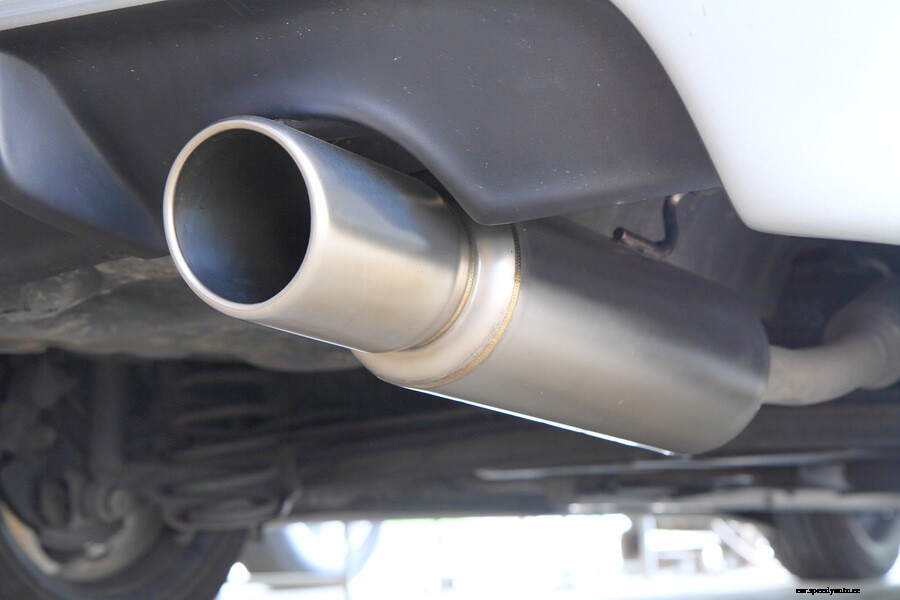
Apart from blowing a hole in your pocket due to a bad fuel economy, a defective exhaust pipe can get you pulled over in some states. To avoid such an inconvenience, you can park your vehicle, let the engine run and inspect the exhaust pipe for smoke. Better yet, you can let somebody else check it for you while you’re stepping on the gas pedal.
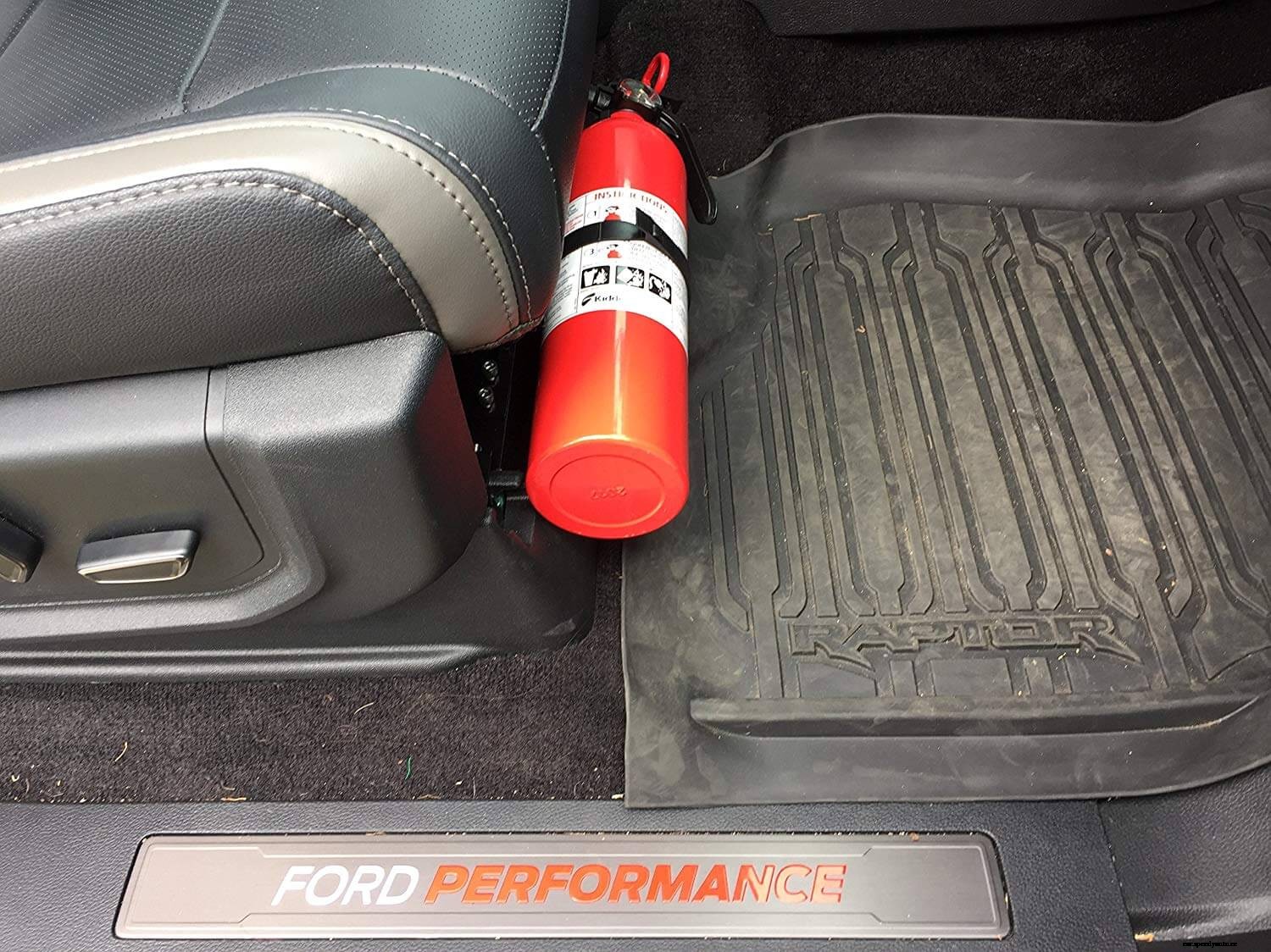
Most people don’t think they need a fire extinguisher until it’s time to use it. Furthermore, you’re legally obligated to carry a fire extinguisher in your vehicle in most places. Don’t just sit there and assume your fire extinguisher is filled up; check the pressure gauge to know its status.
It happens; sometimes people accidentally lock their keys in their vehicles or lose it somehow without getting it back. Regardless, you could carry a spare key to save yourself the trouble of trying to break into your car. As a general rule, don’t keep your spare key inside your car. Instead, carry it in a special key holder bracelet, wallet, or necklace and when you get back home, you can keep it in your room.
Unlike a short drive to the mall, a road trip will expose your car to all sorts of dirt and dust. If you don’t wash your car before the journey, you probably won’t find the convenience to do it later. Another thing; clean the windows thoroughly to improve your visibility.
While most road trippers will use their own car for their big trip, those visiting the USA for a vacation will need to rent a car for their road trip. In this case, this ultimate guide to car hire shows travellers everything they need to know about renting a car. They can find out the various categories and sizes of vehicles, how insurance works and insider tips to saving on a rental.
Here’s how it goes:

If you got something that you can’t travel without, throw it in your personal care kit. For instance, if you’re diabetic, carry insulin shots in your personal care kit. Similarly, if you’re asthmatic, don’t forget to carry your inhaler. A personal care kit could also include a few things like prescription drugs, emergency cash, sunscreen, hairbrush, toothpaste, tissues, toothbrush, and medical insurance card.
Besides the personal care kit, there are a few miscellaneous things you should remember, especially if you will be on the road for a long time. Top on the list should be a garbage bag since you don’t want your car to look like a pigsty. In addition to that, you can add a car cooler, pocket knife or multi-tool and duct tape.
A comfort kit is used to pack items that you probably don’t need but they can make your life easier on the road. For example, a hand sanitizer, flip-flops, mints, lip gloss, deodorant, sunglasses, travel pillow, coffee mug, thermos, water bottle, and a shopping bag.
Of course, you will carry a smartphone but it will be useless when it runs out of battery. If it must be spelled out for you, carry your phone charger, back up smartphone battery and a power bank. Sure, you can also throw in a decent camera to capture those beautiful landscapes and a portable Wi-Fi device to connect you online.
It sounds old school but a paper map can help you when everything goes south or you reach a point with no mobile service. Other items that may help; an umbrella, bug spray, notebook, extra clothes, and air freshener.
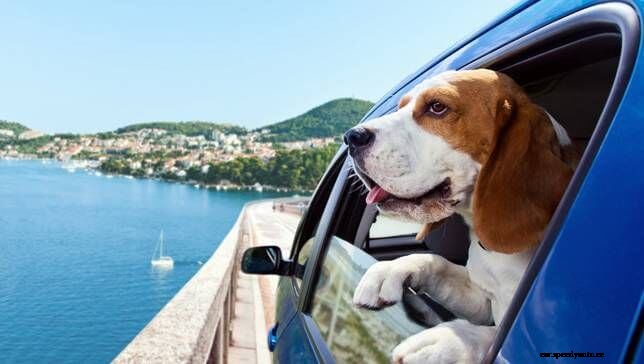
If you’re one of those folks who can’t travel without their pets, you should get a pet crate to prevent the pet from distracting you while driving. Alternatively, you could use a crash-tested seatbelt harness to secure your cat or dog. Also, don’t forget to pack any vet prescribed medication to prevent pet car sickness or to calm down anxiety. Besides that, a tag collar ID or a microchip tracker might help in case your pet gets lost during the road trip.
If the weather forecast tells you to prepare for snow or below zero degrees to wherever you’re going, you better carry an ice scraper, snow brush, and a snow shovel. On top of that, you can add some gloves, antifreeze and windshield washer fluid.
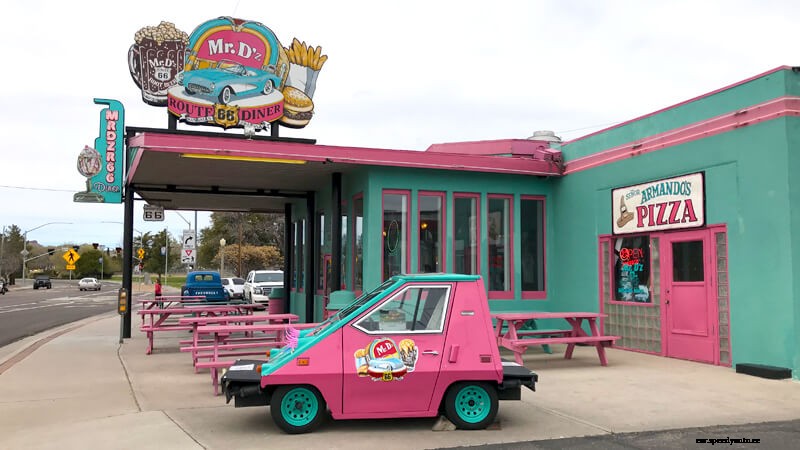
Believe it or not, there are some places you could drive for miles without finding a restaurant along the road. Nevertheless, you can use Google Maps and GPS devices to find the nearest restaurants, motels, garages, grocery stores and parks for a stop-over.
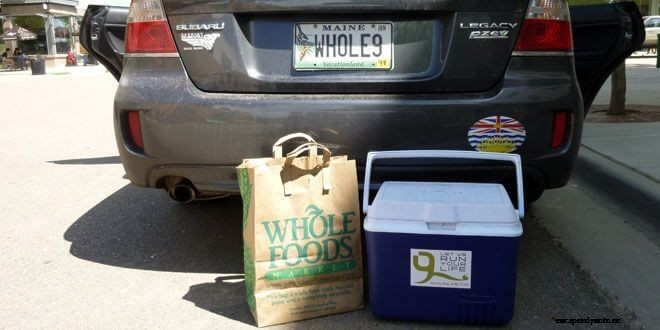
Instead of trying to eat out in a restaurant, you could prepare food at home and pack it in a car cooler or portable fridge. Thanks to modern technology, you can pack food for days in a cooler or below zero degrees in a portable fridge. You can even carry a portable gas cooker in your trunk to cook up some food.

It can be easy to get stuck up on junk foods when you’re on a road trip especially considering most roadside restaurants are limited to fast food. Anyway, if you want to eat a well-balanced diet, you have to group the packed food based on the nutrients; protein, complex carbs, healthy fats, fruits, and vegetables. Just don’t eat and drive.

Since you’re going on a road trip, your best options are the proteins that don’t spoil easily. Some few suggestions include; nuts, seeds, hard-boiled eggs, string cheese, cottage cheese, protein powder, hummus, KIND bars, jerky (chicken, beef, fish, and turkey), tuna pouches and seed butter.

Keep in mind that some fruits like avocados, bananas or grapes can spoil fast so you have to store them in controlled room temperature. Also, don’t mix up different fruits in one container if you don’t want them to spoil quickly. However, if you want fruits that could last longer during the trip, you could pick oranges and apples. Also, you can choose dried and freeze fruits or fruit bars; although, fresh fruits are a better option.

For the vegetables, there are a lot of options you could consider. For instance, you could opt for a salad, vegetable juice or sliced fresh veggies with a touch of guacamole, salsa or hummus. Additionally, if you want veggies that last longer, you could pack freeze-dried veggies and vegetable juice powder.
A well-balanced diet wouldn’t be complete without some healthy fats. Instead of eating junk foods with too much cholesterol, go for a better healthy fats options like avocados, pack of olives, chia seeds, and ground flaxseeds.

Complex carbs supply energy to the body and reduce the risk of chronic diseases. Some of the foods you can pack that contain complex carbs include; oats, popcorn, bread (you can make a salad sandwich), crackers and baked potatoes. In contrast, complex carbs can last longer than veggies and fruits.

If you don’t hydrate yourself, you will feel sluggish during the road trip. As cliché as it may sound, drinking enough water helps to reduce fatigue. Drinking coffee during the road trip is also okay, but don’t overdo it. Too much caffeine will make you feel agitated and fatigued. Not to mention, it can lead to muscle tremors and hydration. Lastly, don’t drink and drive.
You know when you eat something and your hands get all greasy? Then you get behind the steering wheel and it becomes slippery? No, you don’t have to wipe your hands using your clothes or seat covers; that’s gross! A disposable napkin can save you all the trouble.
Although wet wipes can be used like napkins to wipe off your hands, they’re better for wiping off the seat covers, especially if you have a child or a pet. Another thing; antibacterial wet wipes are usually the most effective.
You can’t pack food and forget paper plates and plastic cutlery, can you? The good thing about paper plates is that they’re disposal and you don’t need to worry about cleaning after usage. Then again, you can use recyclable plates and cutlery to reduce environmental waste.

Sometimes when it gets boring during the road trip, you can play a few mind games with your friends or family. Here are a few ideas; somebody names an item and the next person names another item starting with the last letter of the previous item. Better yet, you can play the 20 questions game where you try to guess a person, place or thing through ‘yes’ or ‘no’ 20 questions or less.
There are millions of podcasts available online, but the real challenge is finding a podcast that you like. Nevertheless, there are a lot of great recommendations from apps such as Spotify, Radio Public, TuneIn Radio and Apple Podcasts where you can access some of the most streamed and critically acclaimed podcasts. You can even download a few podcast episodes at home to avoid slow network issues when traveling.
Just like podcasts, there are plenty of best-selling audiobooks like Harry Potter, A song of Ice and Fire, Outlander, Stone Mattress and Becoming. If you didn’t know, most audiobook service apps like Audible offer a free trial during the first 30 days of signing up. Similarly, you can substitute an audiobook with an audio recorded stand-up comedy show to give you a few laughs on the road.
As they say, music is food for the soul and without a consistent playlist, it would probably be a dull road trip. Anyway, you can create your personal playlist or find the latest DJ mix online via streaming apps. Another option would be to listen to the radio and let it decide for you.
Since you will not be driving all the time, you can find some movies and TV shows to watch when you take a long break. Also, movies and TV shows would be a great way to keep your kids or passengers occupied. Well, you don’t need to carry a Bluray DVD anymore; just stream via Netflix or Amazon Prime Video.
Want to get distracted while somebody else is driving the car? How about you read a novel. Moreover, there are people who like reading a book the old fashioned way than listening to an audiobook. If anything, it gives you a better concentration. The only downside is that you can’t read while driving.
Most people nowadays spend most of their time staring at their smartphones anyway, so at least a video game on your phone will keep you entertained when the internet is down. Just remember, don’t overdo it or else you will run out of battery quicker.
A few takeaways before you embark on your road trip: Don’t compromise on safety. In other words, avoid getting distracted like staring at your phone at the steering wheel, over speeding or driving under the influence of drugs and alcohol. If you feel you’re tired after a long drive, there is no shame in pulling over and getting enough sleep. Usually, it would do you some good to take a break to stretch out or eat something after 3 or 4 hours of non-stop driving.
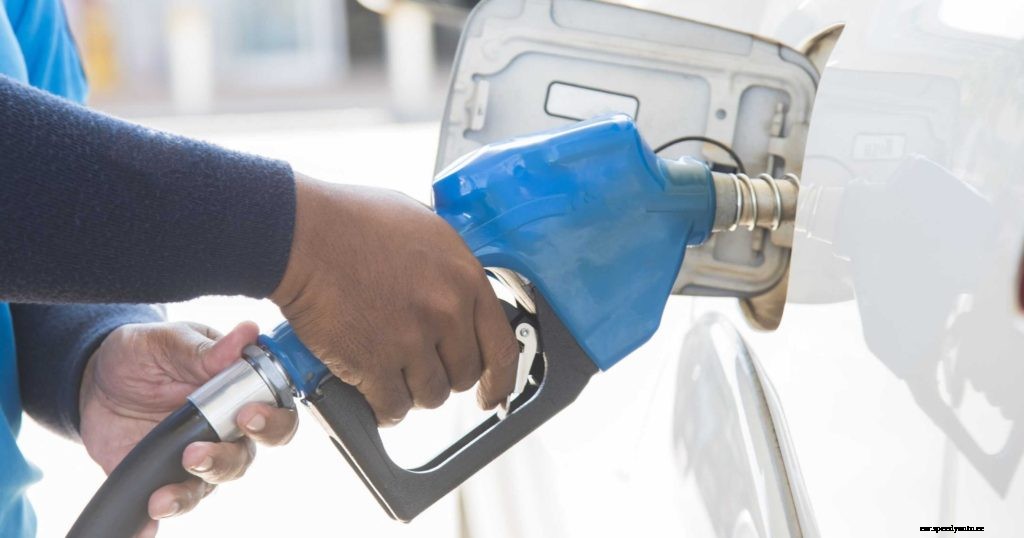
Secondly, don’t go on a road trip if you don’t know how to change a flat tire. Also, there could be some dead zones where you won’t find any nearby gas stations, so it would be wise to estimate when you need to refill the tank. Finally, don’t forget to pack a good sense of humor and ride with an enjoyable company.
