
There was a time when glass was the preferred material for making headlights. However most headlights are now made of a strong plastic (polycarbonate plastic) which is lighter, requires less care, and is not as fragile as glass, making it perfect for handling harsh road conditions without cracking or breaking.
The downside to these strong polycarbonate plastic headlights is that they become cloudy or tarnished as a result of oxidation from being exposed to the elements, which leaves you with the question ‘how do you clean oxidized headlights?’
If you thought the cloudiness was as a direct result of something you are not doing, you can breathe a sigh of relief because all is not lost. In this article, we’re going to address how to clean oxidized headlights, as well as suggest actions you can take to salvage the look of your headlights.
Plastic headlights oxidize after some time, but why do they do so?
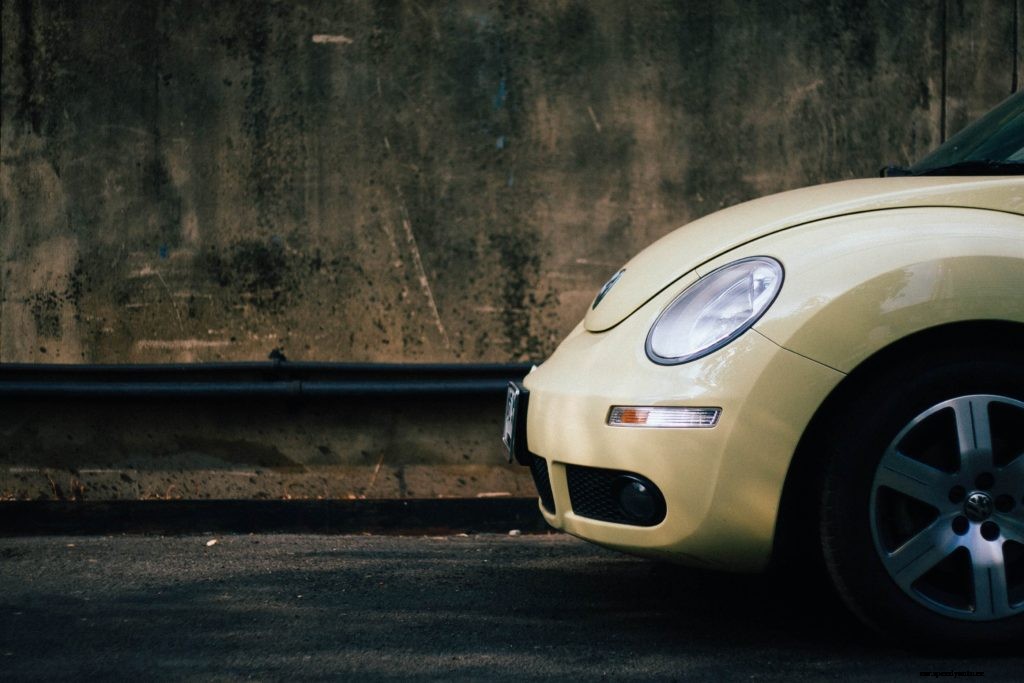
The number one reason headlights ‘fog up’ or oxidize is due to exposure to sun’s UV rays.
When these UV rays hit the surface of the plastic, it causes the surface coating to breakdown, leaving tiny pockmarks which have two effects:
These natural pitting reduce the transparency on the plastic thereby dispersing the light and giving it a dim look, but that’s not all, these pockmarks can collect lots of rad debris that will refuse to come off no matter how much scrubbing you do.
The result is a headlight that has a yellowish tinge and feels rough to the touch when you run your fingers across the lens.
If that sounds like bad news, it is.
And it’s not because they now need to be replaced, but because it can reduce night time vision, and depending on how bad it has deteriorated, might fail to meet regulations.
So let’s look at some DIY tasks that can help you restore your night time vision to factory spec in no time.
Here’s a rundown of the steps involved:
To remove oxidation from headlights you will need:
A mild abrasive (example toothpaste, baking soda or a polish kit), car wax, work gloves for those with sensitive skin, a clean rag, car cleaning soap, and water.
Depending on the method you chose, you might need as much as two or three microfiber towels to get the job done.
One for spreading the abrasive, another for wiping the headlight clean, and the last one for applying a UV sealant.
Start by washing the headlight with car cleaning soap and warm water, making sure to give it a really good scrub to get rid of the debris, grit, and grime lodged in the mini-pits caused by oxidation.
Failure to do this and you might as well be rubbing dirt all over the headlight, perhaps worsening it.
Scrubbing the headlight with circular strokes will dislodge more debris.
Allow it to air-dry or use a rag to wipe the water off then inspect the headlights closely to determine if it is really oxidation or tiny scratches from flying projectiles.
Cover the surrounding area with masking tape to protect it from any cleaner you might be using on the headlights.
There are many methods to help you restore the look of your headlight, some are more effective than others, some require more resources to complete the job, so pick according to what you have at hand.
The best methods to clean oxidized headlights are:
That’s right, toothpaste works well at removing oxidation from headlights, but before you rush out to smear your headlights with Colgate, you should pay attention to the type of toothpaste that actually works as expected so you don’t end up sealing the lens to the elements after getting rid of the oxidation on the headlight.
The granular makeup of toothpaste is specially designed to remove food remnants from the tooth’s surface.
When applied to the surface of a foggy headlight it helps loosen and get rid of the grime and debris lodged on the headlight thereby restoring its look.
As you smear and rub the toothpaste all over the headlight you’ll notice the color of the toothpaste get darker depending on the severity of the oxidation.
This is good because it means that the toothpaste is removing the oxidation and particles that are making the headlight foggy.
Once you’re satisfied with the work you’ve done, rinse the headlight with warm water and allow it to air-dry before applying automotive wax to protect the headlight from fresh debris.
Get a glass kitchenware and pour baking soda into the bowl. Use a wooden spatula to turn the solution as you pour the white vinegar into the bowl of baking soda.
This will create an acid-base reaction that can help you remove the oxidation.
Swirl the solution for some time then dip a soft, clean rag into the solution and apply it to the headlight.
When you’re done, get another rag and wipe the headlight. Now finish the process with automotive wax.
One popular home DIY technique for restoring car headlights is using a bug repellant that contains a chemical known as ‘deet.’
Though it works and is very effective at removing oxidation from car headlights, it is also harmful as the other chemicals in the repellant have the ability to eat into the plastic if they sit for too long on its surface.
So, if you choose to use this method make it quick.
Using a similar method as the ‘toothpaste’ method, work the automotive polish in a circular motion all over the headlight and continue rubbing it firmly for about five to ten minutes on each headlight to get rid of any residue.
As the look of the headlight improves, use warm water to rinse the polish off of the headlight.
The best way to restore the look of a foggy headlight is to get it done by a professional.
The next best way to do so is to get a DIY automotive polish kit from your local automotive shop.
The kit includes a polishing substance, a microfiber buff pad, and instructions to restore the headlight.
Apply the polish on the headlight and let it sit for about three minutes.
Now, take a cordless drill or buffer and attach the buffer pad that was included in the polish kit.
Take a moment to apply some polishing compound on the buffer pad, set it to the recommended setting, then begin the buffing process.
Clean the headlight once you’re satisfied with the result or you see improvement.
In most cases, oxidation causes the headlight to look foggy, but sometimes it might just be moisture forming on the inside on the glass.
You might notice this when driving during the wet season or after very heavy rainfall. If your headlight is affected by tiny droplets of water collecting on the inside of the headlight, then you’ll need to remove the headlight cover and repair the problem.
If this is something you don’t have the expertise to perform without causing more damage, then you should call a professional.
If you go off-road often, your headlight is likely to suffer from more than just normal oxidation.
The wear and tear induced by loose projectiles, shrubs, and hard road chemicals can leave deep pits and scratches on the headlight.
This one is more difficult to handle with the toothpaste or baking soda method mentioned above.
If you’re looking at light scratches on the headlight, then you need to apply precise abrasive force to get rid of unsightly scratches.
Here’s how to go about it.
If you suck at sourcing for the right material for a DIY, then you might as well stop right here so you don’t do more damage to your headlights because this method calls for the right kind of sandpaper with a slightly different grit.
You’ll need to find fine-grit sandpapers of around 800-1000 grit rating. And also get 1500, 2000, 2500, and 3000 grit sandpapers to make the job look professional.
Start the process by protecting the paint with tape, moistening the headlight with warm soapy water, then start working on the headlight with the 800 grit sandpaper and work your way up to the 3000 grit sandpaper.
Make sure to keep the headlight moist throughout the process to keep from creating such uneven scratches in the plastic headlight.
You can keep a spray bottle of warm soapy water your free hand for moistening the headlight intermittently.
I have to warn you, this process is very slow and labor-intensive because you’re using some of the finest sandpapers.
After sanding the headlight with one sandpaper, say the 800 grit, wipe the headlight clean and then give the light a quick polish before proceeding to the next grit.
This helps remove loose particles from the headlight so you don’t just rub them all over, and it also helps you see the trouble spots that need attention.
If you observe routine car maintenance, you will not need to touch your headlights very often.
One good piece of advice to keep the headlight looking sharp is to apply a small buffer every four to six months to keep the oxidation at bay, or at least from getting too bad quickly.
In truth, there’s very little you can do to stop the process, but by using headlight covers you can protect the headlight from harmful UV light, chips, and grime that make the headlight look foggy.
These fixes for an oxidized headlight should only be carried out when necessary, especially when using buffing pad or wet sandpaper methods.
This is because when you’re sanding the headlight you’re removing tiny layers of plastic from the headlight and this makes it vulnerable to cracks and scratches.
If you are not satisfied with your results, then you should consider taking your car to a professional.
They will let you know if it’s repairable, what to expect, or if it is far gone and needs to be replaced.
