
The fuel pressure regulator is a common component found in different forms on all internal combustion engines, but before we even begin to answer the question ‘what are the symptoms of a bad fuel pressure regulator?’ We need to know the role of this component in the engine.
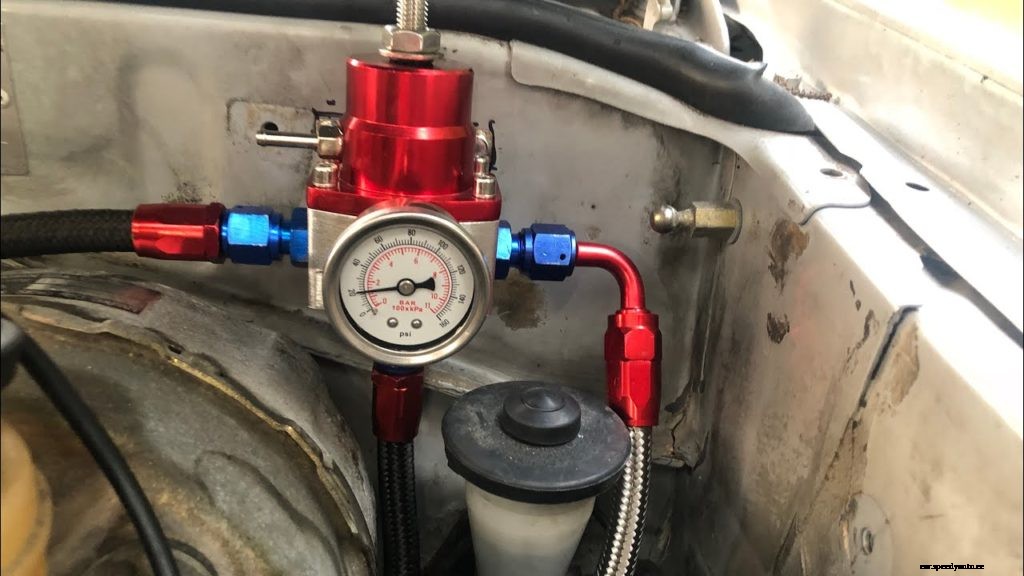
The job of this component is just like the name sounds. It is an engine management component that is responsible for regulating the fuel pressure of the engine by altering the pressure whenever necessary.
Though present in all internal combustion engines, the fuel pressure regulator varies from engine to engine since each requires a different amount of fuel. And also, seeing as it plays an integral role in the distribution of fuel to the engine, if the component develops a fault it can cause performance issues in the vehicle.
The good news is that the symptoms of a bad pressure regulator are easy to spot, and the component can easily be replaced. In this article, we’ll go over the symptoms of a bad fuel pressure regulator as well as the estimated cost of getting it replaced.
The fuel pressure regulator has a connection to the engine control unit (the central computer that monitors and optimizes the operation of the engine and other related systems). The fuel pressure regulator is responsible for delivering the right quantity of fuel into the combustion chamber.
The process starts all the way from the fuel tank. When you turn on the engine the fuel pump begins drawing fuel from the tank and pushes it past the fuel filter. The filtered fuel moves through a fuel line into the injector pump, from here the fuel injector delivers the fuel into the combustion chamber at precise intervals.
The fuel pressure regulator ensures that the fuel delivered from the fuel pump does not exceed the amount and pressure required. A simple analogy is a TV guard that protects the TV from a power surge.
So, in a situation where the fuel pressure exceeds the recommended pressure, the regulator blocks the flow and returns the excess back to the fuel tank. This might be when the engine is running at a lower RPM, which doesn’t require much fuel.
Though many fuel pressure regulators change the fuel pressure with the help of vacuum-operated mechanical diaphragms, the modern ones are electronic and their mode of operation is quite different.
In both cases, proper maintenance of the fuel pressure regulator is essential, since it is directly responsible for distributing fuel to the engine. And a bad fuel pressure regulator will affect your engine’s performance.
Now that we know what the fuel pressure regulator does and how it works, you understand that having a bad fuel pressure regulator means that the engine cannot generate enough power because the combustion process is disturbed.
There are telltale signs that accompany a bad fuel pressure regulator, and we’ll look over them in a bit, but bear in mind that some of these symptoms could be caused by something different entirely.
When it comes to engine problems, a misfiring engine can be quite mysterious and frustrating. This happens to be one of the first noticeable symptoms of a bad fuel pressure regulator and you will notice this while driving at a constant speed.
Though the symptom varies slightly depending on the vehicle model, the experience is similar. Your car will slow down or stumble, then it will accelerate normally, then start the process all over. Even when you let the engine idle, it won’t run smoothly.
This is usually an indication of a fuel pressure regulator, but the symptom is also the same if you have a bad ignition system, damage in the vacuum lines, or problem within the manifold gasket.
Have you noticed an increase in the amount of fuel your vehicle uses or a strong gas smell in your vehicle? It could be because there’s a leak. So what could be the cause of the leak? This happens if the seal or diaphragm in the fuel pressure regulator is damaged or fails. Not only is fuel leakage a drain to your pocket, but it is also a health hazard and should be looked into right away.
Other causes of fuel leakage or odor that needs to be investigated are faulty seals, contaminants, filter problems, rust, and a broken fuel line.
First off, there are several reasons your vehicle might be producing grey or black smoke from the exhaust, but if your spark plugs are also covered in soot and the engine misfires, you have all the ingredients for a bad fuel pressure regulator. So check it out.
I’m a strong advocate for performing engine checks to ensure that your engine is in good working condition, and one such check is an engine oil check.
If you go to check your engine oil level and you can smell gasoline from the oil dipstick, then that’s a sign that your fuel pressure monitor is bad.
Sometimes when this component fails, it floods the combustion chamber more fuel than necessary and some of it finds a way into the engine oil.
One of the symptoms of a bad fuel pressure regulator is gas leaks from the tailpipe, this happens because excess gasoline floods the fuel lines and overfills the exhaust system. You may also notice gasoline in the vacuum hose.
All you need to confirm if the fuel pressure regulator is faulty is to unplug the vacuum hose from the fuel pressure regulator and inspect the hose for gasoline. If the hose is dripping with gasoline, then your fuel pressure regulator is faulty.
The rising cost of gasoline means you have to be wary of the little things that may be responsible for your car’s engine using up more fuel than necessary. Another very obvious symptom of a bad fuel pressure regulator is a drop in mileage.
This is because the faulty regulator is flooding the ignition system with more fuel than is necessary to run the car, which throws the fuel-air mixture off-balance and the whole system suffers for it.
If you’re visiting the gas station more than you used to, then you should consider getting the fuel pressure regulator inspected and also review your driving habit.
Problem accelerating, gas leaks, black exhaust gas, and engine misfire, these are enough to frustrate any driver, but the most annoying of all is when the engine just won’t start in the first few tries.
Sometimes your engine might decide to shut down while idling at a traffic light or refuse to come on in the morning. You shouldn’t confuse this with a battery-related starting problem though.
In the case of a bad fuel pressure regulator then the engine will produce staring sound, maybe jerk to life for a split second, then shut down once more because the pressure isn’t what the engine needs to start.
While there are many reasons this might be happening, a faulty fuel pressure regulator is one of those reasons.
Most modern cars now come equipped with an on-board computer for full-time monitoring of the sensors installed in the car.
When the sensors in the engine misbehave the monitoring system turns on the ‘check engine’ light to notify you of the problem. The good part is that with these newer models of cars, you don’t have to guess what the problem might be. The computer generates an error code specific to each problem in the system.
It is normal for the fuel pump to make a humming sound while in operation. In instances where the fuel regulator is bad, the noise can be quite annoying, especially when you’re just sitting there in traffic.
If the whirring noise is already getting on your nerves, then it’s time you got the pump and fuel pressure regulator inspected. The reason is that the pump often makes such noise when the pressure in the fuel line is off.
Depending on the make and model of your car, you might spend an average of $250-$340 for diagnosising and replacement of the unit. The unit costs around $60-$75, so you can save cost if you know how to DIY.
When you’ve figured out what the problem is, it’s quite easy to handle the replacement job yourself if you have mechanical knowledge since the fuel pressure regulator is easily accessible, but if you do not feel comfortable fixing the problem yourself, then you can always take your car to a professional.
