
Since the automobile industry began, car manufacturers, car tuners and car enthusiasts have been trying to out-perform each other in coming up with the fastest or most powerful car. Speed has always been exciting to man, and in his pursuit of it, he has gone to every length possible. In this article, we’re going to talk about how to increase horsepower in a car.
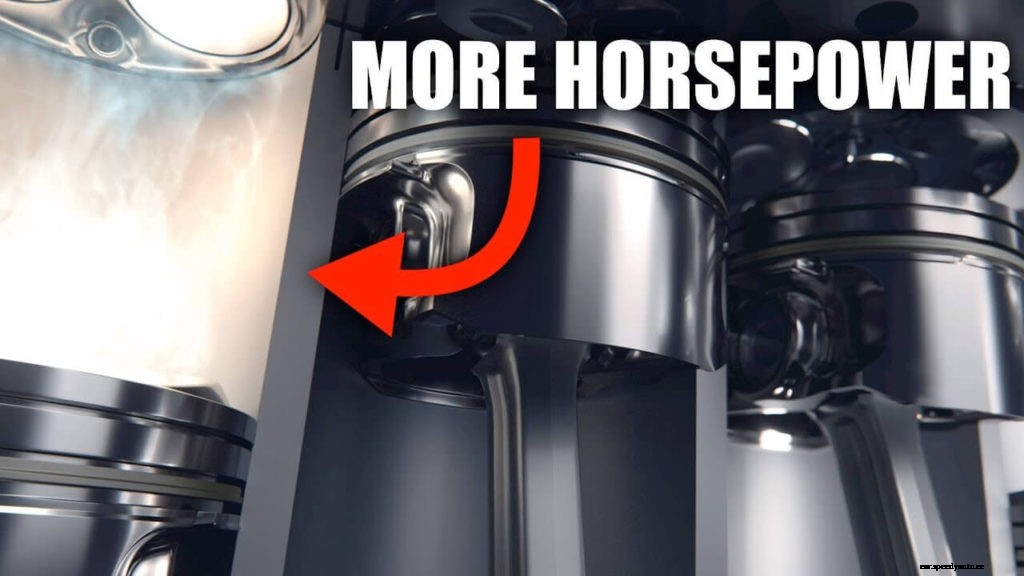
Through the efforts of motorheads racking their brains and putting their hearts and souls into getting more juice from the engine, we’ve witnessed cars with 1000-2000+ horsepower engines on the streets. How do they do it? It all comes down to the amount of horsepower an engine outputs. More horsepower means your vehicle can travel faster.
Unfortunately, increasing horsepower is nothing like putting more sugar into a cup of coffee. The process is a diligent one that requires advanced mechanical knowledge, making it something reserved for the experts. No worries though, we’ll show you a variety of ways, from mild to wild, on how to increase horsepower in a car.
Horsepower, you’ve heard it many times not just in the automotive world, but also in things like lawnmowers, water pumps, and car pressure washers.
Too bad, very few people who tweak cars for more horsepower know what it scientifically stands for, only that they want it, lots of it. It’s all about ‘mine has a bigger rating than yours.’ But, if you went to the person bragging about the horsepower of his car and asked him what horsepower meant, he would have little to no clue. Only that it is responsible for the car going faster. So, what exactly is horsepower and how do we get more of it?
The term was coined by a scientist named James Watt, who spent a lot of time watching horses working to power the mills. He had created a steam engine that he believed can “out-power” the horse 200 times over but found it difficult to explain to the millers using horse-labor how the technology compares to their horses.
To break it down for you to understand, horsepower is a single unit of power to represent the rate at which work is done. In simpler terms, the power that a horse exerts when pulling, or essentially the power required to lift a 550-pound weight one foot off of the ground in one second, or the power required to move a 33,000-pound weight one foot in a minute.
So now that we know the history of the energy unit, let’s figure out how to increase horsepower in a car.
Remember, horsepower is how much weight a horse can pull in a specific time and distance. That means you can simply make your car travel faster (on the same horsepower) by removing some redundant weight from your car.
In reality, this doesn’t add horsepower to the vehicle but makes it easier for the engine to carry the weight of the car. So get rid of extra or subwoofers you haven’t used in a long time, get strong but lighter shocks, remove spanners and wrenches you don’t use very often, or you can exchange some parts for ones made from carbon fiber, etc.
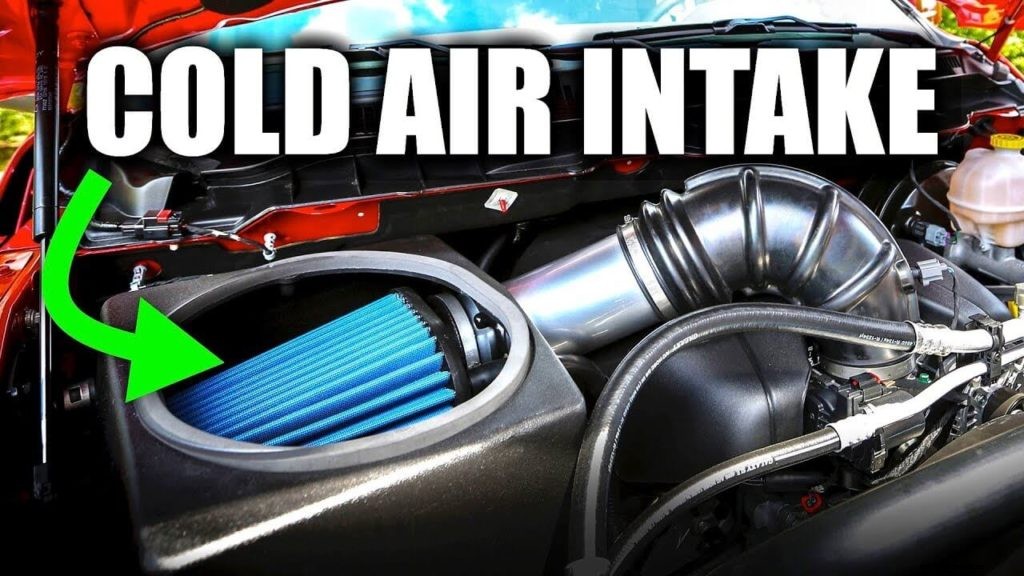
Though they are a good way to increase the horsepower of your engine, turbos are kind of costly. But someone came up with a cheaper alternative around the problem for a similar result. That alternative is a cold air intake.
Back of the idea is the science that a cold air intake pushes cool air into the combustion chamber, which happens to be denser than hot or warm air. More air in the combustion chamber will cause faster combustion of fuel. This is basically what happens when you rev the engine, more air is sent into the combustion chamber. Turbos have a similar effect, but they’re not as cheap as cold air intakes which will give you that initial boost you need.
You can experience a horsepower boost of 5-20 hp from adding a cold air intake, but if you need serious horsepower then getting a turbo or supercharger is the way to go.
In most cases the engine fitted in your car is not all that powerful, just about enough to get the car going. But that is the exact reason you are researching how to increase horsepower in a car! One way to increase horsepower is to install a displacement engine that’s bigger and more powerful than the previous engine.
A higher displacement engine with larger cylinders will use up more air, fuel, and produce more horsepower to drive the car.
Unfortunately, this method will only work if your engine bay has enough space to fit the displacement engine, and even at that, you have to consider the time, money, and expertise needed to move forward with the conversion.
Though this method consumes the most resources to implement, the reward is worth the effort since the displacement engine is more powerful than the previous engine.
One very basic but important part of a car engine is the camshaft. The movement of the camshaft is responsible for opening and closing the inlet and outlet valves at the precise moment.
You could achieve more horsepower if you install bigger cams or opt for a lifted cam setup. How does it work? It’s simple.
Lifted or bigger cams will keep the valves open for longer. When the valves stay open for longer intervals more fuel and air will enter the combustion chamber and the result will be high power output.
It comes at a cost though. If not properly installed, replacement cams could result in a poor fuel economy or reduce performance. That’s because installing a cam is not an easy task, and a lot of factors such as gear and compression ratio have to be taken into consideration.
The cheapest and easiest way to get lots of torque and horsepower in a modern car is to tune your engine control unit. Especially if you have a turbo engine, you can stand to gain close to 40 horsepower or more with a simple software upgrade. If you drive a non-turbo engine, you can expect a gain of 10-20 horsepower.
An aftermarket software (aka “flash”) is designed to explore the limits of your engine by adjusting the ignition timing to smoothen the output power delivered. Most times a software upgrade will require you to start using higher octane fuel or premium gas to prevent your car engine from pinging or knocking. Since it also allows the turbocharger to produce more boost pressure, many turbocharged vehicles see considerable power gains from ECU tuning which results in more horsepower.
The cost of a tune that’ll deliver the result you want is between $300-600. Be sure to purchase your software from a reputable tuner if you choose to go the software route.
For a car engine to produce an optimal performance it needs the perfect balance of fuel and air. You can achieve higher horsepower if you can make the engine burn and inject fuel faster. One method of achieving this is by installing a supercharger or turbocharger.
A turbocharger is a small component that can be installed in almost any engine. The equipment forces a jet of air into the air intake. The air which is delivered in large volume into the engine, helps speed up the rate of combustion. A supercharger does a similar job but the design differs.
At peak output, a turbocharger or supercharger can increase the horsepower of the system by 40 to 60 units. However, the units of horsepower a turbo adds to your engine will depend on the boost or psi of air it gives out, and the best part is that you rarely have to change the fuel or ignition system when installing a super or turbocharger!
Catalytic converters were built to help with the harmful gases produced by the combustion in the engine. The older model of cat converters was a bit restrictive in the amount of exhaust gas they allowed to leave the system, which ended stifling the intake of fresh air and, as a result, reduced engine performance.
Naturally, those that needed more power from their engines developed a grudge against cat converters, but at the time nothing could be done to remedy the situation since cat converters were, and are still required by the law.
Well, engineers have come out with improved cat converters that do not restrict the flow of exhaust gases. If your car still has the older version of cat converters that restrict the flow of exhaust gases with high-flow cat converters. You will notice an instant increase in horsepower.
After seeing what a clean and improved catalytic converter can do to the engine output, it shouldn’t surprise you that the configuration of your exhaust also affects how much horsepower you get from your car engine. That explains why you’d normally see a cat-back exhaust system in high-performance vehicles.
This is similar to any other exhaust except that the pipe after the cat converter has no curves. The straight pipe from the catalytic converter to the exit tip allows exhaust gases to leave the vehicle without restriction. Since exhaust gas leaves the system quickly, the engine can then breathe in and out with more freedom. This reduces the build-up of pressure in the system leading to an increase in horsepower and better performance. Depending on the engine, you can expect a gain of 10-20 horsepower from this modification.
This is basically a portable super/turbocharger in the sense that you can take it from car to car without much hassle or losing your investment. A NOS kit can cost you about $900-2500 and is considered illegal in most states. But, like a can of ‘air-maker,’ they can be used with a super/turbocharger to reduce lag and improve horsepower.
While this mod will not do much to improve horsepower on its own, it can increase your gas mileage while keeping carbon deposits in the combustion chambers low, as well as preventing the engine from pinging when you fill your gas tank with cheap gas. Combine this with a super or turbocharger and you’ll see significant gain in horsepower.
One of the major concerns and mistakes new car owners try to avoid is making any modification that affects the vehicle’s warranty. Many automakers will give the green-light for installation of performance parts provided it is installed by an authorized dealer, but not all are thrilled with owners attempting to modify their vehicles. It’s best to find out what your dealership allows and what they don’t so you know how to tread.
Another hurdle you need to overcome is in the form of emission regulations. Since most performance parts might increase emission, they are not deemed street legal and might get you into serious trouble if you didn’t know about it. It’s best to check the local emissions law before adding certain performance parts.
There are lots of ways to add horsepower to a car. In order to get a better engine horsepower rating, tuners have gone unbelievable lengths. Their hacks range from installing larger air intakes, twin turbos to pistons specially forged for better performance.
Some of the modifications deliver in the short term, but long term, they can drastically affect the vehicle’s fuel economy or long-term reliability.
As long as you have enough money in your pockets, there’s literally nothing stopping you from getting the maximum horsepower from a car. However, the methods listed here are practical and affordable. You do not have to be a hard-core enthusiast to implement one or more of them in your vehicle. Just choose what you want and run with it, don’t look back.
