
Keeping a car running safe and reliable can be expensive. So we need to be sure that we get the most out of every dollar we spend. Some auto maintenance expenses are reoccurring, like brakes and tires. These are wearable items that are expected to need replacement after so many miles. New tires are the reoccurring expense that can really break the bank. A good set of four tires can easily cost over $800.00. The plan is to make your tires last as long as possible.
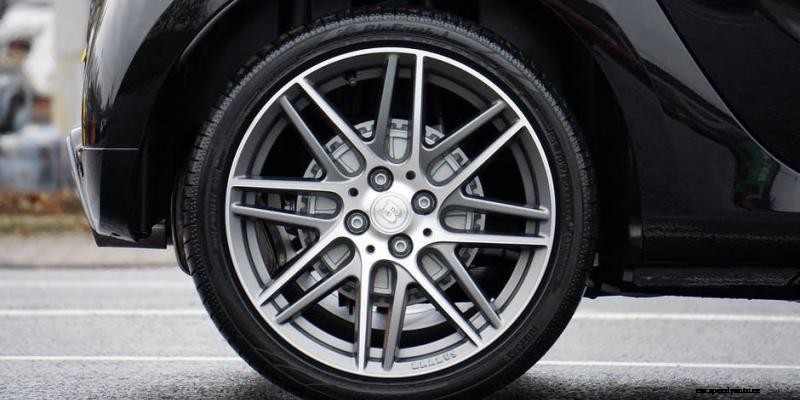
Extending the mileage that you get from your tires starts on the day you purchase them. Making the right choices from the beginning gives you a head start on long tire life.
Tread wear isn’t the only issue that warrants tire replacement. Tire age is just as important as tire wear. As tires get older they start to crack. This normally happens when a tire is four to six years old, depending on the climate where the tire lives. If you look closely at an aged tire you will see cracks along the sidewall and in between the treads. As a tire starts to crack, the rubber hardens, which means that the tire loses traction. Good tread does not mean good traction on an older tire. So the first step in making your tires last longer is to buy young tires.
There is a date code stamped on all tires sold in the United States. The code is located on the sidewall close to the rim. It’s located right after the DOT code. The DOT code is required by the Department of Transportation, and allows the government to track the production of, and the sale of tires. This code starts with DOT, and is followed by a short series of alphanumeric digits. The date code is located right after these digits.
The date code is four digits, all numbers. The first two numbers are the week, and the last two are the year that the tire was born. So if the date code is 3418, it was born in the 34th week of 2018. When purchasing tires, insist on tires that are less than six months old, and check the date code.
Located on the door jamb of your car is a sticker that shows the correct tire size for your vehicle. It’s very important that the tires you purchase match this number. Different size tires will fit on your car as long as the rim size is the same. To get the best performance and the most tire life, be sure that the tires you’re buying match that sticker. Here’s an example of a tire size: P 215 65 R 15 94 H. Now here’s what these numbers mean.
The P that starts off the tire size stands for Passenger. This means that this tire is designed to run on passenger cars. Other options are LT – Light Truck, ST – Special Trailer, and T – Temporary. You really don’t want a tire on your vehicle that was made for a trailer, so check the number.
The 215 in this example is the width of the tire in millimeters. The 65 is the height of the sidewall, which is the distance from the rim to the edge of the tire. This value is a percentage. In this example the height of the sidewall is 65% of the tire width.
The R stands for Radial. In the old days you would see a B for Bias-Ply, but that’s back when your daddy bought his first car.
The 15 means that the tires are mounted on a 15 inch rim.
The 94 H that finishes off this tire size example is very important. They don’t actually designate size, they determine load rating and speed rating. So a tire shop can mount the correct size tires on your car that don’t have the correct load and speed rating for your vehicle. This could be a problem.
The 94 is a load rating of 1477 pounds per tire. Ratings can go as high as 110, which is 2337 pounds per tire. The H is a speed rating of 130 MPH, and can go as high as Y, which is 186 MPH.
There is also a treadwear rating on the side of the tire. The Department of Transportation and the National Highway Traffic Safety Administration have developed a standard for tire wear. The standard is 100. So a tire treadwear rating of 200 would last twice as long, and a rating of 80 would last 80% as long.
Don’t let a tire shop come up short on these specifications. Ask to see the tires that they’re selling you, and check the date code, tire size, load and speed ratings against the door jamb sticker. This way you are starting out with the best chance at the longest tire life.
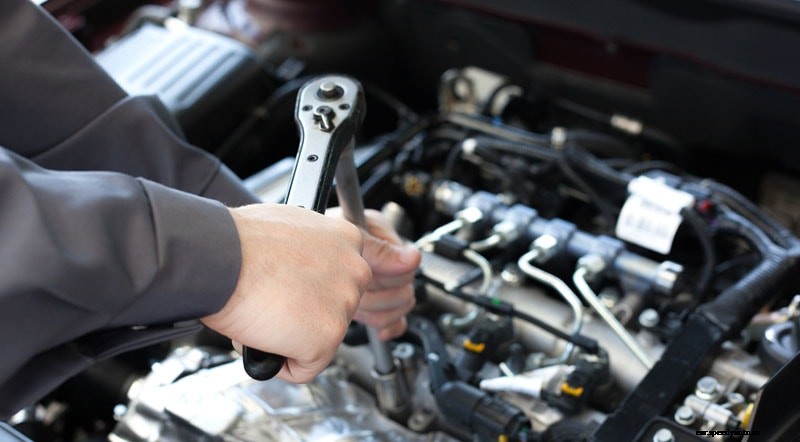
You should have your front suspension checked for looseness, and aligned the same time you get the new tires. This is why it’s so important to purchase your tires from a reputable repair shop. You need these guys to perform a good quality inspection and front end alignment. It takes a good tech to recognize a suspension issue and to perform a good alignment. These “tire mounters” that work at wholesale tire shops usually aren’t the guys you want to evaluate your suspension. A worn front suspension or steering component can eat up tires, and a poorly aligned front end will cause uneven tire wear.
I can’t over emphasize the importance of rotating your tires, especially on front wheel drive vehicles. On a front wheel drive vehicle, the front tires drive the car, steer the wheels, and support the weight of the engine and transmission, while the rear tires go along for the ride. Rotate your tires every oil change, whatever kind of vehicle you drive. Insist that the shop rotate the tires diagonally. This means left front to right rear, and right front to left rear.
If you drive a truck or a van, and you overload the truck, the rear suspension will drop, lifting the front wheels causing them to change their angle in relation to the road. This will cause a lot of tire wear really fast. If this can’t be avoided, rotate the tires often. Rotate, rotate, rotate.
The door jamb sticker also has the recommended tire pressure specification. Check your tire pressures every week. Low tire pressures cause the tire to wear prematurely on the outside edges, and high tire pressures cause premature wear right up the middle of the tread. Do not set your tire pressures to the maximum tire pressure listed on the side of the tire. This is the maximum pressure that the manufacturer guarantees the tire not to blow.
Most tire wear happens during acceleration, braking, and cornering. This means that the easier you drive, the longer your tires will last.
If you notice anything unusual about the way your vehicle handles you should have it checked. If it starts to pull a little to one side, makes a noise, or maybe the steering wheel spokes are no longer as straight as they used to be, have it checked. These are signs that your tires could be taking a beating.
So if you buy the correct tire, keep your vehicle maintained, and you don’t drive like you’re being chased, you should get the most return on your tire investment.
