
Car batteries, both nickel-metal hydride (NiMH) batteries used for hybrid vehicles and any other type of large, lead-acid battery can’t go in your household trash when they eventually wear down and need replacements.
This should already be obvious once you hear “acid”, “lead“, and “nickel” — these are things that shouldn’t be released into the environment willy-nilly because they will contaminate the soil with chemicals, lead, acids, and non-biodegradable plastics. In some states, throwing a car battery in a dumpster or trash can could subject you to serious fines or penalties.
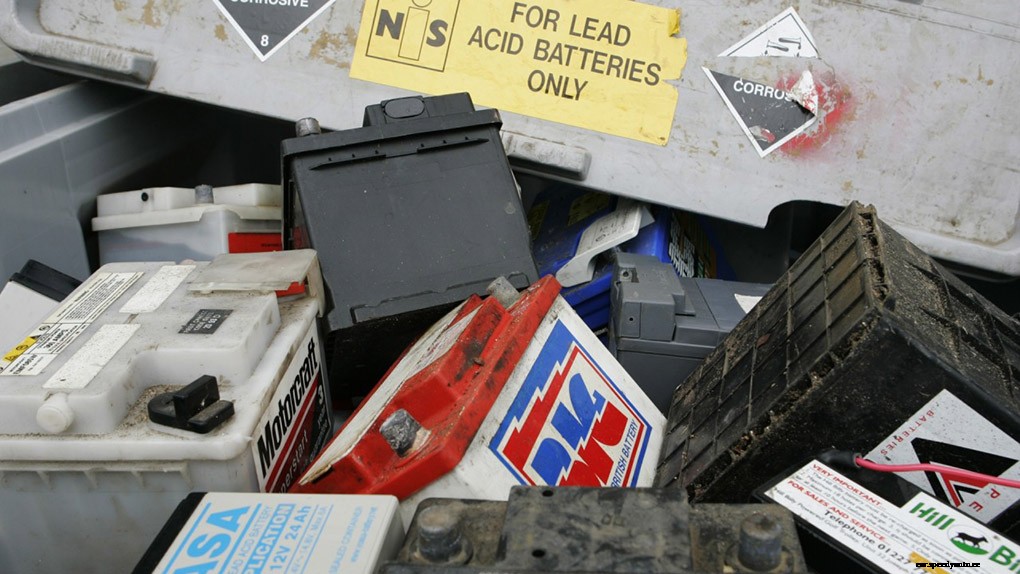
Of all the constituents of old car batteries, Lead is the most harmful because not only is it highly toxic but it is also very difficult to clean up, and it can just sit in the environment and contaminate the underground water many years after contamination. This is particularly for young people below 10 years because the element can cause irreparable damage to the developing brain and nervous system.
Aside from the above, each lead-acid car battery holds 20 pound or more of lead alone, which is a lot to throw away and is quite valuable as well. Factories need lead to produce cell towers, turbines, and of course, more car batteries. Because of the high demand for lead, car batteries can be recycled, and in most cases, you can get some payment or discount towards a new battery.
What you need to keep in mind is to dispose of your car batteries responsible. Follow the steps outlined in this article to find out how to dispose of car batteries.
A car battery is a collection of individual cells made up of lead plates and lead dioxide plates in a plastic container. The battery is then filled with a liquid that conducts electricity known as an electrolyte. In most batteries, the electrolyte is a strong sulfuric acid.
When your engine is running efficiently, the alternator sends an electrical charge to the battery which then stores these charges as chemical energy.
Normally, each battery cell produces two volts of electricity, which means a standard 12-volt car battery has six cells altogether. These cells weaken over time, but with proper battery maintenance, a car battery can provide years of service before needing to be replaced.
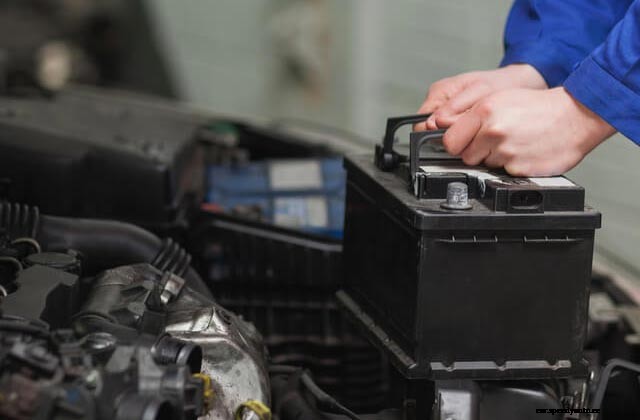
Each battery has a different timeline, but on average, a car battery can last about three to five years or longer depending on your maintenance routine.
Replace your battery immediately if you notice bulging from being frozen, your battery is leaking fluid or corrosion forms on the terminals. If the battery caps on your battery that’s supposed to keep the fluid from spilling out are missing or damaged and you can’t find replacement caps from an auto parts store, you should consider discarding the battery to prevent damage to your vehicle’s paint or wiring.
In most cases, a depleted battery can be charged back to a usable state, but if the battery cannot hold enough charge overnight to power your engine in the morning, then it might be time to dispose of it. If the battery is new, you can get it tested at an auto store to know if the battery is really faulty or you’re the problem is from your vehicle’s electrical system.
If after these tests and your battery is deemed faulty, fails a load test, or is damaged, you will need to get a replacement and dispose of the old one.
The internet is a good place to start your search for battery recycling locations close to you. Check-in with your local dump or department of sanitation, they might have a recycling program for toxic or hazardous material, but you should call them before heading over there with your battery.
You might be surprised by what you find online; some programs offer pick-up services for certain hazardous materials.
If you have a NiMH battery, you should first check the label form recycling instructions or call the vehicle manufacturer for proper recycling methods. In either case, you might get paid for the battery, whether lead-acid or NiMH battery.
Secure the battery in your vehicle’s trunk, preferably on a disposable item such as a heavy plastic lid, a section of plywood, or trash plastic bag. Make sure it won’t move around while you’re driving to prevent acid spills.
The easiest and probably the most common way to recycle a car battery is to take it to where car batteries are sold such as your local auto shop or auto parts store. You can simply bring the old one along when you purchase a new battery, but make sure it is securely wrapped in thick plastic to prevent it from spilling chemicals that contaminate the environment or ruin your vehicle’s interior.
The best part of this method is that they’ll take the battery from you so you no longer have to deal with it, and they might even pay you or offer you a discount on other vehicle parts.
Before discarding the old car battery, you’ve probably purchased or plan to purchase a new battery. If you’ve already bought one, check your receipt to see if there’s a core charge on the battery. A core charge is assessed on parts such as water pumps, starter motor, alternators, batteries, and several other automotive components where the old part has value to the retailer, either to be rebuilt or recycled.
This is helpful in situations where you’ve misplaced the receipt of your new battery and cannot claim the core charge from the battery retailer, or if you just want to skip the other two options altogether because there’s a scrap metal service or recycler nearby.
You also need to find out and compare the current rate they offer for the old battery to get the best deal.
You can get a mechanic to take your old battery and install a new one in its place. This is very convenient because you don’t need to worry about how to disconnect the old battery or how to safely install the new replacement battery you bought.
Do not knock or try to pry open lead-acid car batteries because they are filled with sulfuric acid which is highly corrosive if it comes in contact with the skin or vehicle upholstery.
Always wear protective gloves when handling car batteries and rinse skin or car upholstery with water if there’s an acid spill to minimize damage.
No matter what you decide to do with your regular batteries, make sure you do so properly to prevent environmental or health damage. Remember to tape the terminals, because the battery could have a little spark left and start a fire if they come into contact with metal.
