
Regular maintenance of your car is a necessary requisite, regardless of the weather or climate. Servicing your car at regular intervals makes sure that every part of the car works efficiently, bumping up the overall performance of the car. Car maintenance becomes even more important during the winter, when the stresses of the cold can negatively harm your driving experience. This can include low tyre pressures, dead batteries, or problematic starts. You don’t want to be stranded during a cold winter day because of a faulty part.
There are lots of other issues that can occur during cold winter nights. Let’s look into what you can encounter during the winter and how to solve the problem.
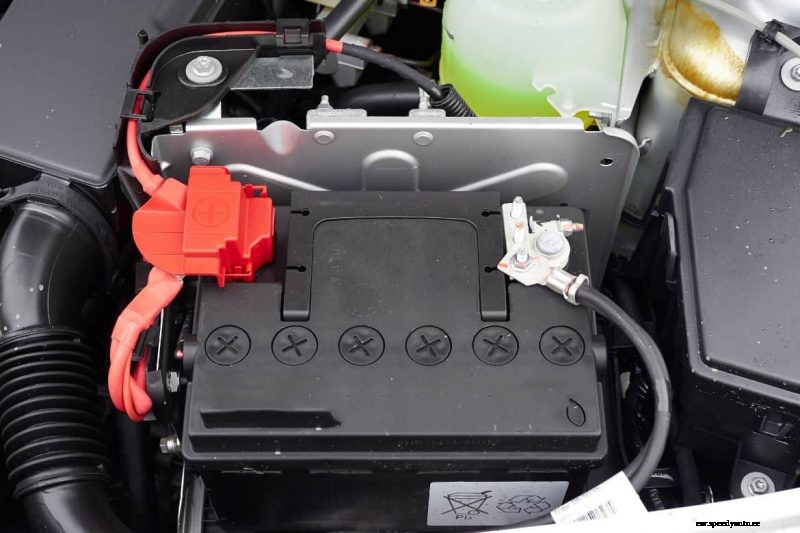
The classic dead battery in the winter. Did you know? A mainstream lead-acid car battery loses more than 10% of its charge capacity during the winter and can even lead up to a completely dead battery. If your car battery is older than five years, we highly recommend you to install a fresh battery, to avoid unexpected troubles while on the road.
Throughout winter, numerous automotive fluids like the engine oil, transmission fluid, coolant, and even the wiper fluid increase in density and consistency. This causes them to become less functional. Thick engine oil additionally will increase fluid drag that ends up in a big loss in power. This will additionally wear out internal seals and gaskets. Except for regular oil changes, we recommend to let the engine heat up for a minimum of ten minutes before you start driving

The starter starts your car when you turn the key. During winters, the starter motor has to make an extra effort to start the engine, which puts a great deal of stress on it. There’s not a lot you can do regarding this except predicting its failure. You must avoid cranking the engine excessively and provide it a minimum of thirty seconds before restarting. Also, check for corrosion on the starter terminals and guarantee it’s well insulated from any wetness. Keep the battery in fine condition for a healthy starter motor.
These are just a few of the issues you can expect to encounter when driving your car in the winter. How can we tackle these issues instead of having to deal with them as and when they occur? Simple – Regular maintenance! Here is a list of 8 points to help you save yourself and your car the trouble of breaking down during a chilly winter drive –
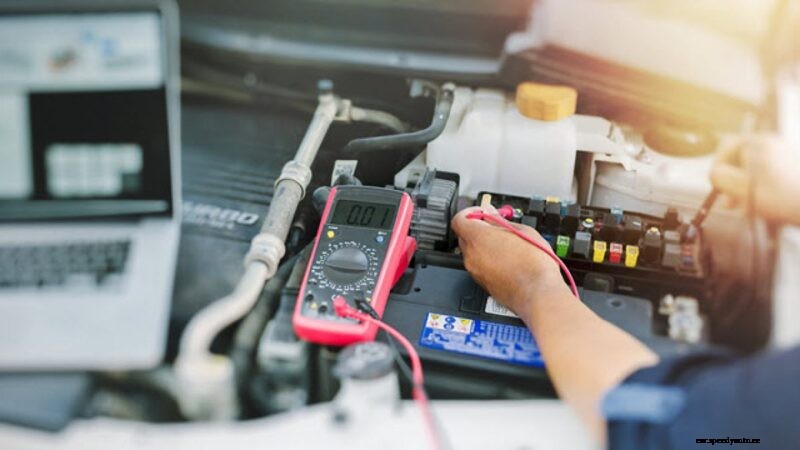
As mentioned above, it is more tedious for a battery to function properly in the cold season. Being one of the most important components in a car, it requires an ample amount of care. During this time, the fluid inside a battery thickens which causes the current to not flow very efficiently. It is advisable to perform a volt test on your battery to make sure it is strong enough to get you through the remaining months of winter. If the battery is merely discharged, get it topped up and if it is poorly weak, it is recommended to replace it with a fresh one.
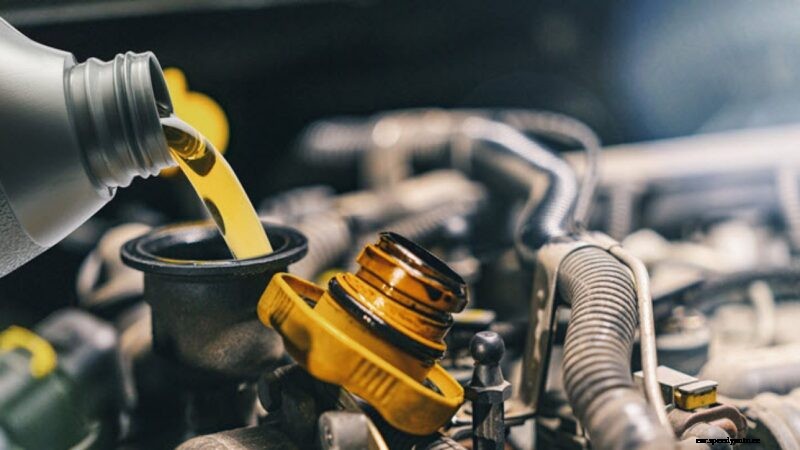
Antifreeze or Coolant acts like an aid for your car in winters. A 50-50 mix of coolant and water is recommended for smooth functioning. Before the arrival of the winter season, it is advised to make sure that the coolant level is appropriately high and there aren’t any leaks in the engine to ensure no coolant leaks out. After changing the coolant in your car, you can rest assured that your car can provide a smooth driving experience in the cold winters.
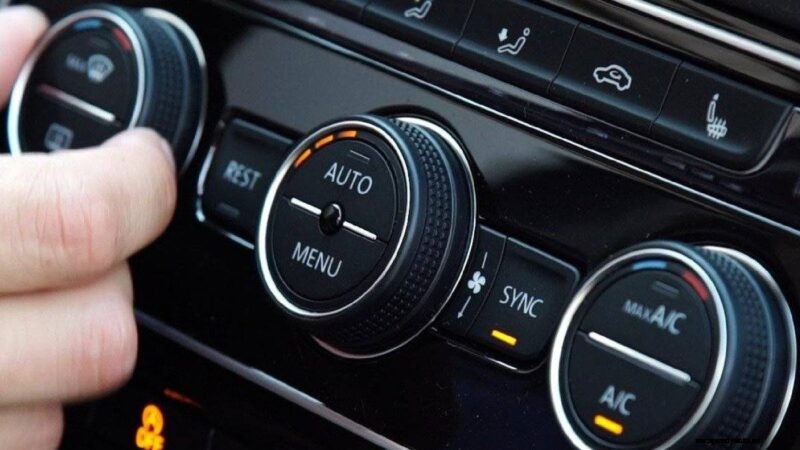
More often than not, we forget to take care of ourselves in the midst of taking care of others and our own assets. One of the most important, in our opinion, is to fix the heater and defroster of the car before the winters set in. A functioning and well-maintained heater will help you stay warm and toasty, be it on your daily work drive or your weekend outing.
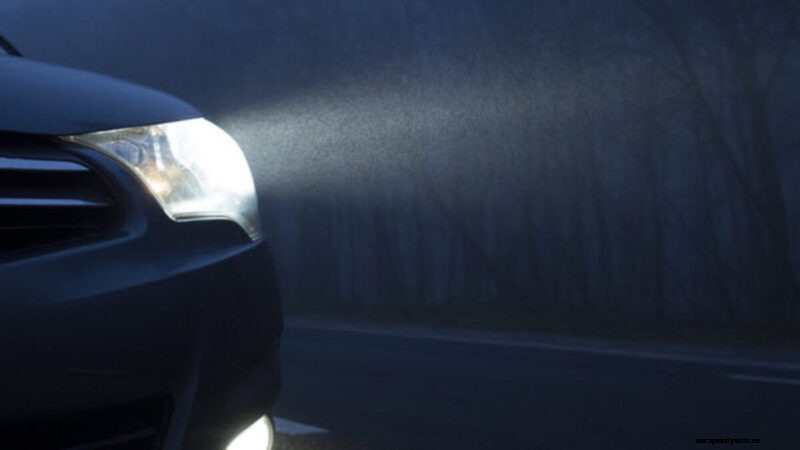
With winter comes a lot of fog, smog and dew, which might take away from the experience or even sometimes the safety of the driver and the passengers. The usual culprits mentioned above are the primary reason why we should test and replace headlight, fog lamps, tail lights, flashers, turn signals, brake lights, and back-up lights to ensure a comfortable and safe drive. Not just the lights, it is also important to test the wipers on the front and rear windshield, as the wiper blades play an important role in clearing our sights in case of heavy dew or rain. Hence, it is important to make sure that the wipers are in good condition and if it is leaving streaks or missing spots, it might be time to replace them.
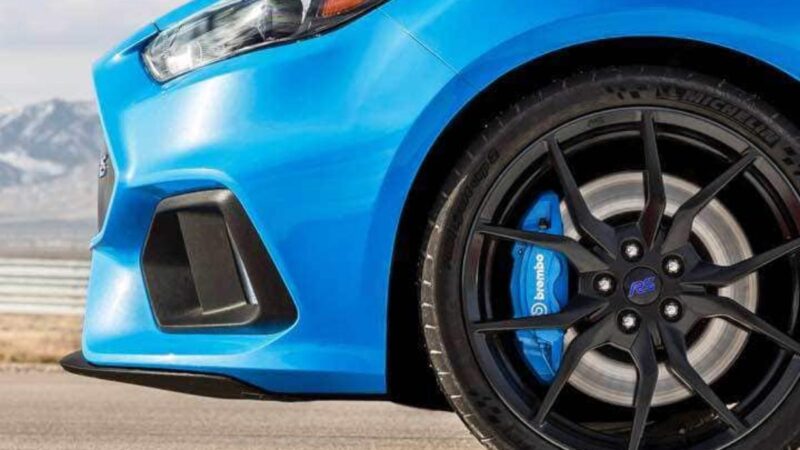
In the middle of a foggy or a misty road it is usually difficult to guess what is going to come your way. It is important to apply the brake to avoid any mishap, and with visibility close to zero, usually the time given to react to the given circumstance is very little. Therefore, it is very crucial to have smooth and effective brakes in your car for a safe and worry free commute.
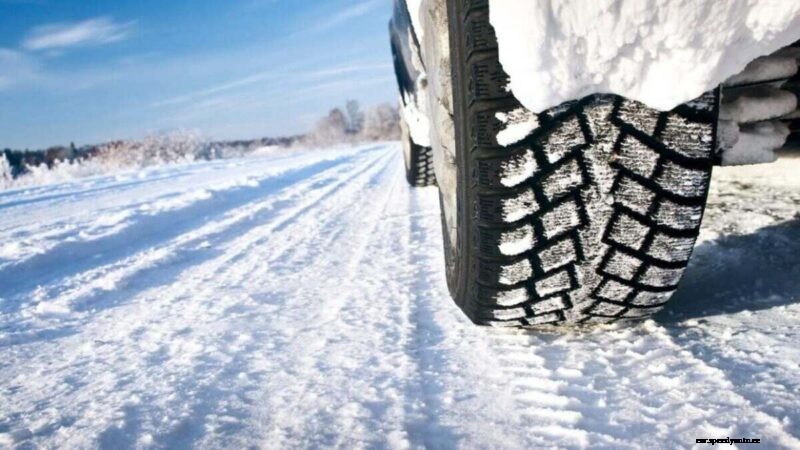
It is always advisable to get an overall check up of the car as it ensures smooth sailing and the peace of mind required for the winter season. Even so, one of the important factors in this scenario would be the tyres.
The tyres are the only part of the vehicle which come in contact with the road. To ensure that the car doesn’t slip or skid on the wet and slippery roads, one needs to maintain fresh tyres and ensure there is enough tread left in the tyres to handle the situation. Deep and broad treads ensure your car is completely glued to the road even in snowy environments. In case you’re planning a trip to a snow-covered hill station, it is advised to get your car fitted with winter tyres.
These are just a few of the factors which can make or break your winter car maintenance. As a wise man once said, “One can never be too careful” and it applies best in this situation.
Always wear your seat belt, use a child seat if you’ve an infant on board, never overtake from the left and never cross the speed limit. It is also important to be careful of your surroundings, it might not always be your fault, but with proper attention you could save a life, or better keep yours.
It is advised to change car fluids every 5500 KM, even if your car has an alert system most car enthusiasts would prefer to follow this rule of thumb. The truth of the matter is that every person will have their own opinion about this just like any other rule of thumb. You could always consult your car’s user manual to identify what fluid can be replaced for your car to function smoothly or get the manufacturer's opinion on the matter.
The car itself is a very innovative machine. It can tell you itself when something is wrong, you just have to look at the right place. Look for these signs if you suspect a failing battery - Clicking sound when you turn the engine on Dim lights all around. Inside and outside A cranky engine Corrosion around the battery posts Most easy one to spot - Battery light!
Old and worn out tyres are always a hazard on slippery roads. It is advisable to drive slowly and carefully. Even so, you can never be safe enough. Here are a few ways to increase traction and make your car tyres more grippy - Get sock tyres - not the socks you wear to stay warm - but these are for your tyres which help them build traction in your old tyres, they are made entirely of fabric and work in the similar fashion as snow chains. Get new tyres - if not an accessory, you might have to get new tyres with new treads which will make your car more grippy. Get winter tyres - they are broader, with more tread, perfect for the winter roads.
The durability of the tyre socks depends upon usage and storage, the more wear and tear they undergo, lesser will be their life. However, if they are stored properly and used adequately expect them to outlast the winters.
Weather change does have an effect on vehicle fluids, battery fluids and tyres. That being said, modern vehicles have many systems in place to counter those problems, however, it is very necessary to refer to your car manual and follow the instructions to have a hassle free winter drive.
