
Tyres are the main contact point between the road and the rest of the car. The optimal performance of the car depends on the health and maintenance of the tyres. One major factor that needs regular monitoring is the tyre pressure. Whether it is a tube or a tubeless tyre, without the right tyre pressure, you will be running on flats. Keeping proper tyre pressure helps the tyres last longer and helps improve the handling of the car. Here are a few tips and tricks to help you with your car’s tyre pressure.
Checking the tyre pressure requires an air pressure measuring instrument called a Tyre Pressure Gauge. On one end there is the gauge with the readings and on the other end there is a tube like structure that fits on the valve stem on the tyre. This is available in both analog and digital systems.
To measure tyre pressure simply follow these steps:
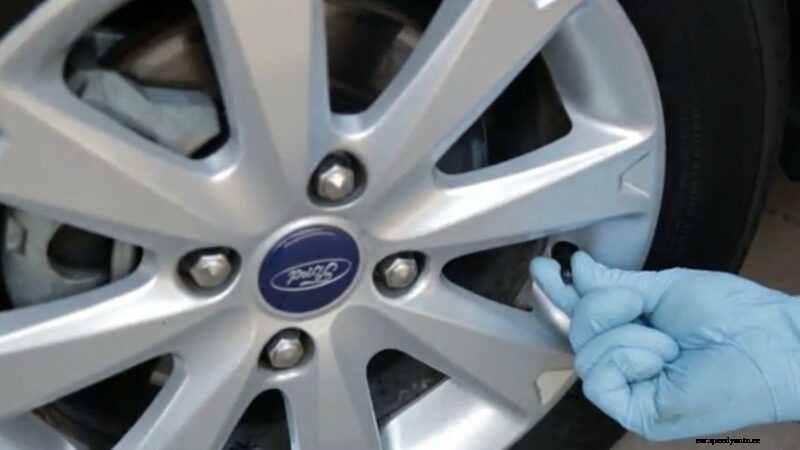
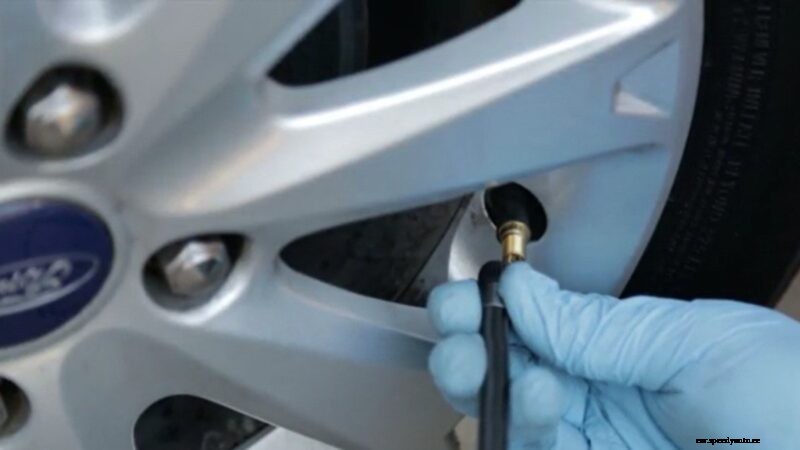

The right tyre pressure for cars ranges from 32-35 psi (PSI = pounds per square inch) when they are cold. Cold here means that the tyres haven’t rolled or the car has been parked for 2-3 hours. Tyre pressure is sensitive to heat and the heat generated from the friction of the tyres rolling on the road, causes the tyre pressure to heat up accordingly. The cold tyre pressure is an indicator for the appropriate pressure the tyres should be when cold to perform optimally when they are hot. The best way to know the correct tyre pressure for your car is written in your car manual or on the driver side door.
Maintaining proper air pressure should be a regular part of your driving routine as it provides better fuel efficiency, improved tyre life and generally better handling. Few suggestions to maintain proper air pressure.
Maruti Suzuki
Model
Tyre Pressure Front Wheels
Tyre Pressure Rear Wheels
Alto 800
30 PSI
30 PSI
Celerio
36 PSI
33 PSI
WagonR
33 PSI
33 PSI
Swift
29-32 PSI
29 PSI
Ignis
36 PSI
32 PSI
Baleno
29-32 PSI
29 PSI
Dzire
29-32 PSI
29-32 PSI
Ciaz
29-32 PSI
29 PSI
S-Presso
33-36 PSI
32-33 PSI
S-Cross
33-36 PSI
33-36 PSI
Vitara Brezza
33 PSI
33 PSI
Ertiga
30-35 PSI
30-35 PSI
XL-6
29 PSI
29 PSI
Eeco
26 PSI
33 PSI
Hyundai
Model
Tyre Pressure Front Wheels
Tyre Pressure Rear Wheels
Santro
35 PSI
35 PSI
Grand i10 NIOS
33 PSI
33 PSI
i20
30-32 PSI
30-32 PSI
Aura
35 PSI
33 PSI
Verna
33 PSI
33 PSI
Elantra
33 PSI
33 PSI
Venue
33-36 PSI
33-38 PSI
Creta
33 PSI
35 PSI
Alcazar
33-35 PSI
33-35 PSI
Tucson
33 PSI
33 PSI
Kona
36 PSI
36 PSI
Tata
Model
Tyre Pressure Front Wheels
Tyre Pressure Rear Wheels
Tiago
33 PSI
30 PSI
Altroz
32 PSI
32 PSI
Tigor
30-35 PSI
30 PSI
Punch
32 PSI
32 PSI
Safari
25-30 PSI
25-30 PSI
Harrier
33 PSI
33 PSI
Nexon
32 PSI
32 PSI
Mahindra
Model
Tyre Pressure Front Wheels
Tyre Pressure Rear Wheels
XUV700
33-35 PSI
33-35 PSI
XUV300
33-34 PSI
33-34 PSI
XUV500
30-32 PSI
30-32 PSI
Thar
30-35 PSI
30-35 PSI
Alturas G4
34 PSI
34 PSI
Scorpio
35-40 PSI
35-40 PSI
Bolero
32-35 PSI
32-35 PSI
Bolero Neo
32-35 PSI
32-35 PSI
Marazzo
35 PSI
35 PSI
KUV100
33-34 PSI
33-34 PSI
Honda
Model
Tyre Pressure Front Wheels
Tyre Pressure Rear Wheels
Amaze
28-30 PSI
28-30 PSI
City 5th Gen
30-35 PSI
30-35 PSI
City 4th Gen
30-35 PSI
30-35 PSI
WR-V
32-35 PSI
30-32 PSI
Jazz
33 PSI
33 PSI
Renault
Model
Tyre Pressure Front Wheels
Tyre Pressure Rear Wheels
Kiger
30-35 PSI
30-35 PSI
Triber
33-34 PSI
33-34 PSI
Kwid
30-32 PSI
30-32 PSI
Duster
35 PSI
35 PSI
Nissan
Model
Tyre Pressure Front Wheels
Tyre Pressure Rear Wheels
Magnite
30-35 PSI
30-35 PSI
Kicks
33-34 PSI
33-34 PSI
Toyota
Model
Tyre Pressure Front Wheels
Tyre Pressure Rear Wheels
Glanza
33-34 PSI
33-34 PSI
Urban Cruiser
33 PSI
33 PSI
Innova Crysta
32-36 PSI
32-36 PSI
Fortuner
30-35 PSI
30-35 PSI
The correct tyre pressure varies according to vehicle type, model and brand. Mostly, 30-35 PSI is the range for car tyre pressure. To know the best pressure for your car refer to the driver side door frame or your car’s manual.
Try to fill 2-3 points more of air if you’re going to carry passengers or heavy luggage. This helps in compensating the increased load and helps with driveability.
No, they are not. Since they are used by hundreds of people everyday, there is a possibility of the measurement calibration getting unruly. But you can still rely on it if you don’t have another option.
While driving if you feel like pushing on the accelerator deeper more often, or the feeling of riding in a boat i.e., up and down or a sideways wavy motion, then your tyres are under inflated. On the other hand if you feel bouncier than usual on your regularly used road, then the tyres are over inflated.
Usually no, as vehicle manufacturers specify the air pressures beforehand, however in some cases there might be a slight change but not much.
