
The popularity of electric vehicles is growing leaps and bounds, as they not only ensure cheaper running costs but also a sustainable future. As EVs have fewer mechanical parts than ICE (Internal combustion engine) vehicles, it makes their maintenance relatively easier. Some of the vital components in EVs require timely check-ups, as do they in ICE vehicles. Moving forward, we have explicated some points that will help you maintain an electric vehicle.
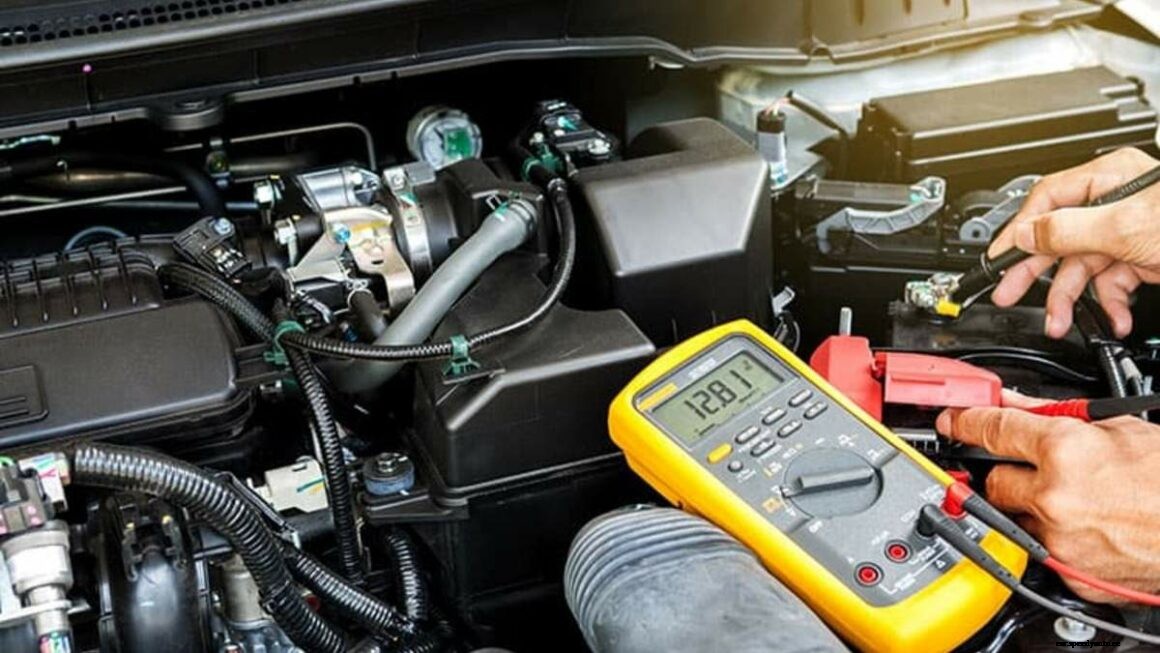
As the battery is the sole power source of an Electric vehicle is the most imperative element to be taken care of. In order to extend the serviceable life of a battery, here is the list of preventive measures you could take.
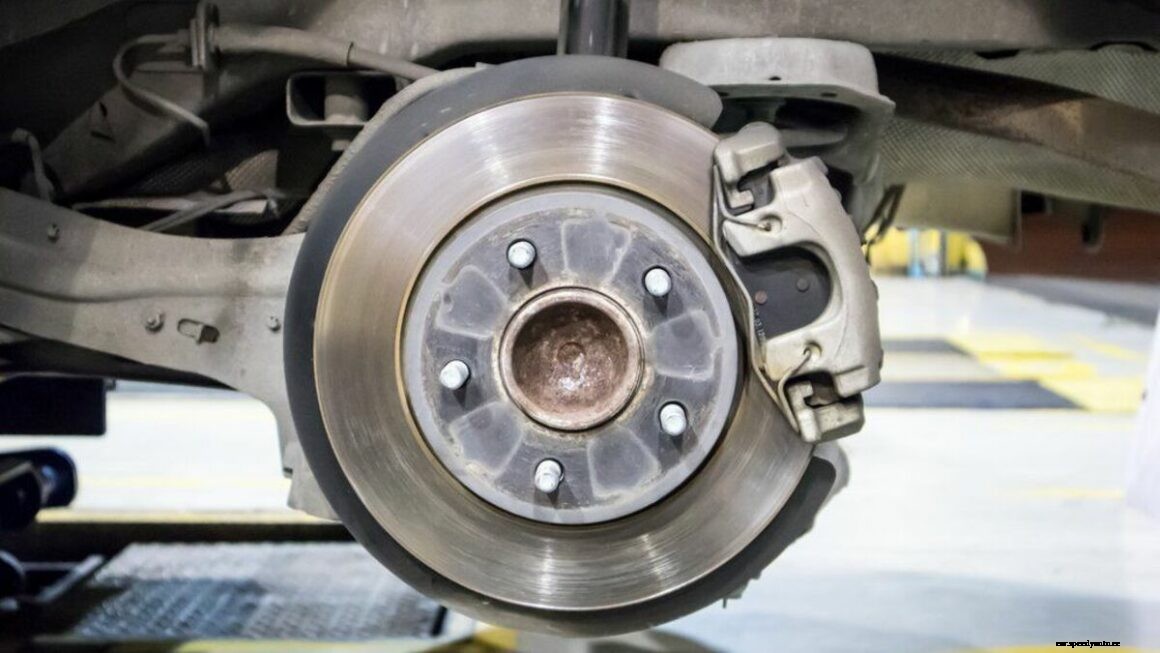
When brakes are applied in electric cars, firstly the resistance of the electric motor slows down the car, then friction brakes do the rest of the job. Therefore, resistance of the motor reduces the work for brake pads and they don’t wear as fast as they do in gasoline cars. Still, the brake pads, rotors, and brake fluid certainly require timely replacement given their age and wear.
The direct transmission or multi-speed transmission in an electric car is supplied by transmission oil in order to function smoothly. The transmission oil requires timely top-ups and even refills. You could go through the user manual to learn the recommended intervals of transmission oil replacements.
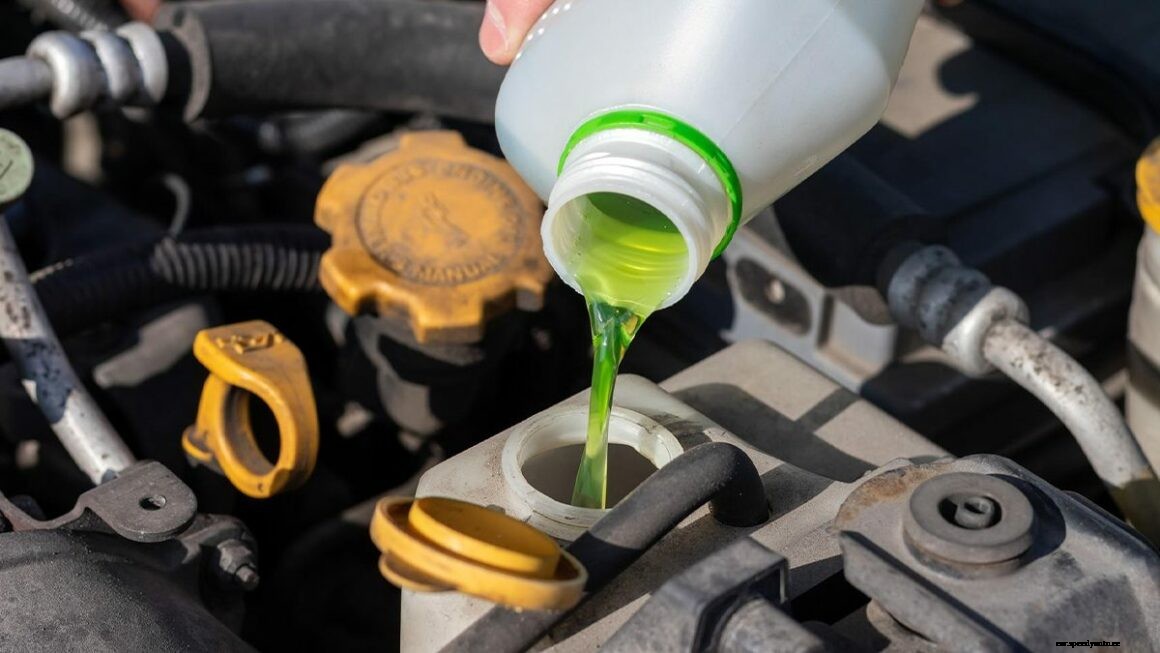
Same as ICE cars, electrical cars are supplied with coolant to maintain the temperature around the power source. The coolant is directly supplied to the Thermal management system of the battery, and it keeps the charger, inverter, and battery pack cool. In order to maintain the thermal management system efficiency, you would need timely replacements of the coolant.
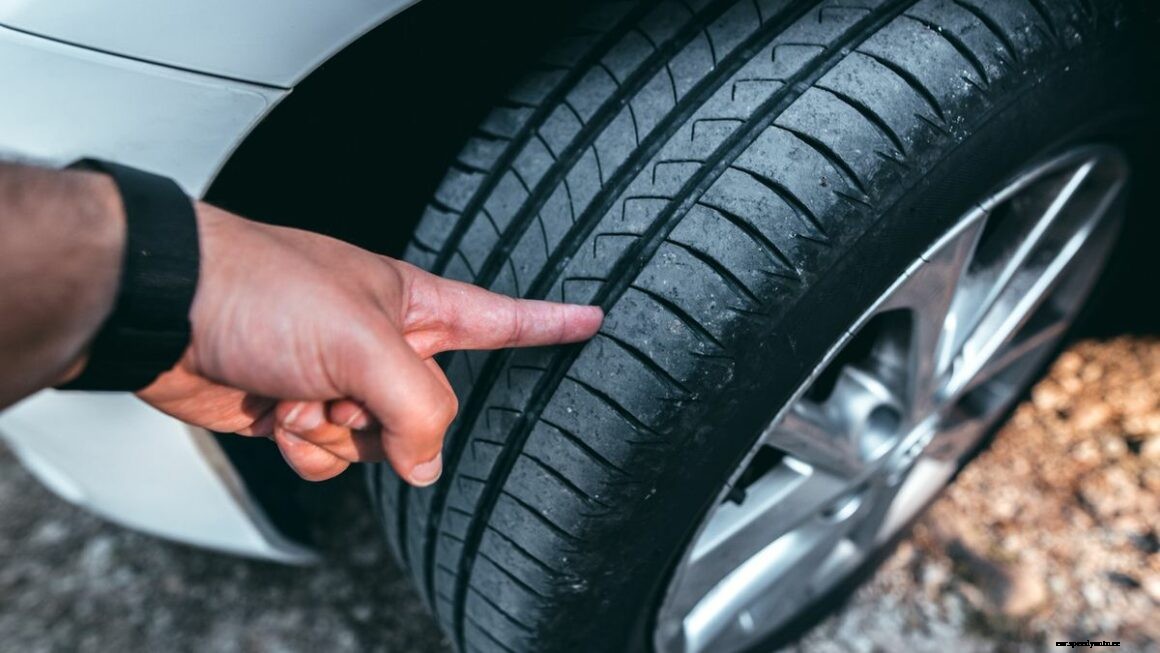
Undoubtedly, the tyres function in electric cars the same way they do in ICE cars. But, the curb weight of an electric car is significantly higher, given its battery weighs 300-550 kg, so the tyres do substantially more work in electric cars. Follow the recommended procedure of tyre balancing, rotation, and replacements to ensure a pleasant ride.
In place of an Internal Combustion Engine, an electric car requires only a battery and motor to provide it with the driving force. Thus, the complexity of a range of mechanical elements (spark plugs, air filters, engine oil,) gets eliminated, simplifying and decreasing the cost of the maintenance process of an electric car.
In regenerative braking, the kinetic energy of the car is converted into electrical energy with the help of a traction motor. The electric energy generated by the traction motor is further stored in the car’s battery.
Although the absence of an internal combustion engine simplifies the infrastructure, the battery in an electric car alone weighs 300-550 kg, increasing its weight drastically.
4 types of fluids are required in an electric car to keep its operation optimum:
You can certainly charge your electric car at home with the help of EVSE (Electric Vehicle Supply Equipment). EVSE is a standard cable attached to a 3-pin plug that is dedicated to home charging of an electric car.
