
With help from the Energy Saving Trust, we’ve put together this buyer's guide to help you decide whether to go electric.
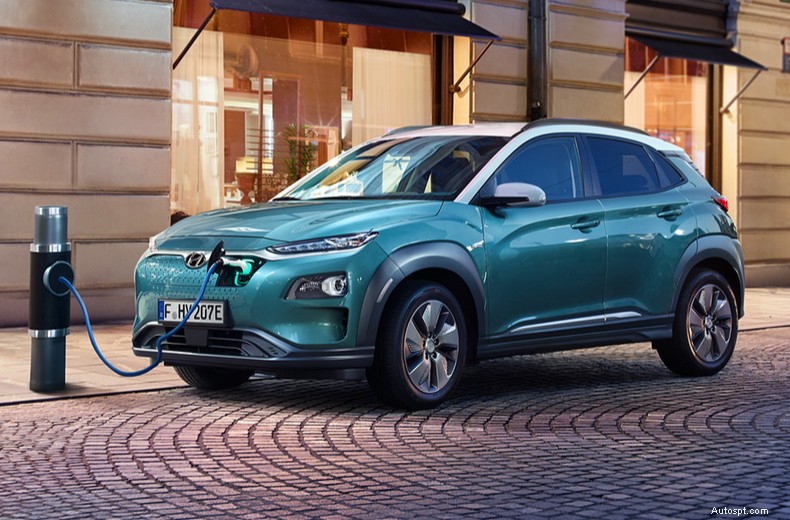
If you’re considering an electric vehicle for the first time, you might be confused by the terminology you’re faced with. A summary of the commercially available electric car types is as follows:
For more info about these vehicles, read our guide to the different types of electric vehicles.
These are exciting times for EVs with the number of vehicles available increasing rapidly – and new models launched almost weekly.
Some popular models you’ve probably seen on our roads include the Audi E-tron, BMW i4, Citroën e-C4, Fiat 500e, Ford Mustang Mach-E, Hyundai Ioniq 5, Honda e, Jaguar I-Pace, Kia e-Niro, Mazda MX-30, Mercedes-Benz EQA, Mini Electric, Nissan Leaf, Peugeot e-208, Polestar 2, Porsche Taycan, Renault Zoe E-Tech Electric, Skoda Enyaq, Tesla Model 3, Vauxhall Corsa-e, Volkswagen ID.3 and Volvo XC40 Recharge.
Here’s an up to date look at all the latest electric, hybrid and plug-in car reviews. We review used EVs, hybrids and PHEVs too.
We’re tracking the UK’s adoption of EVs on our 'Road to Electric' page; it breaks down the number of electric vehicles on our roads by the different types mentioned above.
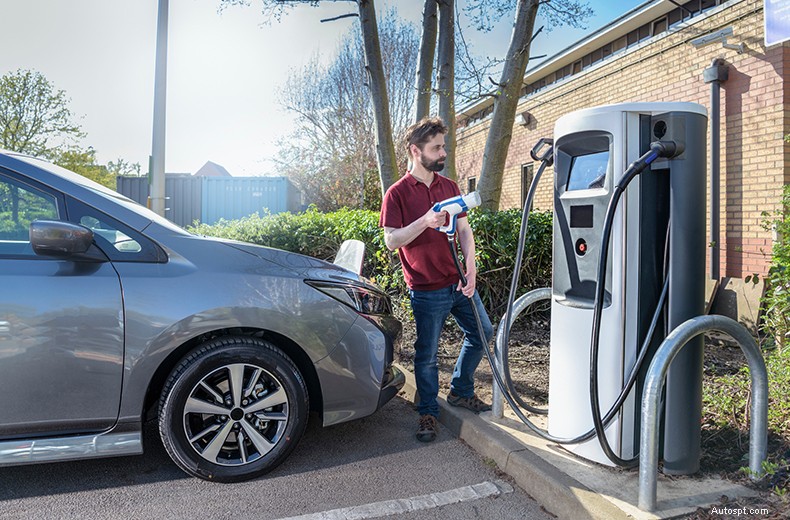
New EVs can be bought from vehicle dealerships or leased through leasing companies in the same way as conventional cars.
Tesla is an exception in that it does not have a traditional dealer network and most sales are online. Other manufacturers are considering this sales model, too, and already sell cars online.
Used EVs can also be bought through traditional vehicle sales outlets including franchised and independent dealers.
If you’re buying a used EV, look for a retailer certified for its EV knowledge and excellence through the Electric Vehicle Approved (EVA) scheme.
This scheme is operated by the National Franchised Dealers Association and is approved by the Energy Saving Trust, which audits the retailers, and by the Government’s Office for Zero Emission Vehicles.
Some people buy electric cars because they’re fascinated by the tech (we’re looking at you, Tesla owners), while others base their decision on an ethical desire to ‘go green’.
For most of us, though, an electric car needs to make financial sense, which means considering the costs.
EVs generally have higher purchase costs prices than their petrol and diesel competitors. But EV running costs are lower, as fuel, tax and maintenance are all, generally, significantly cheaper.
The cheapest new EVs currently available in the UK start at around £21,000 once the government funded purchase grant has been deducted. Used EVs can be purchased in the UK from as low as £4,500.
As with conventional cars, buying second-hand is a much cheaper option, but then you’ll have to consider a potentially slightly deteriorated battery life. And buying a new battery is nearly tantamount to a write-off.
Generally, EV batteries have a long life, and degradation is minor. There will be a gradual reduction in capacity and range after many years, however. Here’s more info on EV battery life.
You’re not spoilt for choice, either, as there are far fewer pure electric cars for sale second-hand than petrol and diesel models.
The Nissan Leaf is the most common used EV, followed by the Renault Zoe.
Electric car leasing is often a much more affordable option for those looking to make the switch. Find out why in our EV leasing guide.
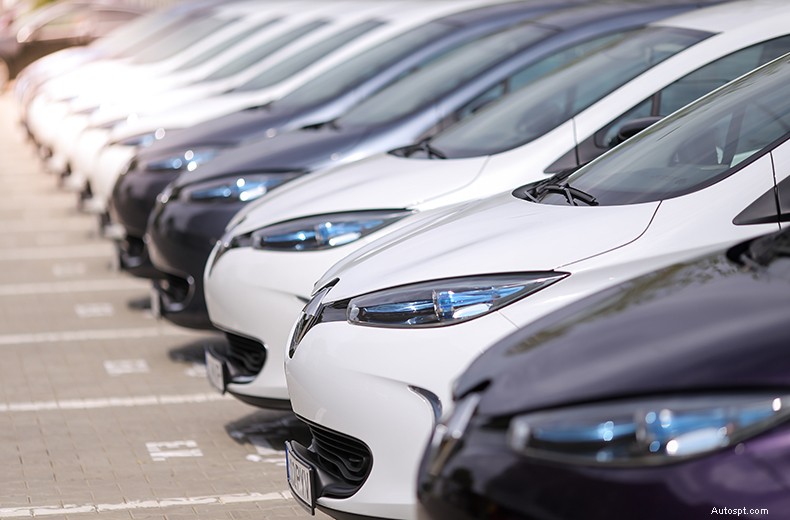
Just like their petrol and diesel equivalents, the price of electric cars varies widely, from less than £14,000 for a Renault Twizy to nearly £160,000 for a top-spec Porsche Taycan.
We have outlined rough prices for new electric cars within three budget levels below – just remember to check whether your choice is eligible for the government grant.
Top end EVs:
| Car | Approximate price |
|---|---|
| Tesla Model X | £99,000 |
| Tesla Model S | £92,000 |
| Audi E-Tron GT | £82,000 |
| BMW iX | £76,000 |
| Porsche Taycan | £73,000 |
| Mercedes EQC | £66,000 |
| Jaguar I-Pace | £65,000 |
| Audi E-Tron | £61,000 |
| Volvo C40 Recharge | £58,000 |
| BMW i4 | £52,000 |
| Volvo XC40 Recharge | £50,000 |
Mid-range EVs:
| Car | Approximate price |
|---|---|
| Mercedes-Benz EQA | £45,000 |
| Audi Q4 Sportback E-Tron | £42,000 |
| Tesla Model 3 | £41,000 |
| Audi Q4 E-Tron | £40,000 |
| Hyundai Ioniq 5 | £37,000 |
| BMW i3 | £34,000 |
| Tesla Model Y | £35,000 (expected) |
| Tesla Cybertruck | £35,000 (expected) |
| Volkswagen ID.4 | £35,000 |
| Kia Soul EV | £33,000 |
| Citroen e-C4 | £31,000 |
| Kia e-Niro | £31,000 |
| Hyundai Ioniq | £31,000 |
| Peugeot e-2008 | £31,000 |
| Vauxhall Mokka-e | £30,000 |
| Volkswagen ID.3 | £30,000 |
| Honda e | £28,000 |
| Hyundai Kona | £28,000 |
| Peugeot e-208 | £28,000 |
| Renault Zoe E-Tech Electric | £28,000 |
Following changes to the rates of Vehicle Excise Duty (VED) in April 2017, zero-emissions vehicles are exempt from ‘road tax’ in the UK.
EVs also attract much lower rates of Benefit in Kind (BiK) company car tax and sit in the lowest 1% band of company car tax for 2021/22.
The government grant administered by the Office for Zero Emission Vehicles (OZEV) used to apply to all EVs.
However, since March 2021, only EVs with a list price of less than £35,000 (excluding options) now qualify for a £2,500 grant.
| Vehicle | Maximum grant |
|---|---|
| Electric car | £2,500 |
| Electric bike / moped | £1,500 |
| Small electric van | £3,000 |
| Large electric van | £6,000 |
| Taxis | £7,500 |
| Trucks | £16,000 |
| Plug-in hybrid | Not eligible |
The EV dealer applies for and receives the grant, so if you’re buying the car you don’t need to do anything.
Still, if you’re considering the economics of purchasing an EV, remember that prices quoted by dealers will almost always have the value of the grant already deducted.
The typical cost of a home charge point is around £800. Here’s a full rundown in our electric car charging at home guide.
Under its Electric Vehicle Homecharge Scheme, OZEV currently offers a grant of up to 75% of this cost, capped at a maximum grant of £350.
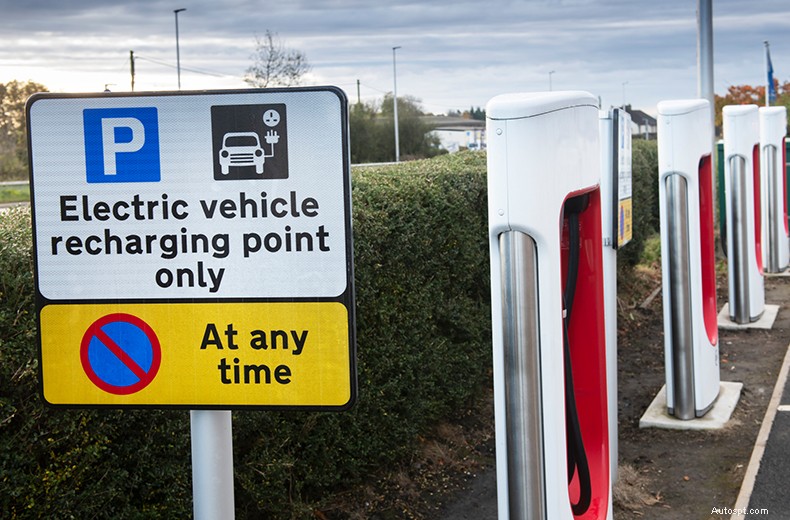
Charging your electric car can be done at home, at work or at a public charging point.
However, the world of EV charging can be complicated. There are different rates, charging speeds, voltages, battery sizes, ranges and connectors.
Check out our in-depth guide to how electric car charging works, how much it costs, and how long it takes.
New EVs typically have ranges of 150 to 300 miles, whereas older EVs are more likely to have ranges of around 100 miles.
Read our full guide on electric car range here.
Electric car batteries should last for around 10 years, but battery capacity will decline with age and use.
However, battery life improves in-line with technology. As the industry evolves, the lifespan of a battery will continue to improve. This guide on EV battery life, breaks down all you need to know about looking after your electric car.
The cost of replacing batteries probably won’t prove economical as the car gets older. This may mean that an EV’s life-span is shorter than that of a combustion-engined vehicle.
Read more in our full guide on how long EV batteries last.
With no tailpipe emissions, electric cars contribute to reducing pollution in cities.
Non-tailpipe emissions such as brake dust and tyre particles will still be a factor, although the scale of their impact is still under investigation.
For more, read our full guide to the environmental impact of electric vehicles.
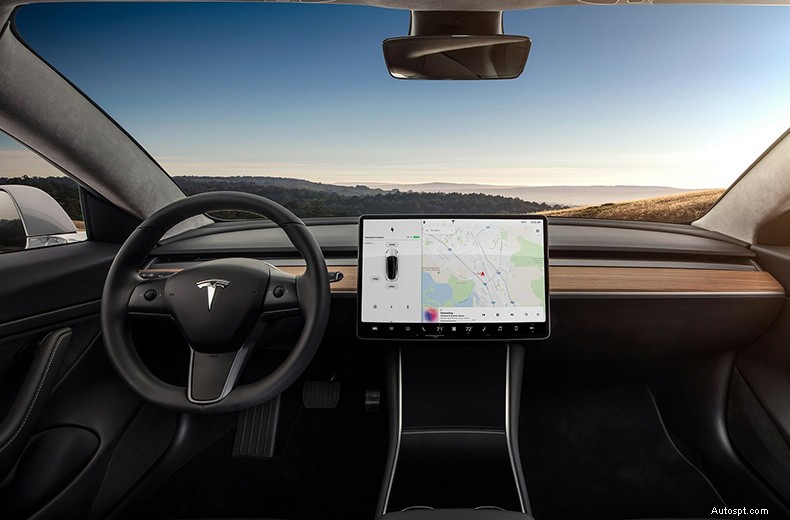
The first thing you’ll notice when driving an electric car is the silence.
The lack of a gearbox means acceleration is smooth and seamless. And because they produce maximum torque from a standstill, even basic models are quick off the mark.
Apart from a faint hum when accelerating, the only noises come from the wind and tyres.
Gears in all EVs are automatic, while regenerative brakes slow the car when you lift off the accelerator to top up the batteries. Some cars even have ‘one-pedal’ settings or technology. This means that when you lift off the accelerator, the regenerative braking is much more severe – so you can roll to a stop at a junction and rarely need the brakes at all.
Electric motors produce their peak pulling power straight away, so there’s no need to rev the motor for swift acceleration, unlike in a conventional car.
Car manufacturers have more flexibility when it comes to packaging electric drivetrains. Mounting battery-packs close to the floor to lower the centre of gravity means EVs often handle well, too.
Many electric cars are based on conventional petrol/diesel models, so there is no big difference in EV safety compared to internal combustion engine-powered cars.
The number of purpose-built EVs is growing, and the ability to package components more creatively (such as fitting batteries beneath the floor) allows for more effective crash structures.
Euro NCAP conducted its first crash test of a pure electric vehicle in 2011, when the Mitsubishi i-MiEV was awarded a four-star rating.
Since then, several other popular EVs have been awarded five-star safety ratings from Euro NCAP.
Right now, EVs are best suited to city-dwellers or suburbanites who commute less than 100 miles a day. That’s because the existing charging infrastructure is far more developed in cities than in rural areas.
However, this is changing - and with the government announcing new funding to expand its charging network - it is becoming a lot more convenient to drive an EV.
EVs are slightly more expensive to buy - both new and used - however, with 2030 fast approaching and the cost of fuel rising, there are many other advantages of owning an EV.
With the benefits of owning an EV increasing, now is the time to think about making the switch.
Are you sold on EVs? Perhaps you're already the proud owner of an electric car? Let us know in the comments below.
The UK Government’s targets (clarified in a 2018 Government publication called Road to Zero) are to end the sales of conventional petrol and diesel cars and vans by 2035, by which time all cars and vans sold will have “significant zero emission capability”. This terminology would allow the sale of plug-in hybrids with a significant electric-only range. However the targets also state that by this year “most” cars and vans sold will be zero emission e.g. pure electric or perhaps hydrogen fuel cell rather than hybrid or plug-in hybrid. By 2050 the target is for “almost every car sold” to be zero emission.
A few years ago this may have been the case but today many new EVs –even the more affordable models - have ranges in excess of 250 miles per charge so for many people EVs are become a practical option for a first or only car. Most EV owners do also own a petrol or diesel car but in many cases the thinking has been reversed so that the EV is considered to be the first car with a petrol or diesel, often an older vehicle, as a backup for the occasional long journey.
No, you can drive an EV on a normal driving licence for that category of vehicle.
Since EVs don’t have gears, if you pass your driving test in an EV you can drive a petrol or diesel but only an automatic.
No, EVs will cruise effortlessly at motorway speed and many, especially newer models, have ranges of 200 to 300 miles.
The UK Government’s targets (clarified in a 2018 Government publication called Road to Zero) are to end the sales of conventional petrol and diesel cars and vans by 2030, by which time all cars and vans sold will have ‘significant zero emission capability’.
This terminology would allow the sale of plug-in hybrids with a significant electric-only range, although these will also be banned from 2035.
By 2050, the target is for ‘almost every car sold’ to be zero emission.
A few years ago maybe, but today many new EVs have ranges in excess of 250 miles per charge and are a practical option for a first or only car. Most EV owners also own a petrol or diesel car, but many consider the EV to be the first car, with the combustion-engined car as a back-up for occasional long journeys.
No, you can drive an EV on a normal driving licence for that category of vehicle.
If you pass your driving test in an EV, can you drive a petrol or diesel vehicle?
Since EVs don’t have gears, if you pass your driving test in an EV you can drive a petrol or diesel car, but only an automatic.
No, EVs will cruise effortlessly at motorway speeds and many, especially newer models, have ranges of 200 to 300 miles.
The RAC is leading the way when it comes to supporting drivers in the switch to electric vehicles.
An ever-increasing number of our patrol vans have built-in emergency mobile charging systems capable of giving an out-of-charge electric car enough power to be driven a short distance home or to a working chargepoint, while our All-Wheels-Up recovery system allows our patrols to safely rescue electric cars with no need for a flatbed.
Find out more about the RAC’s electric car breakdown cover.
