
With the increasing popularity of electric cars, and with more and more people investing in them, there is a problem that is becoming increasingly clear: we don’t have enough chargers.
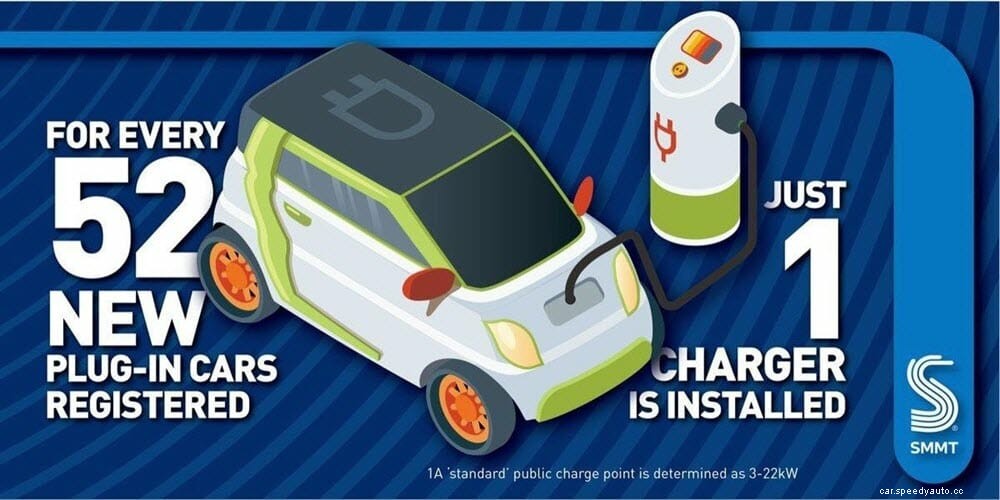
With 52 new electric cars on the road, it has been calculated that the British government would need to invest £4 million (or $5.6 million) to provide one charger for each vehicle. This poses a huge problem for drivers who are unable to charge their car when they need to due to a lack of charging points or because they are simply out of range from any available chargers.
But what about the US? While Britain and Europe are trying to prohibit the sales of ICE cars until 2035, they still face a large problem with the availability of public charging stations. Covering a large territory and being highly dependent on gas, the US electric vehicle drivers will see problems with finding enough chargers for their vehicles.
All this shows us is that if we want our electric car revolution then we’re going to have some problems ahead for it to be an effective change in society. Electric cars are a technology of the future and as such will need some investment from those who wish to see it progress.
According to the British Society of Motor Manufacturers and Traders (SMMT), the national infrastructure of the United Kingdom can’t keep pace with the sales of electric vehicles. This raises the question: if the situation is so dire in the UK, what is the real situation in the poor parts of the EU or far larger countries like the USA or Canada?
According to the SMMT, the UK government installed 4109 new public charging stations, which have to charge 212.181 electric and plug-in hybrid cars that were put on British roads this year. While the government tries some desperate measures, like the law that all new homes have to install electric charging stations, more and more citizens are concerned in 2035. Is the ban on ICE cars a reality?
Source: SMMT
This only confirms the problems that were predicted in 2019, as there was an 11:1 car to charger ratio. It became even worse in 2020 when the ratio became as high as 16:1, but nobody predicted the growth we saw this year.
What is the situation in the States? On average, the US has a 9.14:1 ratio, which highly depends on the state.
California is the absolute leader in the category regarding the number of EVs on the road. They have 425,300 registered EVs compared to the total 14,654,371 vehicles on the road. While EVs make 2.9% of the registered vehicles and there are 34,775 public chargers, they have a 12.23:1 car to public charger ratio.
While the states with the best ratios are also the states with the lowest number of EVs. Colder states like North Dakota (220 EV registered in 2021.) have fewer EVs because of the battery life in such a climate. Texas on the other hand has over 52,190 registered EVs.
The main argument of pro-electric car owners is that most of them have charging stations at home, but should car owners carry the weight of electrification on their back?
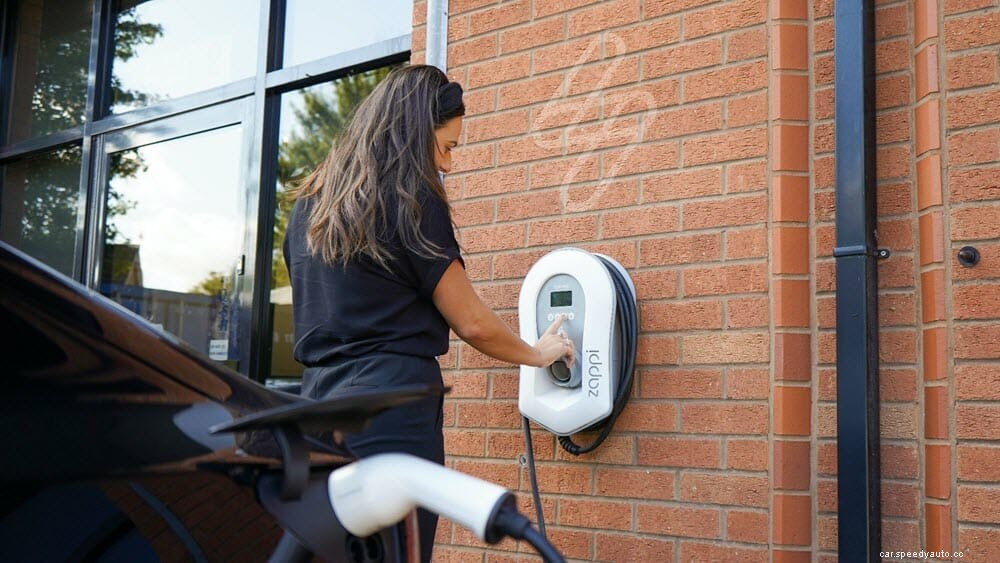
The main problem we are all aware of is that charging an electric car takes time. This can be a big inconvenience for people who rely on their cars to get around. In some cases, it can take hours to fully charge a car. This can be a major issue if you need to use your car urgently.
Another common complaint about electric cars is that the battery doesn’t last very long. You may need to charge your car multiple times a day if you use it regularly. This can be frustrating and time-consuming. Finally, electric cars can be expensive to maintain.
The cost of replacing the battery or charging the car can add up over time. Overall, electric cars have a lot of pros and cons. It’s important to weigh all of these factors before deciding on whether or not to buy one.
One of the main concerns people have about electric cars is how to change their daily routine to adapt to driving one. The good news is that it’s not as difficult as you might think. Here are a few tips:
One of the biggest adjustments you’ll need to make is charging your car. Most people plug their cars in overnight, so you’ll need to find a spot near your house where you can do this. Some communities have public charging stations (which can be problems as we said before), or you could ask a friend if they have room to charge your car at their house.
Electric cars require less maintenance than gas cars, but there are still some things you should keep in mind. For example, take it easy on your brakes because regenerative braking reduces wear and tear to the brake pads.
You can’t just stop for a fill-up when you’re low on fuel so you’ll have to plan and keep track of how much range (how far you can drive before recharging) your car has left – or use an app that does it automatically. If you think about where, why, and how often you drive, though, this shouldn’t be too hard.
For example: if there’s a charging station at work or near the store where you shop most frequently then those are good places to start planning trips from/to. Figure out which days/times of day offer the best electric driving conditions by using tools like the EPA’s SmartWay® calculator.
If you find yourself in a bind and need to juice up your car while out and about, all is not lost. There are still quite a few places that offer free charging for electric vehicles; just plug in and go! A lot of malls, airports, and other large businesses have installed chargers as a way of enticing their customers to shop longer.
Others have been subsidized by governments in the hopes of promoting electric vehicle use and reducing greenhouse gas emissions from transportation sources, so no matter what—you should be able to find a place that will let you charge your car for free or very cheaply.
Just make sure it’s open before pulling up; some charging stations only work with membership cards (that is, assuming they’re even open) and others might not allow overnight parking.
You may even be able to convince your boss to install a charger if there isn’t one already; since it takes about four hours on average to charge an electric car. It’s a great benefit for employer branding!
If you’re one of the many people who have purchased an electric car, you may be wondering where you should charge it. Many people assume that they need to have a garage in order to charge their electric car, but this is not always the case. There are several ways that you can charge your electric car without a garage.
One option is to use a charging station. Charging stations are becoming increasingly common, and there are several different types of charging stations available. Some charging stations are installed in homes, while others can be found in public places like parking garages and airports.
If you don’t have access to a charging station, you can also use a standard wall outlet to charge your electric car.
This option is best for electric cars that have a range of fewer than 30 miles since electric cars with longer ranges are better suited for charging stations.
If you own your electric car outright and it isn’t in use by anyone else (such as in fleet service or ownership) you can also charge your electric car at home. This is the best option for electric cars with long ranges because they need to be charged overnight in order to ensure they have enough charge to make it through the day.
While electric cars can be charged when their battery is completely empty (this will actually shorten the life of the battery), electric vehicles that are plugged into an outlet while not in use will begin charging the moment their charge drops below 90%.
Charging an electric car at home is very simple – you just plug it into a standard outlet. Some people worry that they will not be able to find an outlet to charge their car, but this should not be a problem because there are many places where you can charge your car. You can also buy a charging station for your home so that you can charge your car overnight.
Keep in mind that the standard outlet is far slower than a charging station, so you might expect longer charging periods.
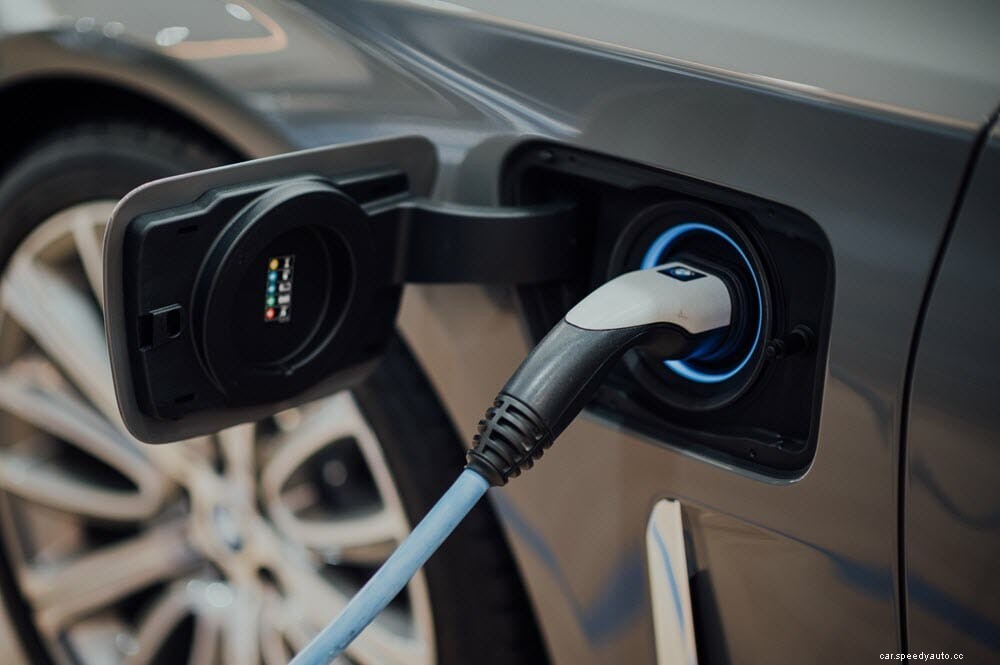
Although you can charge your vehicle at home, public chargers are available for free or low cost across most of North America. You may need to check with local agencies or businesses that own them though—some only offer them during business hours (typically early morning through mid-evening), while others might be accessible 24/7.
If they’re not already open when you get there, don’t worry; some will let you in any way if their lights are on inside and there’s nobody around.
When using a private charger like this it’s usually a good form to leave your membership card visible so people know why you’re parking where you are; charging cords can be a little unwieldy and it’s always possible someone might mistake your vehicle for being out of order.
If you work for a company with charging stations, lucky you! Most employers are more than happy to let employees juice up their electric cars during the day; all you need is an adapter (if your car doesn’t come with one) and access to an outlet.
Some businesses have started offering “free” gas in the form of electricity, so take advantage while you can—electricity is only going to get pricier as time goes on.
If you run out of battery power while driving, don’t worry! You can always call a local mechanic to help out with a power generator or you can buy one on your own. Also, most people will help you out.
No, electric vehicles do not need oil changes and they never need brake pads or spark plugs replaced either! This makes owning an electric vehicle less expensive than owning a traditional car in the long run.
Charging your electric car on a road trip can be a little tricky, but it’s definitely doable. Here are a few tips for charging your electric car on the go:
The primary reasons that people buy them are due to their efficient use of energy and lack of emissions while driving around the city or country.
Many consumers do not realize that there can be a few problems with owning one though – at least for now anyway! Before purchasing one, ask yourself:
Most importantly, many owners find themselves discouraged by the fact that they cannot recharge anywhere near as fast compared to filling up on gasoline to drive the same distance.
This can be a major problem, especially if you work outside of your home and need to transport yourself back and forth each day – what happens when your battery is low? You will not get very far!
Another major drawback that many people tend to forget about is the current cost of electric cars (although this continues to become cheaper every year). Right now they are still much more expensive overall than regular gas-powered vehicles: it costs almost twice as much in some cases.
Basically, you either have an expensive car or a limited range depending on which one you choose; there isn’t really any middle ground here. The good news is that these prices should continue to go down over time though, making them even more accessible to the average person.
So, is an electric car right for you? That depends on your unique needs and what you value most in a vehicle. If you’re looking for something that is efficient and environmentally friendly, then absolutely! But if you need more range or are worried about charging time, it’s best to do some more research before making your final decision. Happy driving!
More related articles to read:
How Long Does It Take to Charge a Car Battery While Driving?
How To Read A Battery Charger Amp Meter
Procharger vs Supercharger: Differences, Pros, and Cons
