
We all know the original electric triplets. They are the Peugeot iOn, the Citroen C-Zero and the Mitsubishi i-MiEV. They are great for city driving, unfortunately, they were designed to fail. Low range combined with high price was the recipe for failure.
The good news is that the Volkswagen Group – starting next year -, will bring its own electric triplets and this time with enough range and a more reasonable price tag. They’ll be the Volkswagen e-Up 2.0, the Skoda e-Citigo and the Seat e-Mii.
The upcoming Volkswagen electric triplets will be an improvement over the existing – good but overpriced – Volkswagen e-up. They’ll be upgraded with more battery capacity for more range, a more powerful – and possibly more efficient – powertrain and likely faster charging capability.
The existing Volkswagen e-up with its 18,7 kWh battery has a 160 km range in NEDC and 134 km in WLTP. Its AC electric motor is capable of delivering 60 kW (82 PS) and 210 Nm of torque. In Germany its price starts at 26.900 euros, which is more than twice as much as its gas-counterpart.
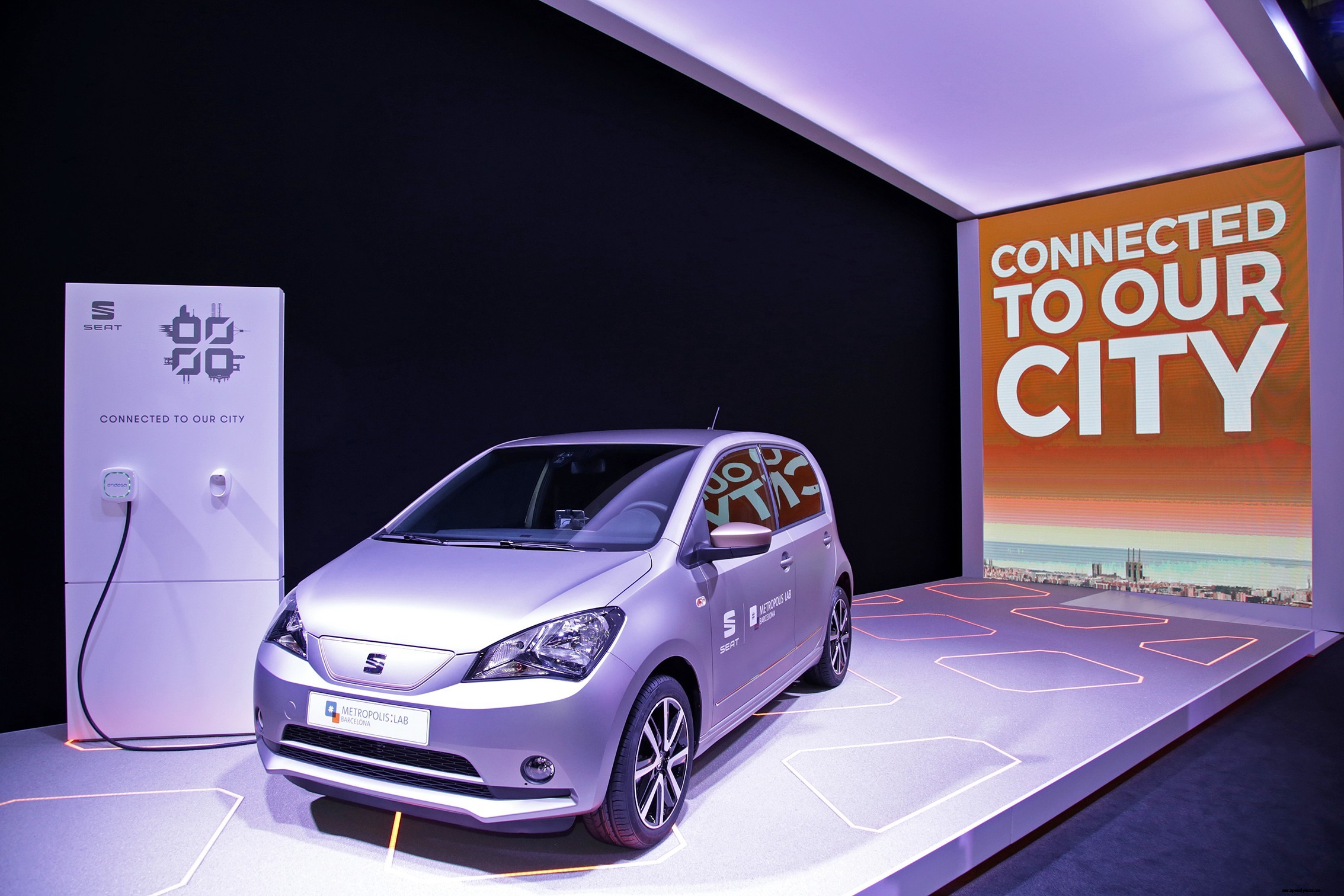
Seat e-Mii at Mobile World Congress 2017 in Barcelona
According to Auto Bild (2018/33 page 12) this is what we can expect from the new triplets.
The battery pack configuration should remain the same as the current Volkswagen e-up with a total of 204 PHEV2 battery cells (102s2p), but instead of using Sanyo/Panasonic battery cells with 25 Ah it’ll most likely be upgraded to 50 Ah cells from Samsung SDI. Samsung SDI is already producing battery cells at its plant in Hungary.
With 50 Ah cells the battery pack will have a total capacity of 37,7 kWh (204 x 50 Ah x 3,7 V), not much different from the 36 kWh announced by Auto Bild.
While the 300 km range has been mentioned for a long time, lately I also see some references to 270 km, which is most likely the WLTP range, this would make sense, since the current Volkswagen e-up has a 134 km range in WLTP.
Furthermore, according to ElektrickeVozy.cz the VW triplets will only get a 500 km range – with the 49 kWh battery – in the next generation, which will be based on MEB platform and probably with more energy dense CATL battery cells. Next year we’ll get a facelift, not a new generation.
What’s a surprise to me is that Auto Bild says that there will be a 24 kWh battery option. I’ve never heard about it before. Nor the multiple powertrains with different performances. If true, the top powertrain with 430 Nm of torque will make this electric car a beast, the Chevrolet Spark EV for example, was known for its fast acceleration and had an electric powertrain that produced 444 Nm of torque.
There’s still no word about the charging capabilities, but a 7,4 kW on-board charger is the minimum we can expect for these battery capacities. Nonetheless, an optional 11-22 kW on-board charger would be even better… Regarding DC fast charging via CCS I think that it’s unlikely to surpass 50 kW, especially if it still lacks a TMS (Thermal Management System) like the current Volkswagen e-up.
I would like to address the importance of three-phase on-board chargers, which are great for electric cars that are driven mostly in European cities, where 22 kW public EVSEs are widely available. Moreover, considering that Volkswagen will use these electric cars for car sharing services, it makes financial sense to adopt them, since less time to charge means more time available to drive (rent)… Don’t you think?
Anyway, Skoda already confirmed that the e-Citigo is coming next year and Skoda officials suggest a price around 19.000 euros. It’ll be available for pre-order in the first quarter of 2019, by then we’ll know the final specs.
Currently, the A-segment electric cars are almost non-existent in Europe, but let’s see the most direct alternatives to the Volkswagen triplets.
The obvious and already available alternative is the Smart EQ ForFour. This electric car with its 17,6 kWh battery is sold in Germany with a starting price of 22.600 euros, which is extremely overpriced, however if Smart proves to be “smart” and reduces its price to below 15.000 euros with the 22 kW on-board charger included, it will be a good alternative to the Volkswagen triplets.
Smart really needs to make its electric cars affordable, since they are all it’ll sell in Europe starting 2020. Considering that the small 17,6 kWh battery already gets its cells from the LG Chem plant in Poland, I doubt that the battery pack costs more than 3.000 euros, so there’s no justification for the current overpriced price tag.
Another alternative is the long-awaited Renault Twingo ZE, which is the unborn sibling of the Smart EQ ForFour. Renault says it’s ready to launch it when the market demands it. Maybe it’s time…
Considering that the Renault Zoe R110 has a 41 kWh battery pack with a 96s2p configuration, if the Twingo ZE adopts a 96s1p configuration with the same cells it gets a 20,5 kWh usable battery capacity. This battery capacity might seem small, but with a 22 kW on-board charger and a decent price it’ll make the Renault Twingo ZE a great city car. Moreover, if it gets CCS fast charging it’ll be even better, even if it’s 35-40 kW only.
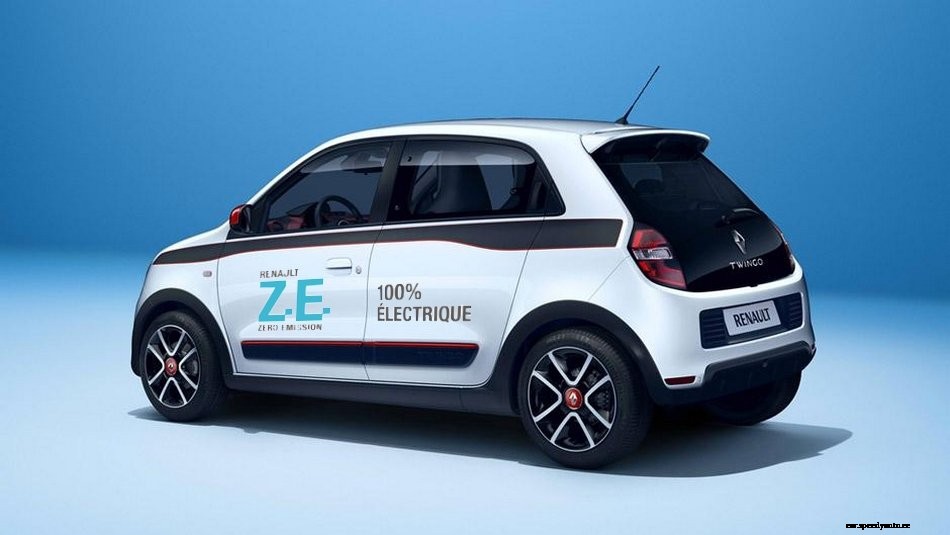
Renault Twingo ZE
Nissan and Mitsubishi are also expected to launch an A-segment electric car in a year or two, but at the moment this is all there is. A-segment electric cars are perfect for car sharing services and automakers could profit from them.
Now a step further…
Super efficient tandem seat electric cars with jet-fighter style.
Opel RAK-e
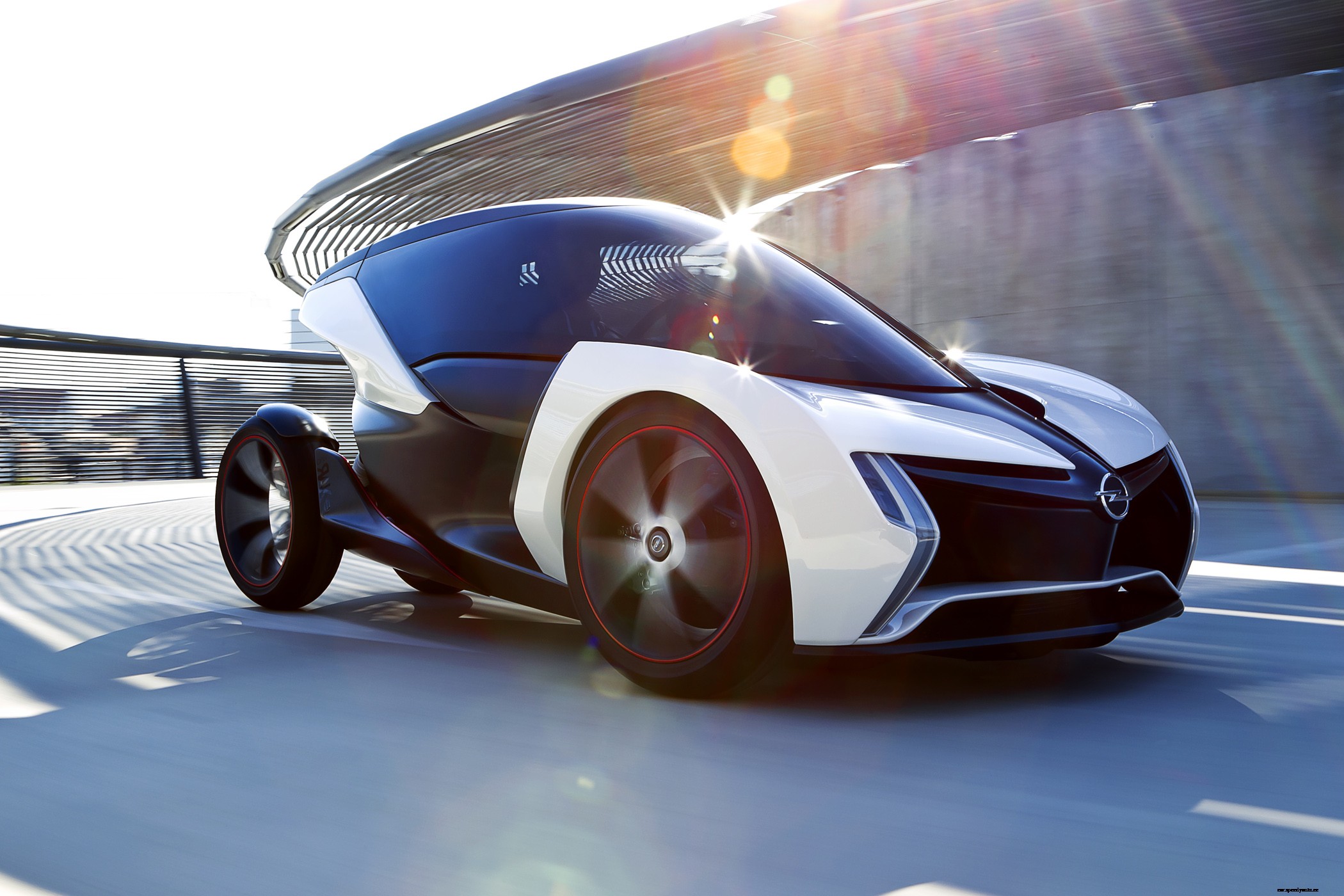
Opel Rak-e concept car
The Opel RAK-e is probably my favorite concept car. It transports two persons in tandem seats. It’s very lightweight and aerodynamic so it doesn’t need a big battery to get a decent range.
For this ultra efficient car, a small 20 kWh battery would be enough for a real world range of 250-300 km. It would also be possible to charge the little battery in less than 10 minutes at a 150 kW CCS fast charger.
At the current price of 150 € per kWh, the 20 kWh worth of cells would cost no more than 3.000 €. Opel could sell it for 10.000-12.000 €.
This electric car would be a hit, especially with younger drivers that don’t even consider buying regular gas cars. This car would also be awesome as a commuter car.
Volkswagen Nils

Volkswagen Nils concept car charging
The Volkswagen Nils besides not being on sale, only have one thing I dislike, it only seats one person. The production version should have two tandem seats.
Like the Opel RAK-e, this very efficient electric car wouldn’t need a big battery to get a decent range.
A small 20 kWh battery and the ability to charge in less than 10 minutes at a CCS fast charger would make it awesome.
Nissan Land Glider
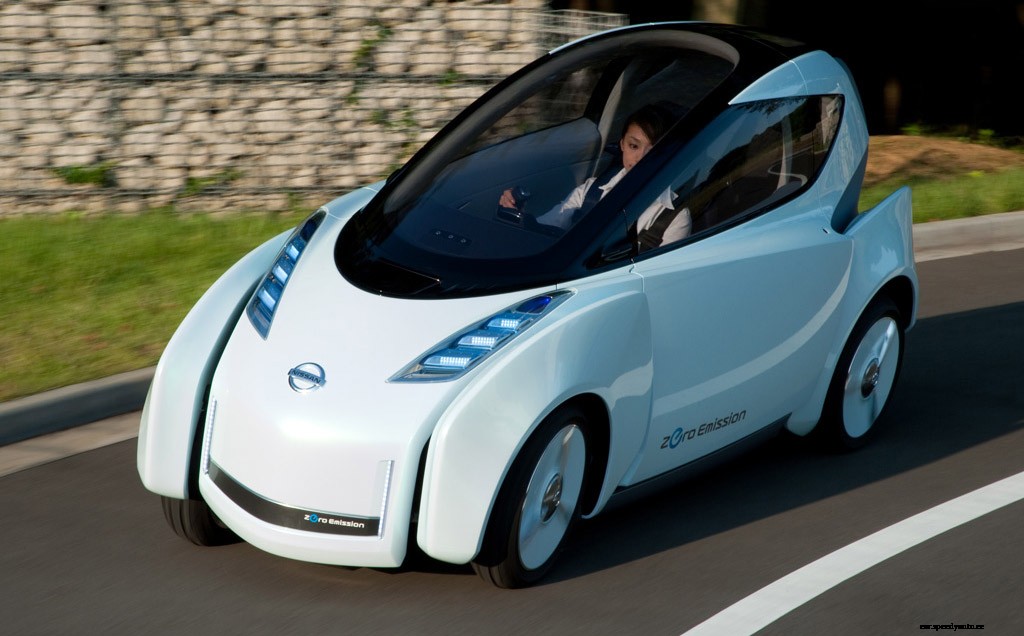
Nissan Land Glider Concept
The Nissan Land Glider is very similar in concept to the Opel RAK-e and Volkswagen Nils.
This ultra efficient electric car with two tandem seats would make the Renault Twizy blush in shame. If Nissan decides not to make it, this could be the second generation Renault Twizy.
It’s a shame that legacy automakers are ignoring smaller and more efficient electric cars while at the same time complaining that there isn’t enough battery production for their massive, inefficient and battery hungry electric SUVs.
Anyway, what would you prefer? A VW electric triplet with a 300 km city range, 50 kW CCS and a 7,4 kW on-board charger for 19.000 euros, or a lighter and more efficient Renault Twingo ZE with a 200 km city range, TMS, a 22 kW on-board charger and heat-pump for 4.000 euros less? Or even one of those super efficient electric cars that unfortunately are still just concepts?!
