
Last May in an online presentation SVOLT gave us more information about its NMx cobalt-free battery cell that’ll arrive next year.
This long cobalt-free battery cell from SVOLT is specially made to be used in battery packs assembled with the CTP (cell-to-pack) technology.
226 Ah battery cell
At the online presentation SVOLT announced that battery cells with this technology would be produced at capacities up to 226 Ah, but now SVOLT is in-vehicle testing a lower capacity version with 115 Ah.
115 Ah battery cell
Great Wall's Fengchao starts 1st in-vehicle tests of its #cobalt-free #battery, #China media reports.
The battery tested is 115Ah, ≥235Wh/kg VDA 355 with 2.5K cycles.
Earlier, Fengchao said this battery to enter mass production in Jun 2021. pic.twitter.com/zS6Trg18Pj— Moneyball (@DKurac) September 10, 2020
Hypothetical battery pack 1 (226 Ah)
Hypothetical battery pack 2 (115 Ah)
With two very different battery capacities SVOLT can produce cobalt-free battery packs for small and big electric cars. PSA is the first European automaker to sign a battery supply contract with SVOLT, but more should soon follow.
A FIAT Centoventi with an affordable and safe 42 kWh cobalt-free battery that handles 2.500 cycles would be awesome, wouldn’t it?
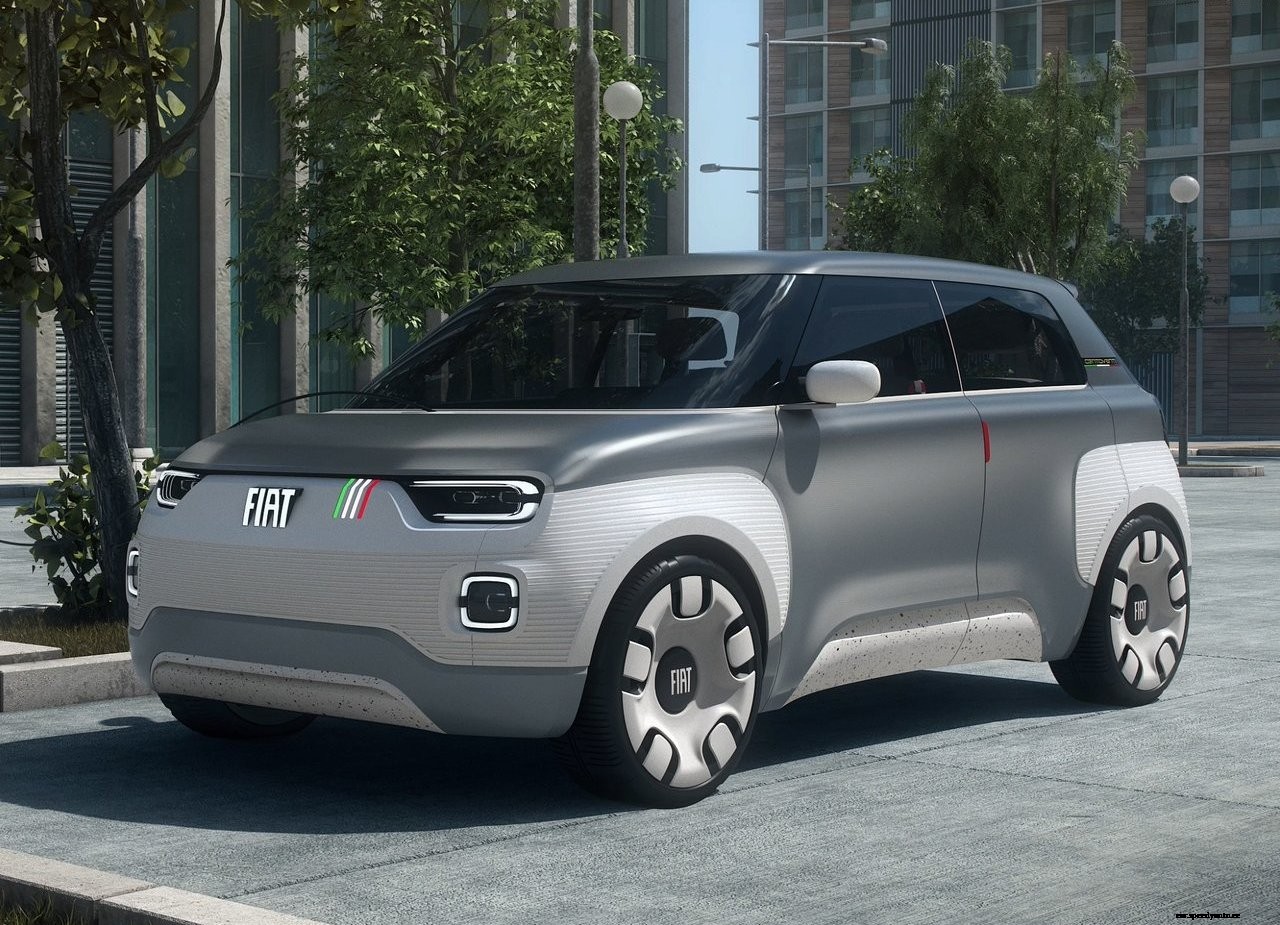
FIAT Concept Centoventi
Anyway, LNMO isn’t the only cobalt-free chemistry being tested, LFMP (high-voltage version of LFP) is also being developed by Chinese companies. Meanwhile, Japanese and Korean battery cell makers still don’t show signs of having alternatives to more expensive NCA and NCM chemistries. As for European companies, the project COBRA is an attempt to recover lost time.
