
If you want to build your own battery pack to use in an electric vehicle, renewable energy storage system or to replace the much heavier 12 volt lead–acid battery in your car this article might help you choose the right battery cells.
The recommended battery cells depend on the application. If you want a battery to power an electric vehicle, the battery should be compact and light. On the other hand, if you want a battery for an ESS (Energy Storage System) or to replace the 12 volt lead–acid battery in your car, it’s important that the battery has other characteristics.
I’ll divide the recommendations in two types of projects.
Project A
Main applications:
In this project battery cells should be easy to install and replace. The battery also needs to be safe, reliable, durable and with decent power energy. Volume and weight is not very important.
Battery cell format
Prismatic cells with screw terminals are perfect for the job. They are like LEGO, super easy to assemble together and also very easy to replace in future upgrades. No soldering required.
Battery cell chemistry
As for the best battery chemistry, LFP (LiFePO4) is my choice. It’s reliable, durable, safe and don’t cost a fortune (no cobalt used).
The only downside of LFP battery cells is their low energy density, but even that is being improved.
Let’s see the developments made by the Chinese battery cell maker ETC.
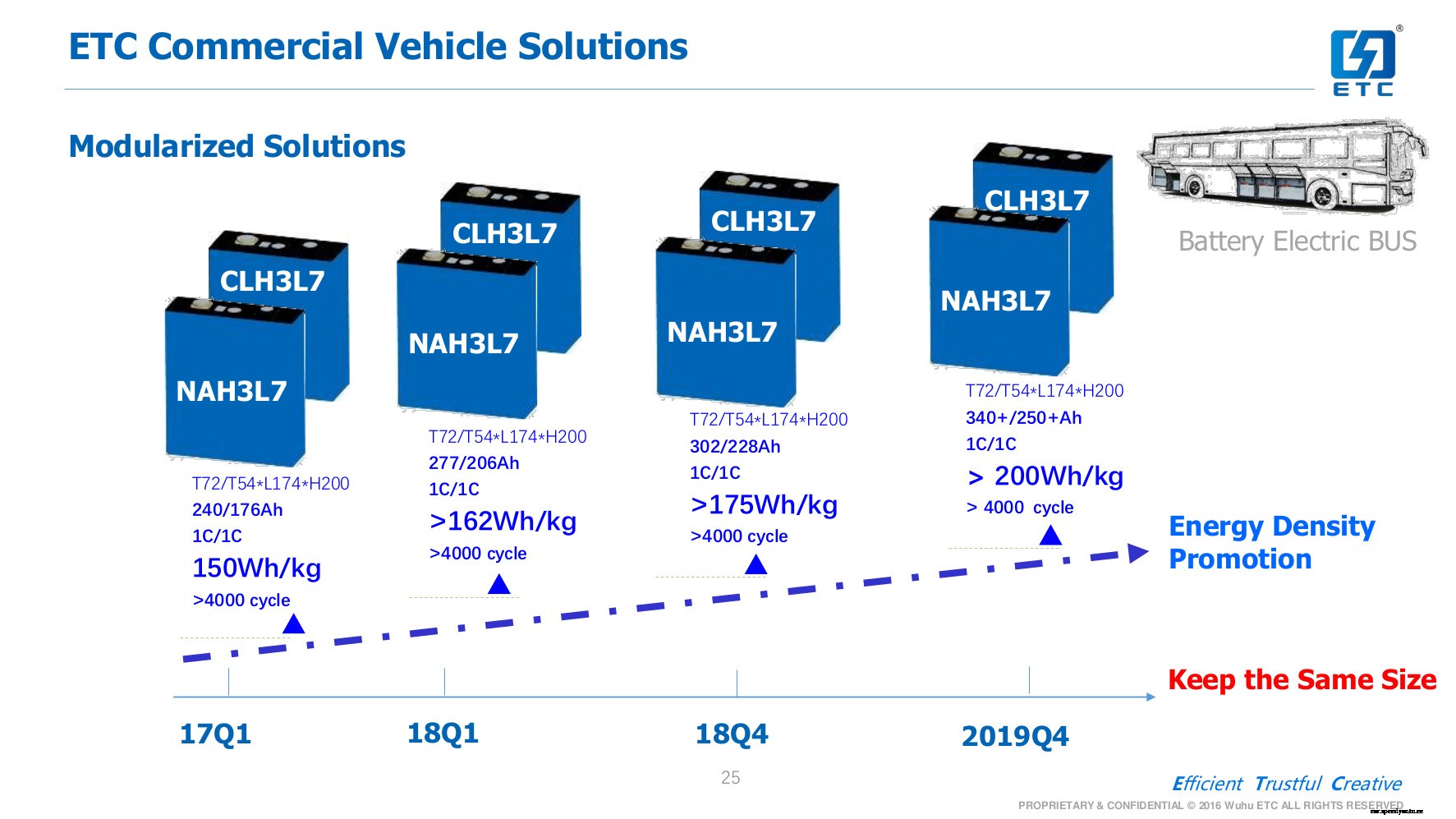
ETC battery energy density evolution
LFP (LiFePO4) cells have been improved regarding their energy density, while remaining reliable, durable, safe and affordable. Not requiring cobalt is a major quality of this battery chemistry. These sturdy cells are popular for ESS (Energy Storage Systems) and electric buses.
The second-generation LFP 206 Ah cells are already available to private buyers. Let’s see the specs of these cells in more detail.
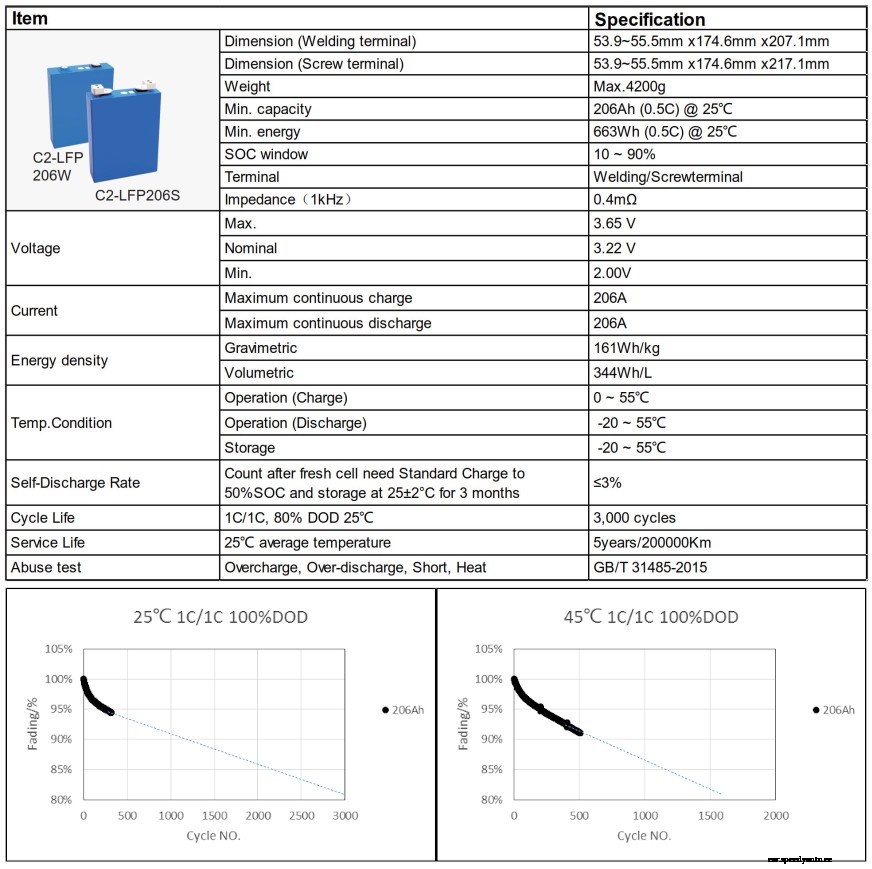
LFP206S battery cell specs
With the energy density increase, this second-generation LFP battery cell isn’t much different to the exceptional Samsung SDI 94 Ah battery cell, with the extra benefit of using no cobalt.
For DIY projects I wouldn’t recommend battery cells with great specs if they aren’t easy to buy nor affordable. The second-generation 206 Ah LFP battery cells from ETC can be bought for around 190 euros per kWh in here. Moreover, in most countries you’ll avoid import duties and taxes.
Summing up, I recommend these battery cells because:
Project B
Main applications:
In this project battery cells should be as light and compact as possible. Volume and weight is very important.
Battery cell format
Cylindrical cells are small enough that allow to build battery packs in every shape possible. Years ago the 18650 format was dominant and alternatives were almost nonexistent, but now the 26650 format is gaining popularity, especially for electric bicycles.
Battery cell chemistry
NCM and NCA are the most energy dense chemistries, therefore are the recommended for this project. These chemistries are very popular in cylindrical cells.
In my opinion LiitoKala has the best battery cells for this project. The LiitoKala Lii-50A in the 26650 format is my recommendation. The downside is that you have to solder these cells to assemble the battery pack, unless you buy one already made and ready to use.
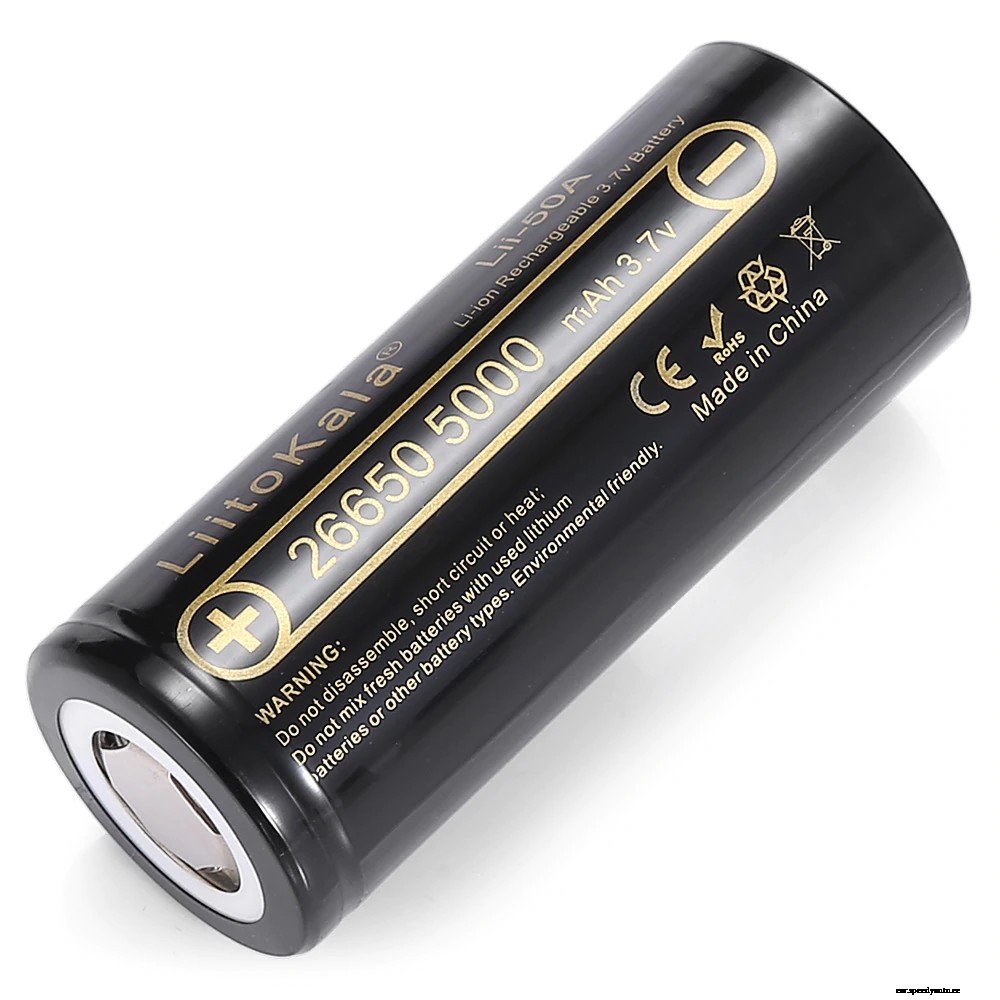
LiitoKala Lii-50A
For DIY projects I wouldn’t recommend battery cells with great specs if they aren’t easy to buy nor affordable. These battery cells can be bought for around 192 euros per kWh in here.
Summing up, I recommend these battery cells because:
Have you ever completed a DIY project involving batteries? Ever thought of building your own customized version of a Tesla Powerwall?
