
Imagine, you’ve got a car and it all works so fine. However, when you turn on the air conditioner it only blows warm air. What could be the problem? If all of a sudden, the AC compressor clutch stops working and doesn’t engage, this could be the reason your AC isn't functioning properly.
The compressor could have a serious issue or a small one. If the compressor clutch doesn’t engage; that usually means there's an electrical or mechanical problem with the compressor.
If the AC is not blowing cool air into the car, you may want to do a visual inspection of the AC compressor clutch, and determine if you can see what might be causing the clutch to not engage.
Even if you just filled up the AC system with refrigerant, if the AC compressor can't operate correctly you'll get warm air. You may decide to check the engine coolant and the engine oil as well to rule out other issues, but the clutch if the component that must function in order for the AC to work.
We'll talk about the possible problems and solutions for a compressor clutch that is not engaging. It could be anything from an obstruction in the refrigerant circuit to a loose wire. Lets make sure your AC is working well, and get started.
With a engine off:
Look at these visuals for more information on how your AC compressor works and what you can look for. Always make sure the engine has had time to cool off before working on or inspecting the engine. Using gloves will come in handy when physically inspecting parts.
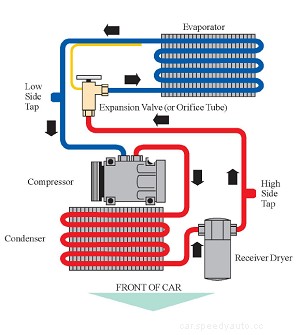
Via: pinterest.com/pin/315603886365280691
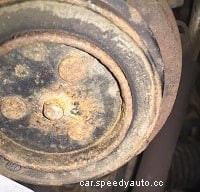
Via: www.tacomaworld.com
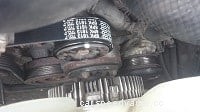
Via: www.clublexus.com
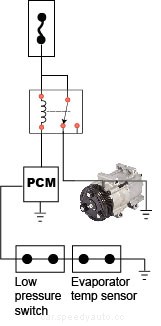
Via: ricksfreeautorepairadvice.com
After your visual inspection turn on the engine:
1. With the engine on, turn the AC to high - You'll be looking at the serpentine belt for any issues. Then look at the compressor clutch. The pulley should be be turning and then you'll need to wait, maybe a minute or so, and the compressor clutch should engage and start spinning also.
2. If you've waited several minutes while the engine is on and the AC is turn to maximum, and the clutch still isn't engaging there's something not working correctly.
3. If the clutch is engaging, but the AC isn't cold there could be a leak in the AC system. In that case you'll need to find the possible leak. Here's a video that explain how to find a leak using a florescent dye - How to Find AC Leak
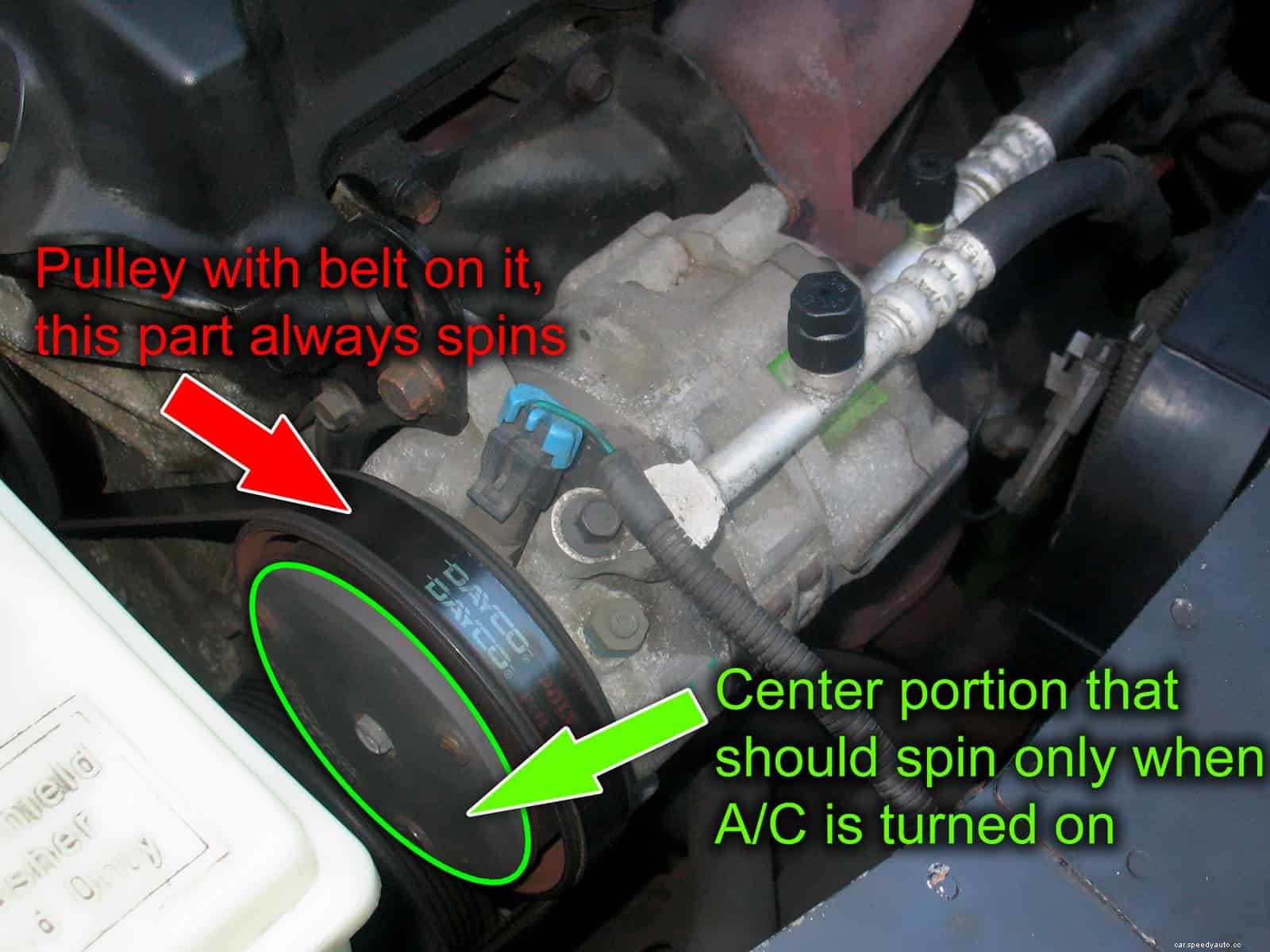 Photo Credit: https://mike-thomson.com/blog/?p=1240
4. You can also try a refrigerant leak detector and then get a can of stop leak. Make sure it is compatible with your refrigerant type.

 Here is a refrigerant leak detector.
 Here is a refrigerant leak stopper and refill.
Being low on the coolant might be another reason why you will find the AC compressor clutch not engaging. The sensors in your AC will measure if the pressure is correct. If something is off the AC compressor my not switch on.
Low coolant content or pressure can be dangerous for the system of your car. The compressor relies on the oils in the refrigerant to cool down parts and lubricate the mechanical parts.
Even though DIY kits can be used to recharge your system, caution must be taken since over filling your system can create problems as well. An over charged AC system will not have correct pressures and cause the clutch to not engage and the pressure can wear out parts faster.
TIP:
Try not to use DIY kits that work by hot wiring the switch of low pressure and then force the clutch to engage. This might sometimes work but is considered as a dangerous move because of the lack of oil in the compressor at the same time. By this time actually, you might have caused some serious damage to your compressor. Lack of oil in the compressor can permanently destroy it, calling for a more extensive repair and replacement.
Use refrigerant if you have done your homework and have a clear understanding of how much pressure your car AC system requires. If you suspect there has been a lot of AC refrigerant leaking you may want to read this article about AC system oil.
The best solution might be to go to a mechanic to evacuate your AC system (since this is the legal way to remove refrigerant) before adding refrigerant. This way you can be sure your adding the correct amount of refrigerant to your system.
Another way to check if your refrigerant levels are correct is by checking how much pressure your system is under. Using an AC diagnostic gauge will give you a clear indication of what the high and low pressures are.
Tips:
If there is a leak in the AC system, you need to get it repaired at the earliest. A leak causes moisture and air to make its way to the system. Moisture can combine with your coolant and generate acid or sludge. This can potentially wreck the system. If this has already happened, you would need to evacuate the system and make sure their are no obstructions.
When connecting a diagnostic tool to your AC system make sure to follow direction exactly. Then you can run the AC system and turn the AC setting it to HI. The AC should, cycle the refrigerant and the pressure reading will fluctuate some as the clutch engages.
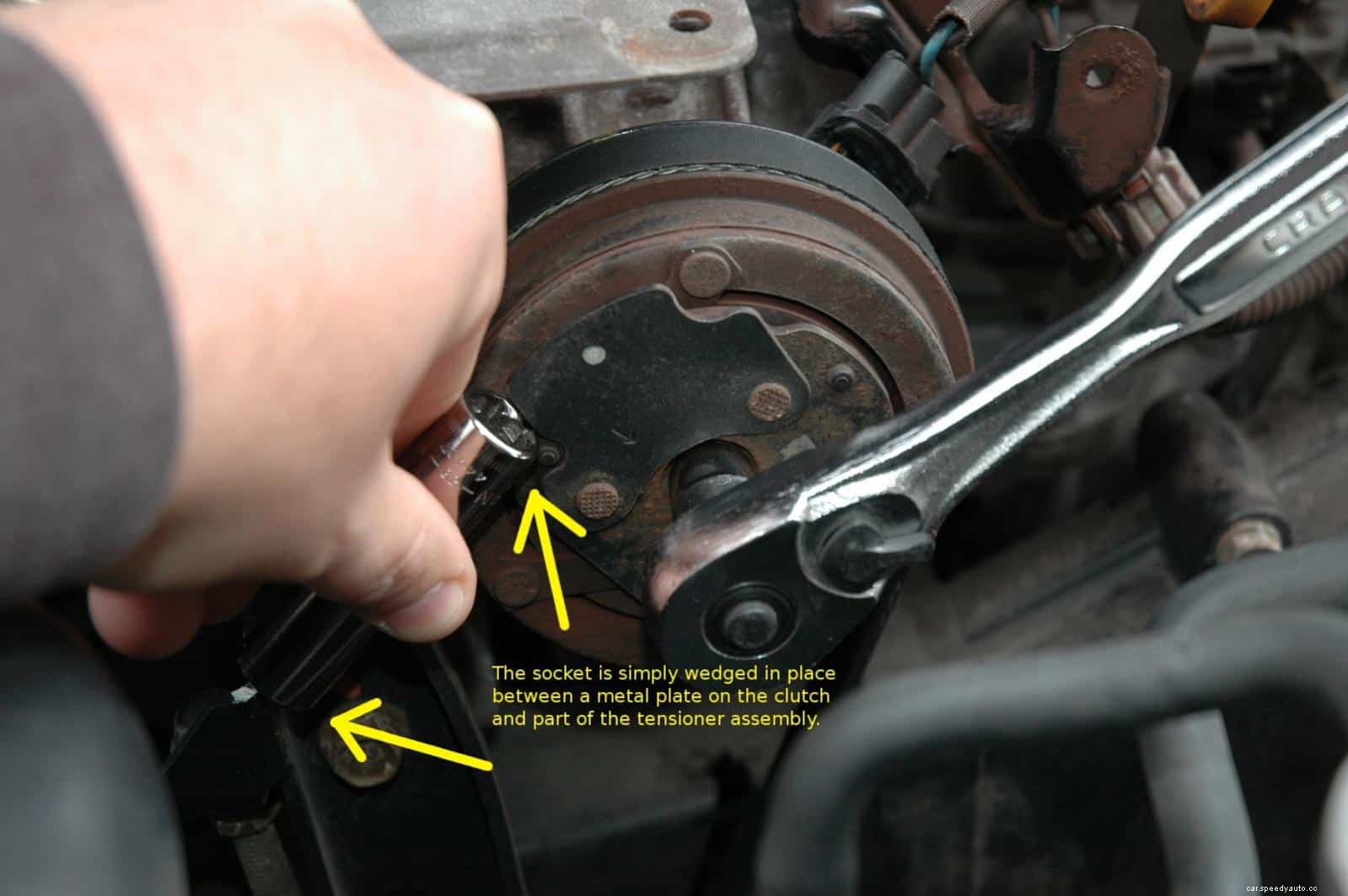 Photo Credit: http://legacygt.com/forums/showthread.php/c-compressor-clutch-replacement-diy-walkthrough-149236.html?s=c18f3abc4607744f5e0deac84e2b0493&
There can be several reason your compressor may not work, but if you've checked the electrical system, for any leaks, and the clutch, then it may be that your compressor has an internal mechanical or electrical problem that needs to be fixed.
My recommendation is to replace the entire unit if the compressor is bad. The reason for this is you'll likely save time and money by replacing the old one with a new one. Fairly frequently a rebuilt AC compressor will go bad again, sometimes not too much later after it is reconditioned.
The labor is intensive when taking one out and putting in a new one. If you have to do that twice you end up losing quite a bit of money. And a new compressor really doesn't cost too much more money then getting an old one repaired.
So getting a new compressor will be your best bet in the long run and sometime short term as well. Watch this video (How to Replace an AC Compressor in your Car) if your interested in installing your own compressor. Here's another video with more information to help you along the way. (Fixing a Locked Up AC Compressor)
If your compressor has locked up you'll also need to check the condenser around the connection where the compressor out line goes into the condenser. You will likely find small bit of metal that can clog your condenser. So you may need to replace it because you may not be able to get the metal bits out.
The drier / receiver which helps filter and store the liquid refrigerant as it starts to turn back into a gas, can be checked for noises or bad smells coming from the AC inside the car. Replace if is not functioning correctly.
The evaporator coil is usually located inside the car cabin and air is blow over it to cool the air down. You might hear a hissing sound if it is not working correctly or there might be a bad smell when turning on both the heat and AC. This may be quite expensive to replace, but should be fixed or replaced if leaking or broken.
The AC expansion valve helps the refrigerant turn into a gas. If it is not functioning properly you might find the AC compressor never shuts off and frost might cover the AC vents. On the other hand you could get warm air. Replacing this valve may not be too expensive, and is definitely an easier job than replacing an AC compressor.
The fuse box may contain fuses associated with your AC compressor. If a fuse is blown, you can easily replace it.
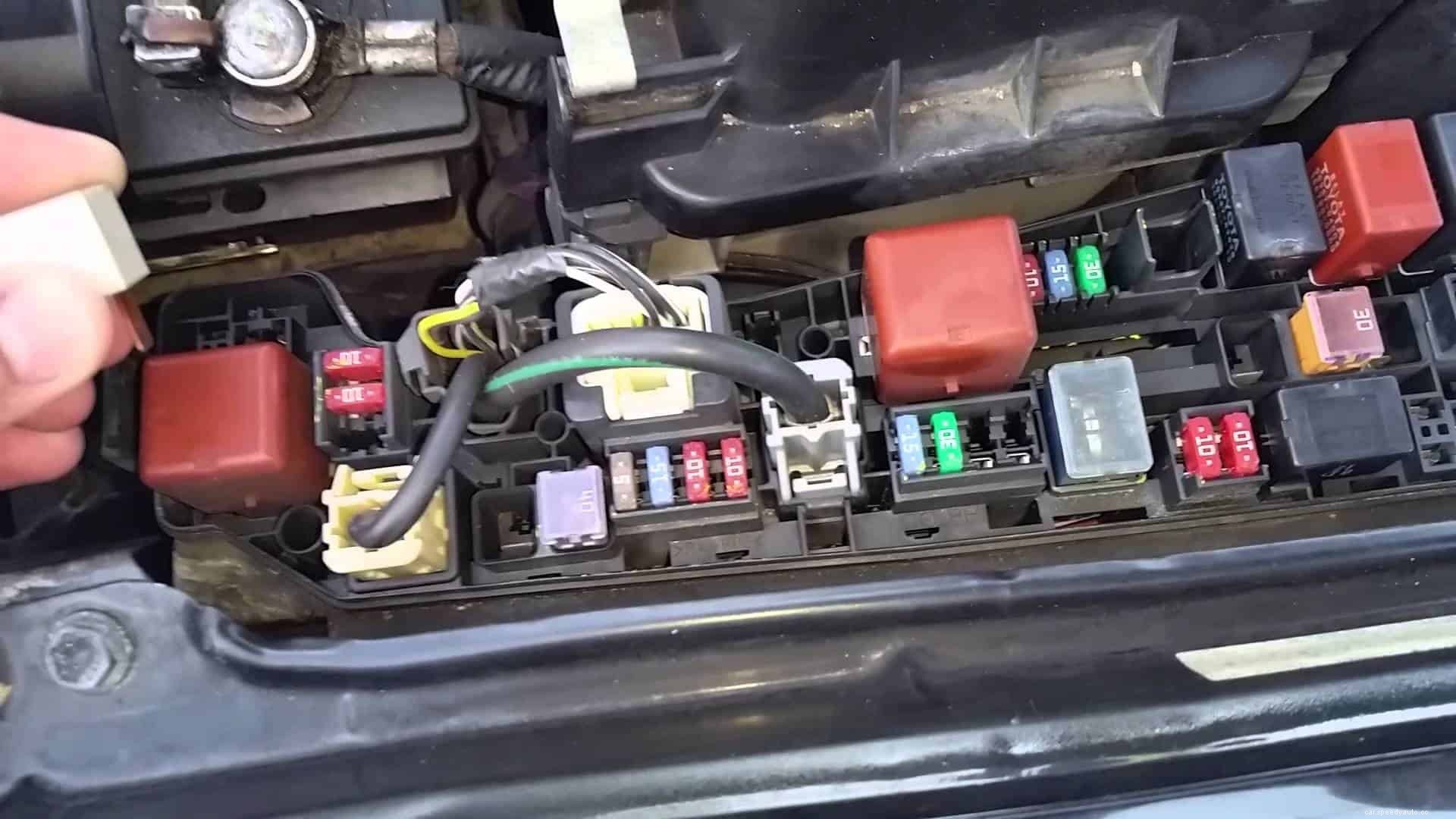 Photo Credit: https://www.youtube.com/watch?v=9yEGurt9th4
When you've investigated the problem and done your research and you don't want to do the repair work, you can be more confident when out sourcing work to a mechanic.
Since you know a lot more about what is wrong and what to expect when repairs are done, you can discuss with the mechanic in a way that shows you'll be expecting a professional job for the cost. Asking them to fix an AC compressor will cost a bit, but it will hurt less for some knowing what is involved with repairs.
A trusted mechanic can help you replace your compressor and give you the peace of mind of not trying to solve something you may not be prepared for. This type of job comes with a big learning curve, so caution is to be used.
If you still want to install it yourself, do all the research you need before and get a friend to help.
Start with the simplest ways to check the AC compressor and see if this will help you find out what is wrong. Then continue different inspections until you feel you are not longer interested or qualified.
You want to be able to finish a job that you start, so your not let frustrated and fixing problems that you've created on accident. Starting small can help you gauge what you're able and willing to do.
Try not to experiment too much on your own. If you are unable to start and engage the clutch of the compressor on your own, a friend with experience or mechanic is usually the right choice. Read more articles from our blog for more information on auto engines, auto parts, and associated automobile problems.
