
Your vehicle overheating is a serious indication that something is wrong. Every car is prone to overheating at some point in their life, especially those in warmer climates with little vegetation and shade available. There are many factors that contribute to overheating and many remedies at your disposal for immediate and long-term avoidance of overheating.
How to keep a car from overheating: 10 tips that work are:
If you see the temperature gauge reaching a dangerous level more frequently than you would like, use this guide to understand the ins and out of your vehicle’s coolant needs. We’ll walk you step-by-step through troubleshooting and preventative tips for the future. By the end, you’ll know if a mechanic is needed, but you’ll likely be able to handle this on your own.
Quick Navigation Introduction to Your Car OverheatingHow to Keep Your Car from Overheating: 10 Tips that Work! The Short- and Long-Term Impact of Your Car Overheating Common Causes for a Vehicle Overheating Indications That Your Car is Overheating If Your Vehicle Overheats – Here’s What to Do! Costs to Repair an Overheated CarFinal Tips on Vehicle Maintenance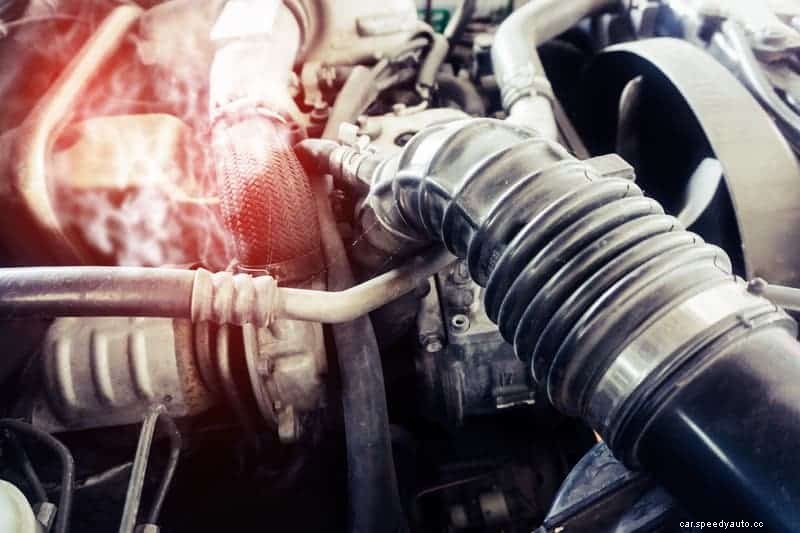
All cars are susceptible to overheating at some point. There is an optimal temperature range where your car is protected for:
Please note beforehand - Do not continue to drive if your car is overheating. If you cannot individually repair, always call roadside assistance.
Your typical combustion-run car (powered by fuel), as well as Electric Vehicles – each type of car is vulnerable to overheating.
Any type of vehicle will require Coolant and fans to keep the central engine cool. The temperature gauge will measure these fans and translates this data back to the ECU (Engine Control Unit). The ECU uses the information processed through the vehicle to communicate to the engine. This keeps the engine running.
Keep everything communicating clearly with the ECU and follow these 10 tips that help prevent future vehicle overheating. You can prevent overheating and keep your car cool by:

This is a top-ranking solution for all car-owners to take advantage of. Especially in warmer climates or during the Summer months, this must be taken seriously as not only can the engine of your car overheat, but also the interior.
Researchers at the University of California San Diego found that:
“If a car is parked in the sun on a Summer day, the interior temperature can reach 116-degrees Fahrenheit, and the dashboard can exceed 165-degrees Fahrenheit in approximately one hour – The time it can take for a young child trapped in a car to suffer fatal injuries.”
Parking your car in the shade whenever possible, will prevent:
While also extending the life-span and functionality of your vehicle.
Habitual parking in a shady or sheltered location can extend the life-span of your vehicle because you are keeping all fluids and oils stable. This leads to a more well-functioning vehicle.
Always park in a garage if available because this degree of shade-protection will:


Purchasing a Car Sunshade is an excellent way to reflect powerful UV rays back outwards, away from your car. Without a light refractor to redistribute those light rays, a greenhouse effect will cause the extreme temperatures to rapidly raise.
If you have children or a full car, also consider Side Sunshades (4px) for your backseat riders as well. Consider purchasing custom shades that are suited to your car’s model. These can often be purchased at the dealership where your model sold.
A professional window tint adds a layer of film on the glass which makes it darker and tinted. When you can’t see inside of someone’s vehicle, this means they’ve had the windows tinted. This film will keep the interior much cooler and protect the family from UVB and UVA rays that lead to sunburn and skin damage.
(Be careful to not tint too far as this can be illegal. Police do need to be able to see into your vehicle slightly but the professional tinting expert will be aware of this). In Texas, for example:
“Vehicle windows in Texas are allowed to have tint, but the amount of tint depends on the window. No tint is allowed on the front windshield below the AS-1 line (or the top five inches), and tinting on the front side windows must allow 25 percent or more of light in.”
This will vary from state-to-state, but simply communicate with your tinting professional to find a tinting-degree that works for you and remains legal.
A basic window tint on Angie’s List is only $99, but this could range upwards to the thousands depending on your vehicle and the quality of your window tint-preference.
The benefits of a window-tint (as compared to a more-temporary solution of a window shade) include:
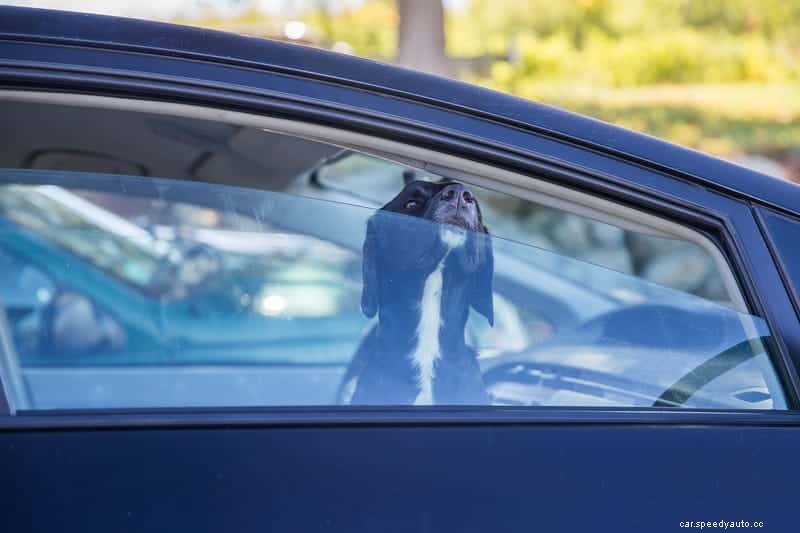
To follow-up on any vehicle’s propensity for greenhouse gas effects. Jonathan Strickland on How it Works compares the atmosphere to the inside heat of your car:
“The heat radiated by the seats is a different wavelength than the light of the sun that made it through the windows in the first place. So a certain amount of energy is going in, and less energy is going out. The result is a gradual increase in the temperature inside your car.”
The only real release for this heat is ventilation and air-flow. Do this by cracking your windows slightly when you plan to leave it in a hot parking lot or driveway for extended periods. You can also crack your sunroof slightly and combine this with your tinted windows or less-permanent window shades.
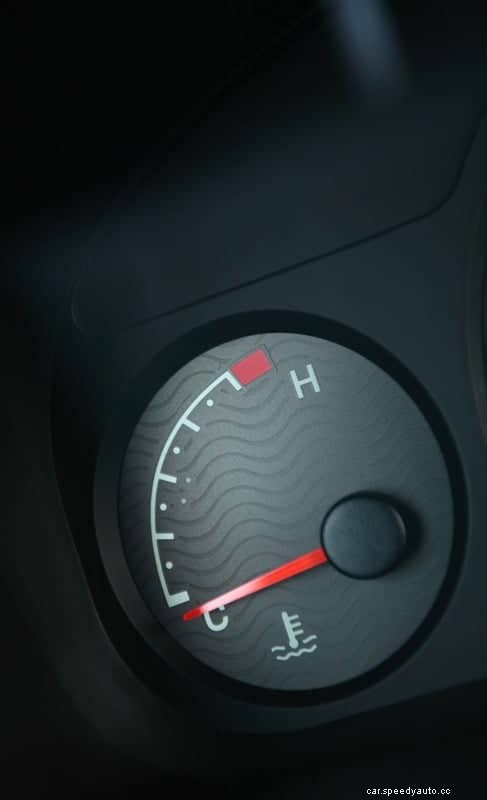
Near the speedometer, you will clearly see a gauge that states F-C (Fahrenheit to Celsius) or H-C (Hot to Cold) Keep an eye on this with the same regularity and normalcy as you watch the gas tank gauge.
Use the temperature gauge throughout hot, Summer days to determine if you’re pushing your vehicle too hard.
If the car is reading as too hot, you shouldn’t ignore this. It doesn’t have to be smoking and steaming for your car to be communicating something important. If the radar seems too high or close to hot (at around 80-100% hot, rather than being neutral or approximately 60% hot), the steps you can take to cool it off are:
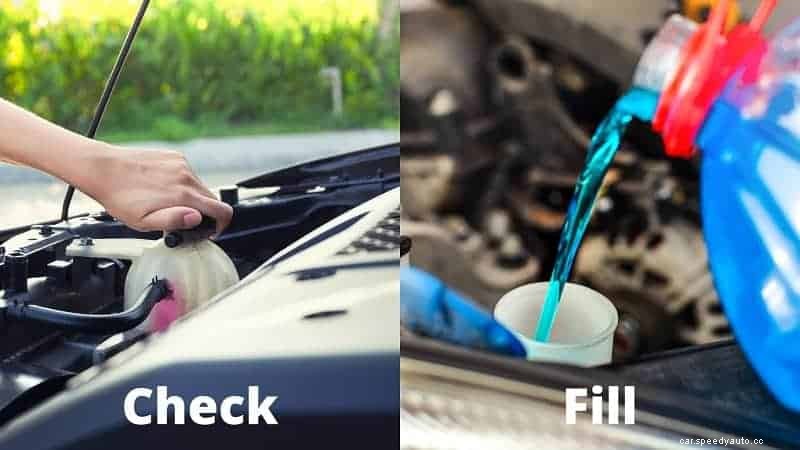
Through the combination of fans and antifreeze coolant, the internal functions are left cool enough to operate.
Antifreeze is an ingredient used within Coolant (with Coolant often being 50% antifreeze, 50% water).
Tip for safety – Never fill up Coolant while your car is hot. It can just evaporate and be rendered useless, also with the potential to burn yourself. Wait for the engine to cool before ever adding any coolant or water.
The steps to check this and fill your coolant mixture if needed are as follows:
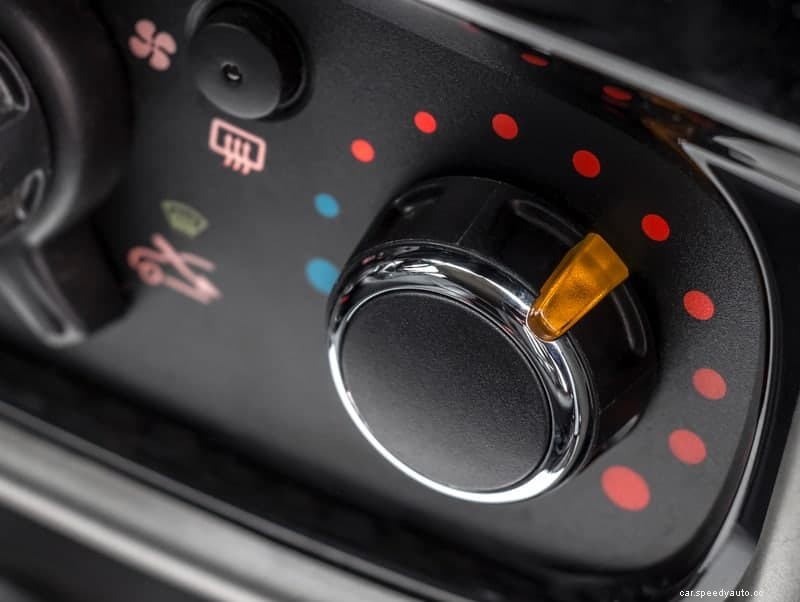
This may sound counter intuitive, but the air-conditioning is connected to the engine, while the heater is not.
Turing on the air-conditioner will worsen the problem and make your engine even hotter.
Conversely, turning on the heater will pull air away from the engine. This will pull air out of the engine and immediately cool down your interior functions.
This technique will be ideal if you’re stuck in traffic and can’t pull over immediately.
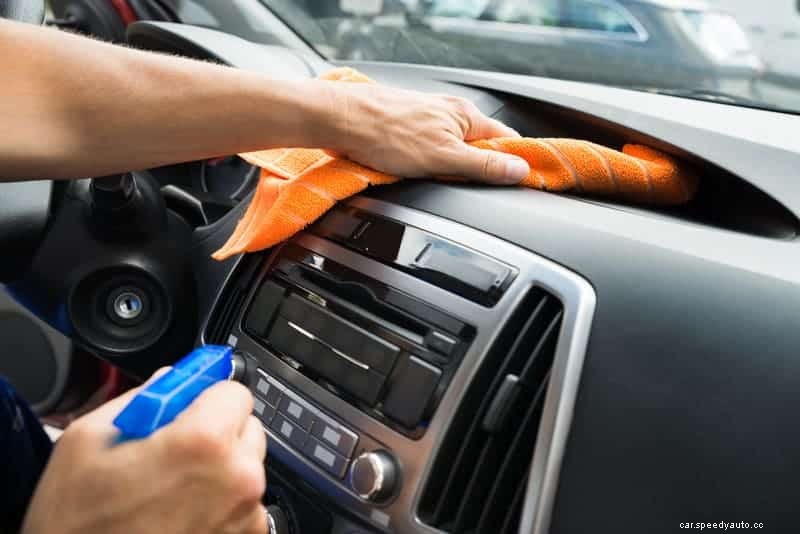
Utilize Soap specifically-made for Cars and don’t wash the car in the sun. The powerful UV rays will damage your paint coat which increases the risks of your interior overheating. This goes for waxing as well because the sunlight will beat down on your freshly-waxed car and undo any good you’ve done.
Tips for properly cleaning your car to protecting against heat are:
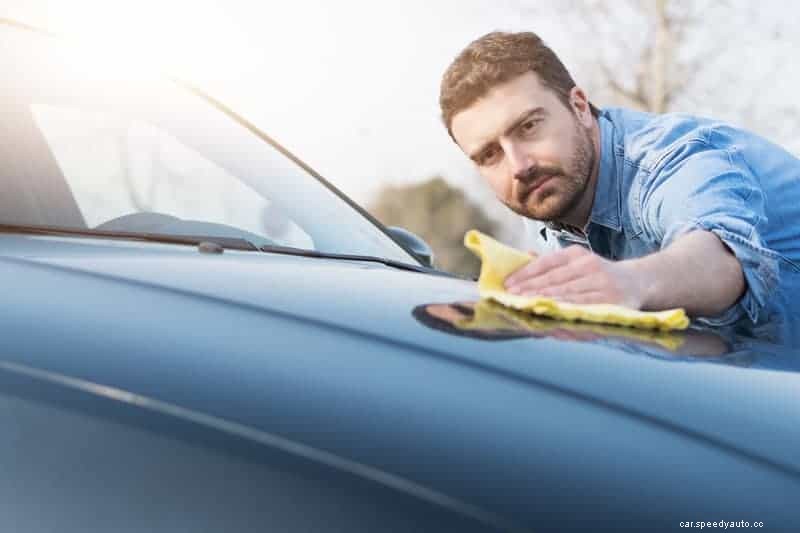
While waxing your car, just as with washing it, avoid direct sunlight. This adds an additional barrier of protection to your car against UV rays.
Purchase a wax that mentions being, ‘UV Ray Protectant & Warp Safe Hybrid Wax.’

Yes, sometimes the best thing to do is what is normally expected of a car-owner. The best protection for your vehicle is to keep it running at 100%
Be sure that you are doing the bare minimum of:
If you want to try to do it yourself (DIY), then you can try some tricks to fix it yourself. In this video there are some common ways a mechanic might try to find out what wrong with your car.
The ideal temperature for your engine should be between 195 to 220 degrees Fahrenheit. Your car is not only impacted by conditions that are too hot, but also by extreme temperatures that are too cold.
Overheating can cause:
These hazards are dangerous and can lead to an accident, or quite frankly, death if not taken seriously. What you’ll gain from this article is the ability to troubleshoot and repair the most common overheating issues on your own.
The main reasons that you will experience a car overheating are due to the following circumstances:
The simple explanations are:
It could be something wrong, or it could simply be too hot out for your vehicle to run as it should.
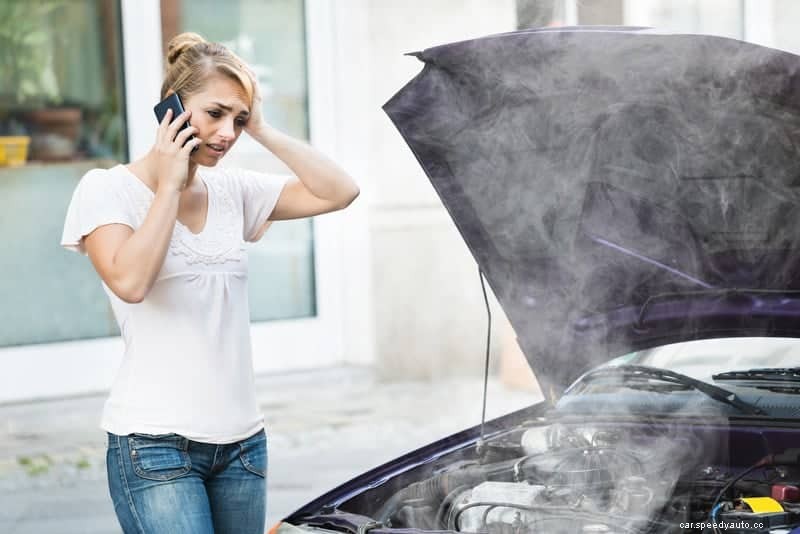
It should be quite evident if something is wrong, but your car will offer some warning signs usually.
The indications to signal to you that your vehicle is overheating are:
If you’re driving and the vehicle overheats, action must be taken immediately. The steps to take when action is required are:
The breakdown of these steps for further clarification are:
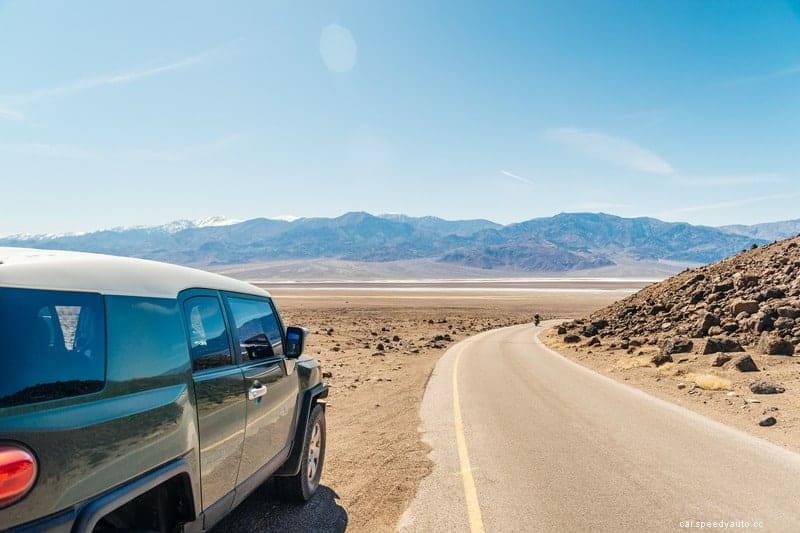
If you’re seeing the temperature gauge steadily rise – Your ECU is communicating for you to stop putting pressure on the engine. Do this by pulling over and avoiding further damage to your engine.
None of these measures will fix the problem, but they will help you drive a short distance to pull over safely or call roadside assistance.
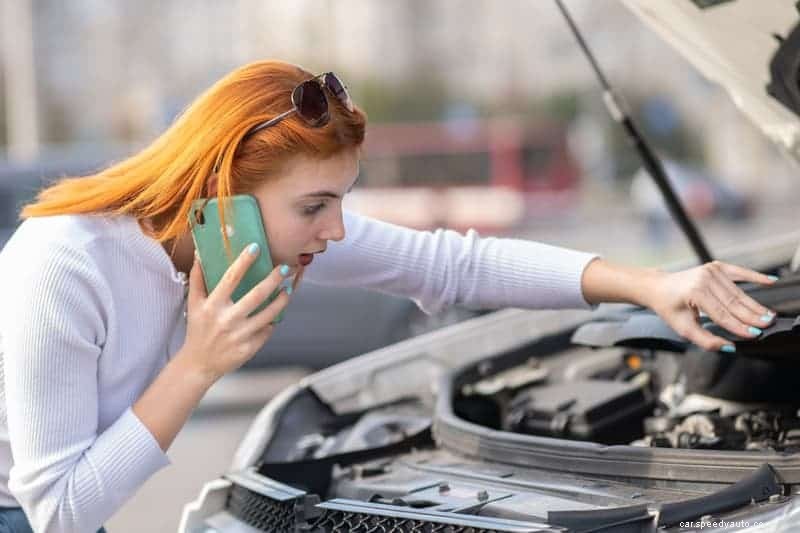
Once you’ve safely pulled over, you’ll need to pop the hood to increase air-flow and investigate. This should be done whether there is smoke coming from the hood or not because it allows the steam to disperse more quickly.
Allow your vehicle to cool for at least thirty minutes; some recommend up to an hour before even attempting to touch it. Turn off your car and all air-conditioning that makes the engine run harder.
The steps to pop your hood are:
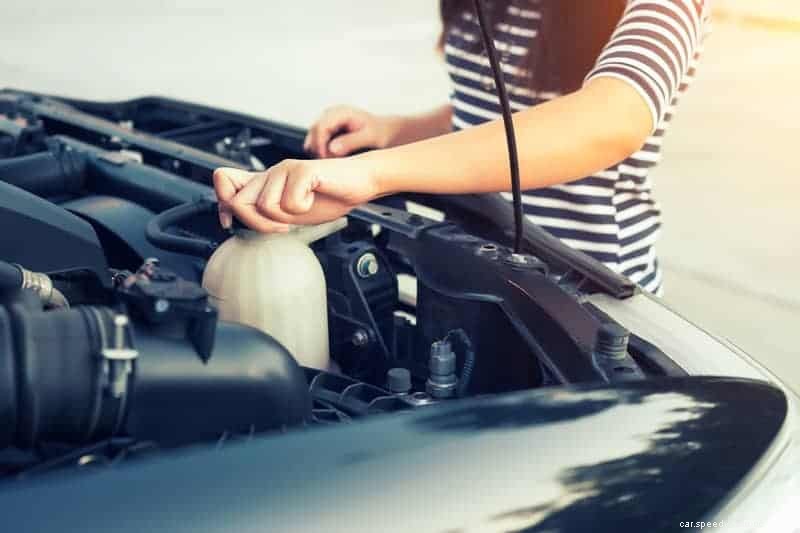
After your vehicle has cooled down for half an hour, look for the translucent tank that is located near the radiator. This is the coolant reserves that keep the engine and transmission cooled.
(Steps to fill your tank with Coolant are listed above in the ‘How to Keep a Car from Overheating,’ section, under #7).
As mentioned, the coolant mixture is substantially made of water. Keep in mind that by adding more water, you are thinning the antifreeze in further solvent (therefore lowering its potency and effectiveness).
This is not a long-term fix; however, it is the ideal step to take in this instance. Adding a bit of water (when you don’t have Coolant) will at least allow you to drive to your local autobody shop.
Important note – Always use warm water and avoid cool water. Cold water against the overheated engine that is nearly 200-degrees Fahrenheit or more can cause engine cracking.
After filling the tank with your Coolant or water:
At this point – Get your vehicle inspected as soon as possible. If this does not work, call a tow or roadside assistance.
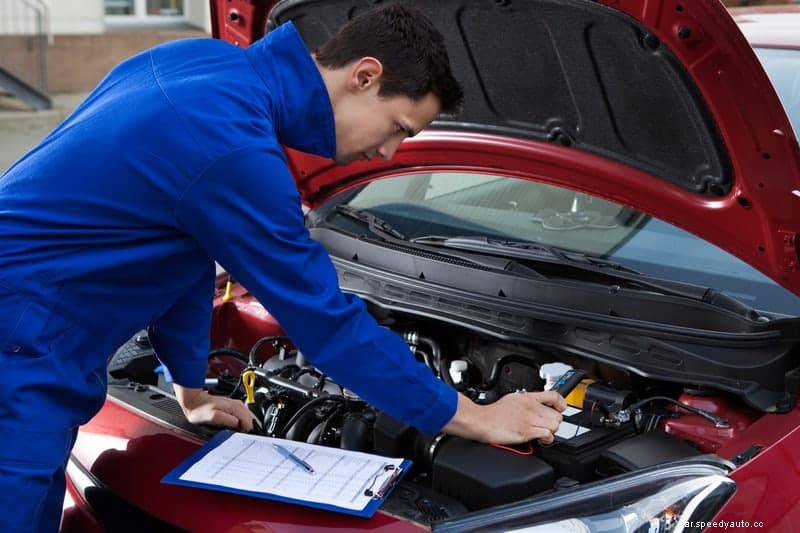
If your car has overheated, you should always take it in for inspection as soon as possible. You do not want to risk driving a dangerous car that’s overheating flammable oils and combustible chemicals. For your safety as well as those around you, get a professional inspection on a recently overheated vehicle.
The cost is difficult to determine based on the large amount of possible reasons we’ve covered. Since there are so many possibilities, this warrants a wide-range of prices.
To offer you some potential examples, you could look at paying:
Please note – Your repairs will have a tendency to be cheaper when addressed more immediately. The longer you leave a problem, the worse it will get, and the costliest the repair will be.
Something that could be a $50 fix may compound into a $500 replacement to be necessary.
Take action before it gets this bad and always heed your vehicle’s warning signs. If you try to DIY do it yourself you may be able to save some money, but you should take the time to make sure you study how to do the procedures correctly.
A few final tips to be aware of in maintaining your car against risks such as overheating are:
These exceptions are why you must get an inspection if you see any warning signs.
Do not assume Coolant or water has fixed your problem or that your vehicle is safe to drive on these remedies alone. Only drive your car following the advice from your trusted mechanic.
